

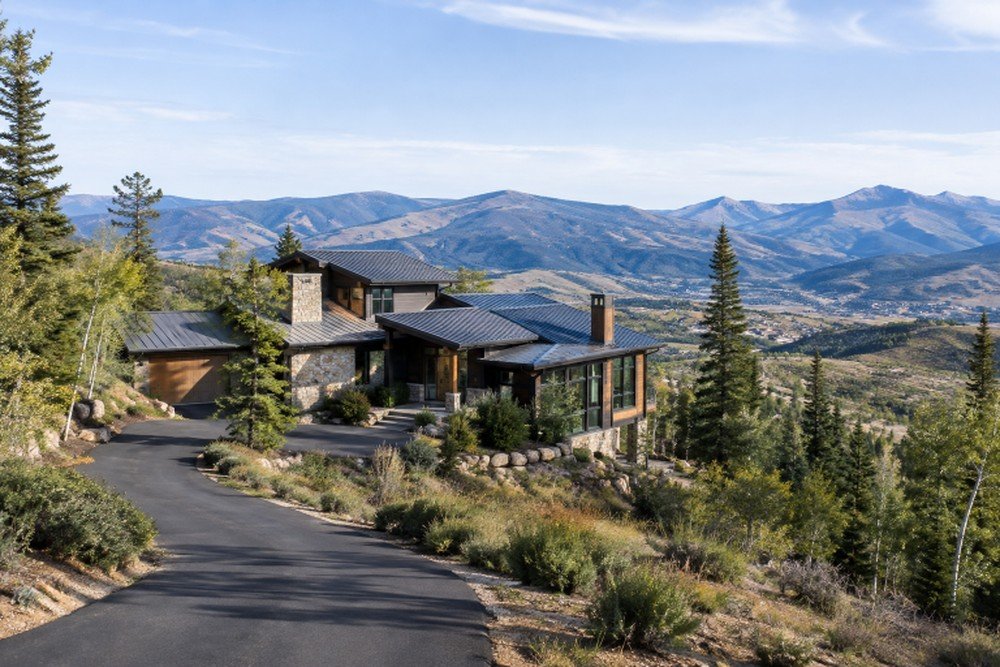
Mountain living around Park City and Hideout offers expansive views, access to recreation, privacy, and a close connection to Utah’s changing seasons. Those same conditions can require more preparation. Sloped ground, dry grasses, conifers, wind, narrow roads, and homes located near undeveloped land can all shape a property’s wildfire exposure.
For buyers and owners evaluating luxury homesites or custom construction near Park City, Park City real estate experts Golden Eagle offer local information on Golden Eagle, a luxury mountain-home community in Hideout, Utah, with homesites, custom-home opportunities, and a lifestyle centered on the surrounding mountains and lakes. That local perspective is useful when weighing a site’s views and building potential alongside access, vegetation, maintenance, and long-term wildfire readiness.
A wildfire-resistant home is not a guarantee that a structure will survive every event. It is a practical approach to reducing ignition opportunities, improving emergency crews’ access, and helping residents make more informed choices before a purchase, a build, or the next dry season.
Start With The Property, Not The Floor Plan
Before choosing finishes or finalizing a design, study the land around the home. A beautiful hillside setting may need more deliberate planning than a level lot with open spacing. Review the density of trees, brush, grasses, and dead vegetation near the proposed building area. Also consider the slope below and above the home, because fire can move quickly uphill through connected vegetation.
- Walk the driveway and note its width, grade, turns, gates, bridges, and turnaround space.
- Confirm whether there is more than one realistic way to leave the neighborhood during an emergency.
- Ask who maintains private roads, particularly after storms or heavy snowfall.
- Review local wildfire history, evacuation information, and community mitigation plans.
- Check whether emergency vehicles can reach the home year-round.
Utah property owners can use the state’s community wildfire preparedness guidance to better understand defensible space, home hardening, and the shared responsibilities that come with living near wildland vegetation.
Build Defensible Space In Layers
Defensible space is the managed area around a structure that reduces available fuel and helps slow the path of fire toward the home. It is not the same as clearing every tree from a mountain property. The goal is to create separation, remove dead material, and avoid continuous vegetation routes that can carry flames or embers toward vulnerable building features.
Closest Zone: Keep The First Area Clean
The area immediately beside the home deserves the most frequent attention. Keep leaves, pine needles, dry plant matter, wood mulch, and stored items away from walls, doors, windows, decks, and vents. Do not stack firewood against the house or beneath a deck. Outdoor furniture, cushions, planters, and combustible decorations should also be considered in a seasonal cleanup plan.
Middle And Outer Zones: Create Separation
Farther from the house, space shrubs and trees so fire has fewer connected paths to travel. Remove dead branches, trim low limbs where appropriate, and maintain grasses before they become tall and dry. On larger lots, thinning and vegetation work should be planned with qualified local professionals who understand the site, drainage, wildlife considerations, and applicable rules.
Choose Materials That Resist Ember Exposure
Wildfire safety is not only about direct flames. Wind can carry burning embers ahead of a fire, where they may land in debris, enter openings, or ignite combustible materials near the structure. The U.S. Fire Administration explains how embers and other fire exposures can threaten structures, which is why a home should be evaluated as a complete system rather than as a collection of attractive exterior finishes.
- Use a Class A roof assembly when appropriate for the design and local requirements.
- Consider noncombustible or ignition-resistant siding and carefully detailed exterior wall assemblies.
- Select tempered or multi-pane glazing where suitable, especially on exposed elevations.
- Use ember-resistant vent protection that allows necessary airflow while reducing entry points.
- Evaluate deck boards, stair treads, railings, fences, and covered patios as part of the full exterior plan.
Materials matter, but installation and maintenance matter too. A fire-resistant wall can still be exposed if debris builds up at its base, a wood fence connects directly to it, or a nearby shrub creates a fuel path to a window or deck.
Give Extra Attention To Roofs, Eaves, And Vents
Roofs, gutters, roof valleys, eaves, skylights, chimneys, and vents should receive routine inspections. Remove needles and leaves from gutters and roof intersections, particularly before dry or windy periods. Enclosed eaves and well-maintained soffits can reduce exposed openings, while properly protected vents help address a common entry point for airborne embers.
After severe weather, heavy debris fall, or nearby fire activity, inspect the roof and exterior again. Look for loose screens, damaged flashing, cracked glazing, blocked gutters, and branches that touch or hang over the roofline.
Plan For Access, Water, Power, And Evacuation
A well-designed mountain home also needs practical emergency infrastructure. Confirm the available water supply, water pressure, hydrant access where applicable, and the ability of responding crews to approach and turn around. Clearly visible address numbers can save time when smoke, snow, darkness, or unfamiliar roads complicate navigation.
- Consider backup power for well pumps, gates, communication equipment, lighting, and security systems.
- Keep vehicles fueled and avoid blocking driveways or turnarounds.
- Maintain an emergency kit with medications, chargers, flashlights, masks, water, clothing, and key documents.
- Create an evacuation and communication plan that accounts for children, pets, guests, and neighbors who may need help.
Review Insurance Before You Commit
Insurance should be part of the due diligence process before making an offer or breaking ground. Request quotes early and ask direct questions about wildfire deductibles, roof requirements, replacement-cost coverage, exclusions, temporary living expenses, and mitigation conditions. Keep permits, invoices, inspection reports, and dated photos of completed vegetation and home-hardening work.
Questions To Ask Before Choosing A Mountain Property
- Has the area experienced wildfire, evacuation notices, or road closures?
- Are there at least two practical evacuation routes from the neighborhood?
- Who maintains the road and clears it after storms?
- Can fire apparatus reach the driveway and turn around safely?
- What local requirements apply to roofing, siding, decks, landscaping, and defensible space?
- Are nearby trees healthy, spaced appropriately, and regularly maintained?
- What will annual insurance coverage cost, and what mitigation is expected?
- Does the HOA or planned community have wildfire-readiness standards?
A Simple Seasonal Wildfire-Readiness Checklist
- Inspect the roof, gutters, vents, windows, siding, decks, and attached fences.
- Clear needles, leaves, dead vegetation, and stored combustibles from around the home.
- Move firewood, fuel containers, and propane supplies away from exterior walls.
- Trim branches that touch the roof, chimney, or other vulnerable areas.
- Confirm address visibility, driveway access, emergency contacts, and evacuation routes.
- Review insurance and update the household inventory.
- Test backup power, chargers, emergency lighting, and communication devices.
Design For The View And The Conditions
A safer mountain home begins well before closing day or construction. By evaluating the site, managing vegetation, selecting resilient materials, protecting openings, planning access, and maintaining insurance and evacuation plans, Park City-area homeowners can make sound decisions for a demanding mountain environment. The strongest home is not only designed to enjoy the view. It is also designed to respect the surrounding conditions.


