

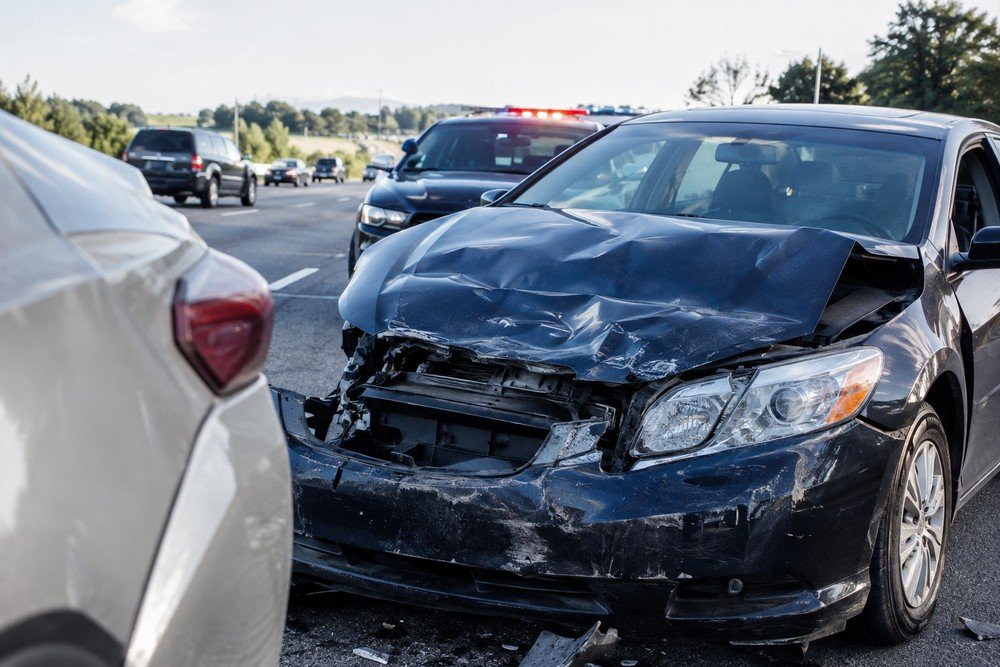
You may still hear the impact in your head. Traffic kept moving, your hands shook on the wheel, and the next few minutes felt blurred and loud at the same time. That is normal. A highway crash can leave you rattled even when you think you are fine, and the choices you make right after it can affect your health, your insurance claim, and any legal case that follows. Speaking with a car accident attorney may help you understand your options.
The first priority is safety. Then comes documentation, medical care, and protecting your rights. If you are unsure what to do after a highway collision, the short answer is this: get to a safe place if you can, call for help, exchange information, document everything, get checked by a doctor, and avoid saying anything that can be used against you later. If injuries, lost wages, or disputed fault enter the picture, a personal injury lawyer can help you deal with the parts that insurance companies tend to make harder.
A highway accident creates problems long after the impact
A crash on a highway is different from a minor fender bender in a parking lot. Cars are moving faster, injuries are often worse, and the scene can become dangerous within seconds. If your vehicle can move, pull to the shoulder or another safe area away from traffic. Turn on your hazard lights. If the car cannot move, stay as safe as possible and call 911.
Many drivers feel pressure to act calm and polite. That instinct can work against you. You do not need to argue with the other driver, guess who caused the crash, or apologize just because you are shaken. A simple “Are you okay?” is enough. Statements made in shock can show up later in an insurance file as if they were clear admissions.
Documentation matters more than most people realize. Photos of the vehicles, skid marks, road signs, debris, weather conditions, and visible injuries can become key evidence. Witness names and phone numbers matter too. If police respond, ask how to get the report. For basic post crash guidance, the District Department of Transportation outlines what to do after a non injury crash, including exchanging information and recording the scene.
Then there is the part people often miss. Pain does not always show up right away. Adrenaline can mask neck injuries, back strain, concussion symptoms, and internal injuries for hours or longer. You might go home thinking you escaped with soreness, then wake up unable to turn your head or focus your eyes. That delay can also give an insurance company room to argue that your injuries were not caused by the collision.
Medical care and careful records protect both your health and your claim
Get medical attention as soon as possible, even if you think the crash was minor. Follow up with urgent care, your primary doctor, or an emergency room based on your symptoms. Tell the provider exactly what hurts and when it started. If you feel dizzy, numb, confused, short of breath, or develop worsening pain, seek care right away.
Keep every record. Save discharge papers, prescriptions, imaging results, repair estimates, rental car receipts, and proof of missed work. Start a simple daily note on your phone that tracks pain levels, sleep problems, mobility limits, and missed activities. That record can show how the crash changed your day to day life in a way a bill alone cannot.
Insurance adjusters often call quickly. They may sound helpful, and sometimes they are gathering details before the full extent of your injuries is known. Give basic facts, but do not agree to a recorded statement or quick settlement before you understand your medical condition. This is often the turning point between a routine claim and a problem that grows.
Highway collision decisions carry very different risks
| Decision | Short Term Effect | Long Term Risk |
|---|---|---|
| Move to a safe area and call 911 | Reduces danger from traffic and creates an official record | Very low risk, strong support for safety and documentation |
| Skip medical evaluation because symptoms seem minor | Saves time that day | Hidden injuries may worsen, insurer may question causation |
| Take photos and gather witness information | Preserves facts before the scene changes | Low risk, often strengthens insurance and legal claims |
| Accept a fast settlement offer | Quick money and apparent closure | May leave you paying later medical costs yourself |
| Speak with a personal injury lawyer when injuries or fault are disputed | Clarifies options and claim value | Lower chance of missing deadlines or undervaluing losses |
Prevention also matters, especially if you are back on the road and feeling nervous. The Texas Department of Transportation shares practical tips to avoid collisions, including speed control, space management, and avoiding distractions. That will not change what happened, but it can help you regain some control the next time you drive.
What to do after a car accident starts with three immediate steps
- Protect the scene and your body. Move out of traffic if possible, turn on hazard lights, call 911, and ask for medical help if anyone may be hurt. Do not force yourself to stand or walk if you feel pain, dizziness, or weakness.
- Build your evidence before it disappears. Take wide and close photos, exchange names, insurance details, plate numbers, and contact information, and get witness names if you can. Ask for the police report number. If you are too injured to do this, ask a passenger or bystander to help.
- Get medical and legal guidance early. Follow through with treatment, notify your insurer, and be careful with recorded statements or settlement offers. If the crash caused injuries, time away from work, large bills, or a dispute over fault, speak with a lawyer who handles highway accident steps and personal injury claims.
The next move after a highway crash should protect your future
You do not need to solve everything at the roadside. You need to stay safe, get care, and avoid mistakes that are hard to undo later. A serious highway collision can affect your body, your income, your car, and your peace of mind long after the scene is cleared. Taking the right steps early gives you a better chance to recover without carrying costs that should not fall on you.
If your injuries are growing, the insurance process is stalling, or fault is being pushed onto you, get help from a personal injury lawyer and protect your claim before the record is set by someone else.


