Key Takeaways
- Native and drought-tolerant plants offer beauty and resilience with minimal water use.
- Permeable hardscaping facilitates water management and prevents runoff.
- Smart technology enables eco-friendly, convenient landscape control.
- Multifunctional outdoor spaces cater to versatile, modern outdoor living.
Homeowners are increasingly rethinking how their outdoor spaces can be both beautiful and environmentally responsible. Modern backyards are evolving into functional ecosystems that strike a balance between aesthetics, comfort, and sustainability. From drought-tolerant plants to smart irrigation systems, these spaces are designed to reduce water waste, support local wildlife, and minimize maintenance. The shift toward greener outdoor design reflects a growing awareness of climate impact and a desire to create landscapes that thrive naturally with less intervention.
As more people adopt eco-conscious principles, landscape professionals are finding innovative ways to integrate sustainability with style. Thoughtful planning, native plant selections, and the use of permeable materials are just a few of the strategies shaping today’s outdoor environments. Companies like Zazueta Landscape emphasize designs that work harmoniously with the local climate and terrain, showing how practical choices can also elevate visual appeal. The result is an outdoor space that feels modern, resilient, and in tune with nature—offering lasting value for both homeowners and the environment.
Native and Drought-Tolerant Plants
Opting for native and drought-tolerant species is one of the top sustainable landscaping trends. These plants are adapted to local conditions and require much less water and maintenance compared to non-native species. For example, in states like California and Arizona, homeowners are gravitating toward succulents, ornamental grasses, and indigenous shrubs that can thrive even through dry spells. Beyond resilience, these plants nurture the local ecosystem and keep yard upkeep manageable.
Permeable Hardscaping Materials
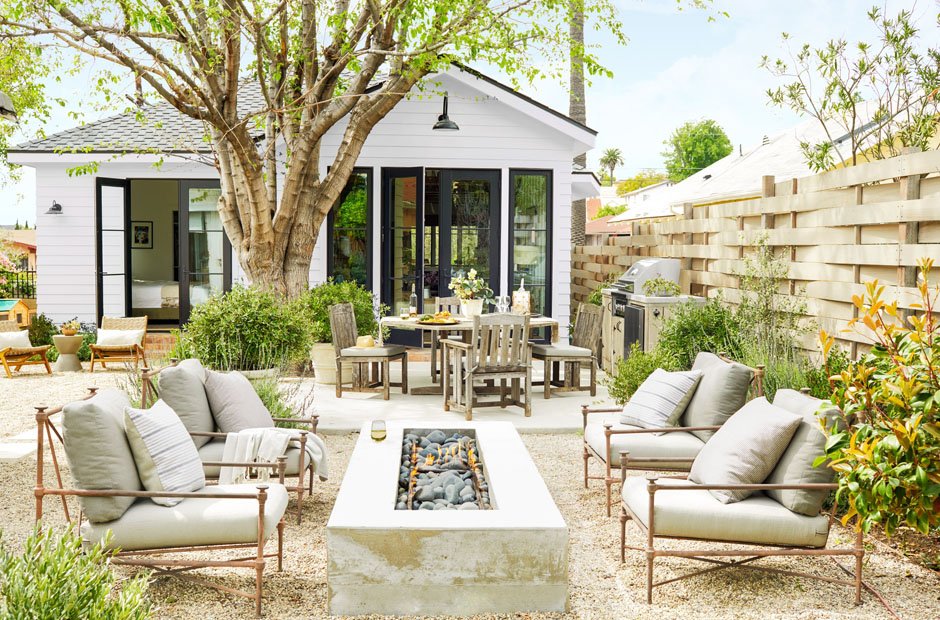
Traditional concrete or asphalt patios are being replaced with permeable materials, such as gravel, pervious pavers, and decomposed granite. These options allow water to pass through, helping to replenish groundwater, minimize runoff, and prevent flooding after storms. Homeowners are discovering that stylish, sustainable patios and walkways can be built with materials that blend seamlessly into the landscape and responsibly manage rainwater.
Smart Technology Integration
The rise of “smart yards” is transforming how people interact with and maintain their outdoor environments. Automated irrigation systems that measure soil moisture and detect rainfall can optimize water usage. Solar-powered lights, app-controlled fountains, and integrated speakers are just some of the ways technology is making landscapes more enjoyable and resource-efficient. These advanced systems give homeowners greater control and peace of mind, minimizing waste and simplifying maintenance.
Multifunctional Outdoor Spaces
Backyards are no longer single-purpose spaces. Today’s homeowners are reimagining their outdoor areas to serve multiple needs, such as relaxing, working, cooking, or entertaining. Features like fire pits, outdoor dining rooms, kitchenettes, and even home office nooks under pergolas are gaining popularity. This multifunctional focus not only maximizes space but also increases the value and enjoyment of the property year-round.
Use of Eco-Friendly Materials
Sustainable landscapes aren’t just about plants—they also involve careful selection of materials. Increasingly, homeowners are opting for recycled plastic, sustainably harvested or reclaimed wood, and composite decking for their patios, fences, and decks. These choices reduce the project’s carbon footprint and ensure long-term durability. By prioritizing eco-friendly materials, you create a cohesive look that reflects both modern tastes and environmental values.
Pollinator-Friendly Gardens
One notable trend is the creation of gardens that support pollinators, including bees, butterflies, and hummingbirds. Planting a variety of nectar-rich native flowers and avoiding pesticides strengthens local biodiversity and contributes to healthier ecosystems. Gardeners are embracing the use of wildflower mixes, flowering shrubs, and herb gardens that offer food and shelter for these crucial creatures.
Incorporating Water Features
Backyard water features are more than decorative—they can promote relaxation and support wildlife. Naturalistic ponds encourage frogs, birds, and beneficial insects, while recirculating fountains or small waterfalls provide soothing sounds without excessive water waste. Placing water features strategically can transform a garden into a peaceful, wildlife-friendly retreat.
Minimalist and Modern Aesthetics
Minimalist landscape design emphasizes clean lines, simple plantings, and open spaces, creating tranquil environments that require minimal upkeep. The aesthetic, inspired by contemporary architecture and Scandinavian simplicity, values quality and function over excess. By adopting sustainable practices such as mindful plant selections and eco-friendly materials, homeowners can modernize their backyards while positively impacting the environment.
Conclusion
Embracing sustainable landscape trends allows homeowners to create backyards that are not only visually appealing but also environmentally responsible. By combining native plants, permeable surfaces, smart technology, and multifunctional design, outdoor spaces can strike a balance between beauty, functionality, and ecological mindfulness. Thoughtful material choices and pollinator-friendly features further enhance the harmony between nature and modern living. Ultimately, these approaches help cultivate resilient, low-maintenance landscapes that provide lasting enjoyment while supporting a healthier environment.