Windows are a key part of a home’s comfort, energy efficiency, and overall appearance. Over time, normal wear and tear can affect their performance, sometimes leading to drafts, water leaks, or difficulty opening and closing. Recognizing these early signs can help homeowners address issues before they become more serious, protecting both the home’s interior and its long-term value. Paying attention to changes in your windows’ functionality or appearance can save time, money, and frustration in the long run.
In some cases, consulting with professionals who specialize in window replacement services can provide clarity on whether repair is sufficient or a complete replacement is needed. Experienced contractors can assess the condition of frames, glass, and seals, helping homeowners make informed decisions. Even without immediate replacement, understanding available solutions ensures that homes remain safe, energy-efficient, and comfortable while preventing minor problems from escalating into major repairs.
Drafts and Air Leaks
One of the most apparent and uncomfortable signs of window failure is feeling a draft or breeze near closed windows. Drafts often indicate that the window seals have deteriorated or the frames have warped. These issues allow unconditioned air to seep inside, undermining your efforts to keep your home comfortable throughout the year. Not only is this uncomfortable, but it also means your heating and cooling systems must work harder to maintain the desired temperatures, leading to increased wear and higher energy costs.
Difficulty Operating Windows
If you find yourself struggling to open, close, or lock your windows, it’s likely a sign of underlying mechanical issues such as warping, balance problems, or rusted track components. Windows that are difficult to operate can pose significant safety concerns—especially in emergencies where quick ventilation or escape is necessary. Consistent jamming or sticking also makes regular cleaning and maintenance harder, further contributing to their decline.
Visible Damage and Decay
Physical signs of damage, such as chipping paint, cracked frames, water stains, or soft, rotting wood, strongly suggest that your windows are no longer providing adequate protection from the elements. Structures exposed to rain and sun, in particular, are susceptible to decay, especially when wooden frames are involved. Left unchecked, damaged windows can become a source of water leaks and even structural issues, compromising your home’s integrity.
Increased Energy Bills
Unexplained rises in your heating and cooling bills may point directly to your windows. As noted by the U.S. Department of Energy, approximately 25%–30% of residential heating and cooling energy use is attributed to heat gain and loss through windows. When your windows are no longer energy-efficient, you pay the price on your utility statement. Upgrading to modern, double- or triple-pane windows with advanced coatings can significantly reduce energy expenses in both summer and winter.
Excessive Noise Infiltration
Older or worn-out windows can also allow external noise to penetrate your home, making it challenging to relax indoors. If you notice increased traffic, neighborhood, or environmental sounds, it’s a sign that your windows are losing their sound-dampening abilities. Newer window technologies are often designed with sound insulation in mind, improving the tranquility of your living spaces.
Condensation Between Glass Panes
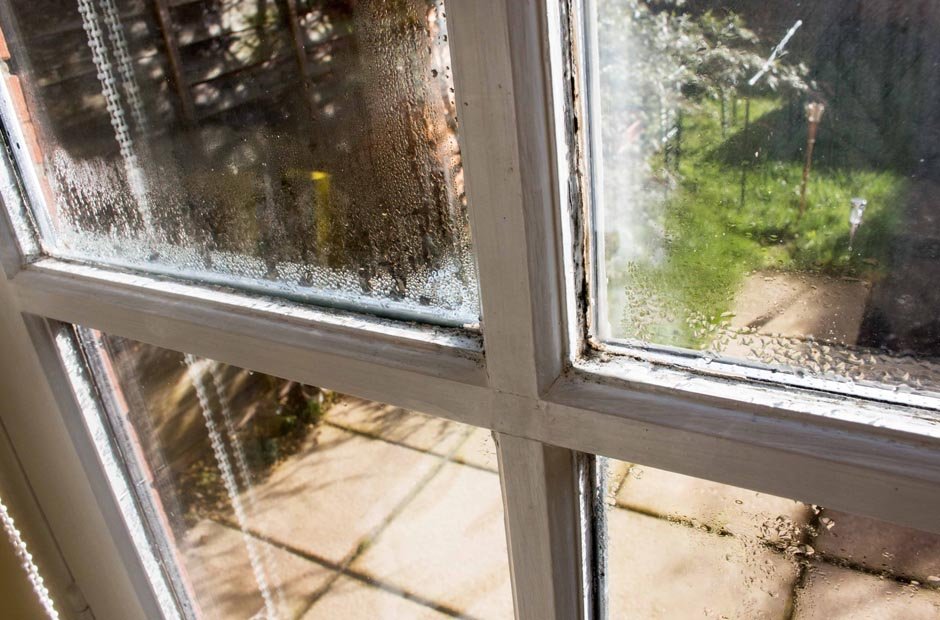
One significant indicator of seal failure is the presence of condensation or fogging trapped between double- or triple-pane glass. This cloudy appearance indicates that the insulating gas has escaped and moisture has entered, leaving you with a window that no longer provides the intended thermal benefits. Such windows lose their efficiency and should be replaced to restore proper function and clarity.
Fading Furniture and Flooring
Intense sunlight hitting your furniture, artwork, or flooring through untreated windows can result in noticeable fading over time. Older windows often lack modern UV-protective features found in today’s replacement options. If you notice persistent discoloration or fading, consider switching to windows with improved UV-blocking properties to protect your home’s interior better.
Age of Windows
Over time, windows naturally lose their efficiency and functionality. The age of windows is a key factor in determining whether replacement is necessary. Most modern windows last between 15 and 25 years, depending on the material and the level of maintenance. Older windows often develop issues such as warped frames, leaking seals, and inadequate insulation, which can result in higher energy bills and discomfort within the home. If your windows are approaching or have exceeded their lifespan, it’s wise to consider replacement. Upgrading to newer, energy-efficient windows not only improves comfort and reduces costs but also enhances the overall appearance and value of your home.
Conclusion
Paying attention to changes in your windows’ performance and appearance is essential for maintaining a comfortable, energy-efficient, and secure home. From drafts and mechanical issues to condensation and fading interiors, these warning signs indicate that attention is needed. Early recognition allows homeowners to address problems before they escalate, protecting both the home’s value and daily comfort. Regularly assessing your windows ensures a well-maintained living space that withstands the demands of time and weather.