Have you ever walked into a beautifully designed room and immediately noticed the danger? A glass table with sharp corners. Stairs without a railing. A sunken tub that dares you to slip. For years, luxury meant showy surfaces and statement architecture. It meant marble that stains, and furniture no one actually wants to sit on. Style came first. Safety? That was something you figured out later. But now, priorities are shifting.
Across Virginia Beach, and in cities facing rising flood risks, harsh weather, and aging populations, the definition of luxury is quietly evolving. Instead of asking, “Will it impress the neighbors?” people are starting to ask, “Will this still work when things go wrong?” Climate change, unpredictable markets, and global uncertainty have made homeowners reconsider what really matters in a living space.
In this blog, we will share how risk-aware design is redefining luxury, driving long-term value, and helping homeowners choose safety as a key feature—not a fallback.
Luxury That Doesn’t Fall Apart When Life Gets Messy
It turns out that elegance isn’t just about looks. True luxury means peace of mind. A space that feels calm, even when the world outside isn’t. This new idea of luxury is all about preparation. And it’s making its way into more homes through upgrades that are functional and beautiful.
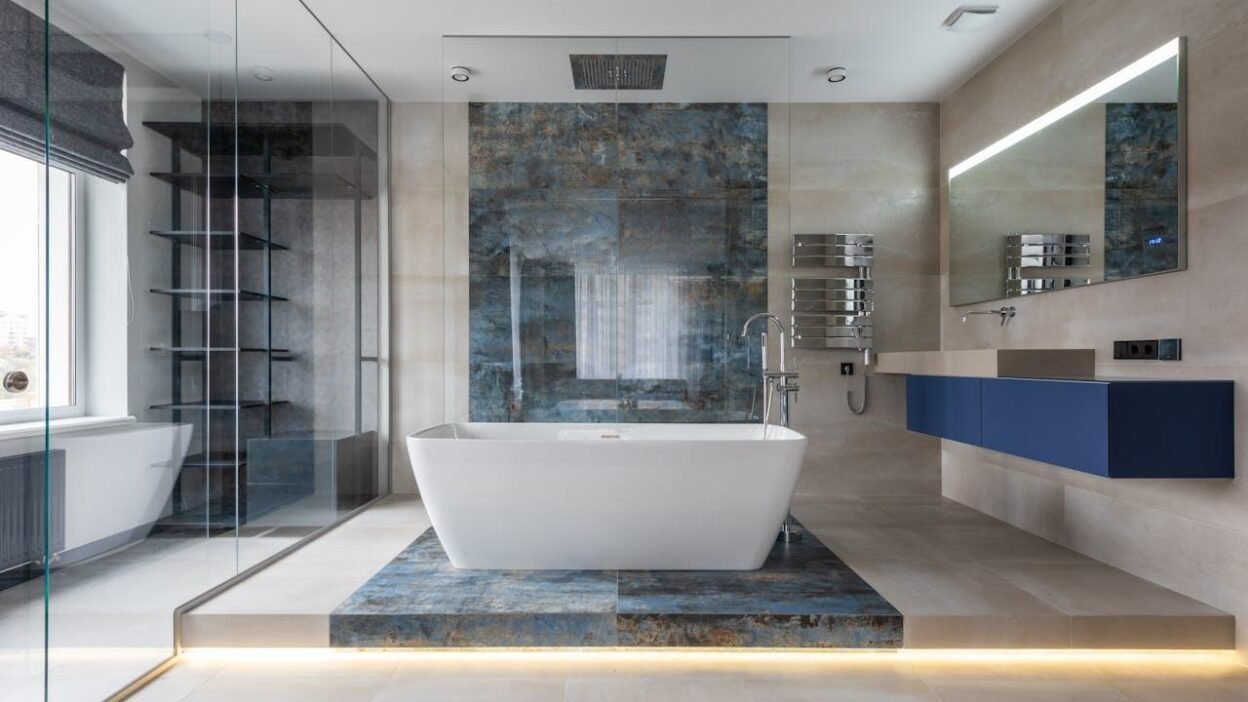
Take bathroom design. A sleek layout used to mean minimal hardware, open concepts, and high-gloss finishes. Now, homeowners are rethinking that. A walk-in shower with no barrier isn’t just trendy. It’s safer. Grab bars no longer scream “hospital.” They come in brushed gold, matte black, or even marble tones. Heated floors do more than keep your feet warm. They help dry surfaces faster and reduce slipping.
Hiring a trusted Virginia Beach bathroom remodeling company does more than improve how things look. It helps combine visual upgrades with smart, built-in safety. Whether the power goes out, someone gets hurt, or aging parents move in, these homes keep working when it counts.
Good design used to assume everything would go right. Risk-aware design plans for when it doesn’t.
Wellness Has a Seat at the Design Table
Health and wellness have always influenced how people think about space, but they’re no longer limited to air purifiers or filtered water. Now they drive major renovation decisions. Homeowners are investing in non-slip tile, voice-activated lighting, low-threshold entries, and high-visibility layouts. Not because they expect disaster, but because they want their homes to respond well under pressure.
This shift is especially visible in post-pandemic homes. After years of thinking about air quality, remote care, and quarantine logistics, more people understand how much design impacts daily health. Homes are being upgraded with quiet ventilation systems. Natural lighting is being prioritized not just for looks, but for mood regulation.
Luxury today doesn’t mean you need to tiptoe. It means you can relax, knowing the space around you works with you, not against you. The value isn’t just in the finish. It’s in the way those finishes make life easier, safer, and more resilient.
Design That Stays Standing When Budgets Get Shaky
High-end features used to be about showmanship. Big chandeliers. Imported stone. Today, those choices are being swapped for things that last, things that matter, and things that save money in the long run.
In areas hit by frequent storms or rising insurance rates, more people are putting money into impact-resistant windows, sealed foundations, and waterproof materials that don’t get ruined after one flood. It might not have the sparkle of a new kitchen island, but it pays off when repairs are needed.
Buyers and homeowners alike are realizing that risky design is expensive. Every overlooked hazard becomes a future invoice. Every flashy but fragile detail becomes a point of stress. That’s why risk-aware choices are now seen as status signals. Not because they’re flashy, but because they’re smart.
When Resale Becomes a Test of Preparedness
If you’ve ever walked through an open house and noticed old outlets near the bathtub or no grab bars in a second-floor bathroom, you understand the feeling. A home that looks great in photos but feels like a liability in real life is no longer competitive.
Buyers—especially younger families and older adults—are putting safety at the top of their checklist. That doesn’t mean homes need to look like care facilities. It means every update should serve more than one purpose. Beautiful lighting that also boosts visibility. Flooring that looks modern but helps prevent falls.
Real estate agents are even starting to use “wellness-ready” or “safety-forward” as selling points. It’s not just about location anymore. It’s about how well your home handles surprises. That’s the new test of luxury.
Tech Isn’t Always a Shortcut, But It Can Help
Smart homes are often sold as the future of luxury, but the real question is whether they work when things get weird. Voice assistants, motion sensors, and remote-access tools have a place—but they need to be part of a broader design strategy.
Think of it like this: a smart lock doesn’t help much during a power outage unless it has backup access. A flood detector isn’t helpful if it triggers an alert but can’t connect to anything. Good tech should be layered on top of solid, physical protections—not used in place of them.
The smartest homes use automation to support safe design, not to replace it. Technology is a tool. Not the foundation.
Where Comfort and Confidence Finally Meet
There’s something powerful about walking into a space and knowing it was built to keep you safe. That it will support you whether you’re juggling toddlers, aging joints, or just the daily chaos of modern life.
Luxury used to mean things that felt too delicate to touch. Now, it means spaces that make you feel grounded. That stay solid in a storm. That help you move through life without friction.
Homeowners in 2025 are redefining luxury not as the most expensive thing on the market, but as the upgrade that protects what matters. The house that makes aging easier. The bath that prevents injury. The walls that hold up when the weather turns wild.
They’re not settling. They’re choosing smarter. Choosing safety. Choosing designs that last. And in doing so, they’re turning risk-aware design into the new standard of living well.