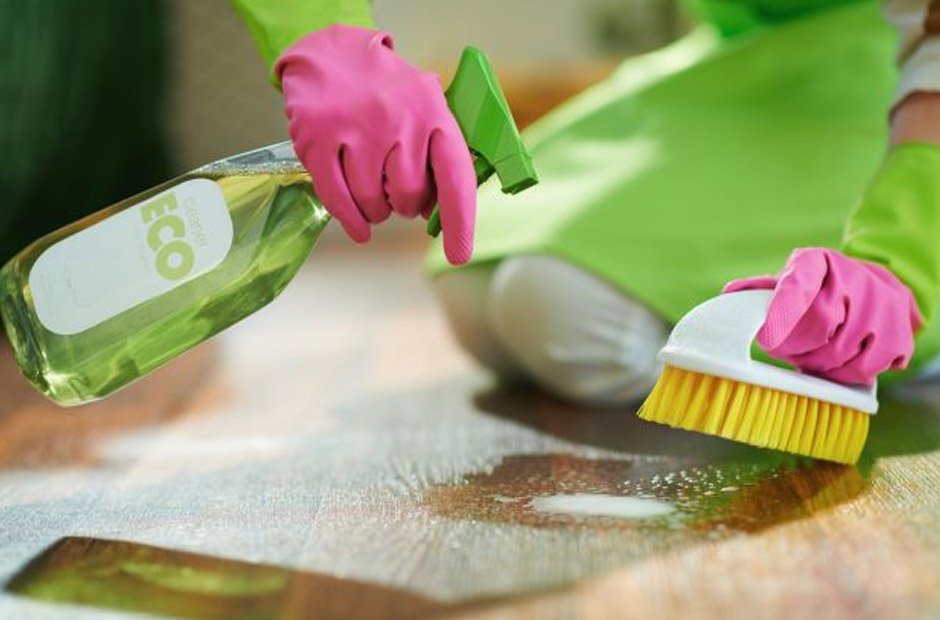
Commercial businesses use sustainable cleaning practices to support healthier workplaces and reduce unnecessary environmental strain. A professional cleaning company can help you implement eco-friendly practices in your school, warehouse, or commercial building. This helps support a clean environment for employees and visitors while keeping daily operations running smoothly. Here is how eco-friendly commercial cleaning practices can support sustainability and efficiency in businesses
Using Green Cleaning Products
Using environmentally certified cleaning chemicals in your commercial facility helps reduce harmful residues on surfaces. You could reduce chemical residues in offices, schools, and warehouses by choosing commercial cleaning services that adhere to sustainable product standards. Your cleaning team may also handle high-touch areas in your facility using green products and remove stains.
Eco-friendly cleaning solutions help maintain common areas, hallways, and shared facilities in apartment complexes without harsh chemical residues. For offices, you could use the same green products to maintain workstations and conference rooms where employees interact throughout the day. These solutions help remove buildup on surfaces without leaving behind strong chemical odors.
Adopting Water-Efficient Techniques
Water use in commercial cleaning is often managed through careful planning of cleaning tasks. Cleaning routines can be scheduled to align with building traffic patterns, and microfiber tools are often used to capture dust while reducing water use. High-traffic areas can be cleaned effectively without repeated applications of water, which can help maintain flooring and surface integrity over time.
In offices, schools, and larger facilities, controlled-dispensing equipment can be used for tasks like mopping. Auto-scrubbers with adjustable settings are sometimes employed on wide floor surfaces, allowing cleaners to manage water flow more precisely. These approaches allow water to be applied in a more measured way during routine cleaning activities. Helping facilities maintain consistent hygiene while using fewer resources overall.
Responsible Waste Management
Waste management in commercial facilities often involves separating materials for recycling and proper disposal. Paper, plastics, metals, and other recyclables can be sorted at the source to support more organized handling and reduce contamination. Clear labeling and dedicated bins are commonly used to help guide collection and maintain separation of different waste streams, making participation easier for building occupants.
Organic materials from cafeterias or break rooms can be collected for composting or other processing. Periodic reviews of waste streams may be conducted to track sorting practices, identify areas for improvement, and monitor overall waste-handling efficiency. These approaches provide a structured way to consistently and methodically manage different types of waste within a facility.
Employing Energy-Efficient Equipment
Energy-efficient cleaning equipment is often used in commercial facilities to help manage electricity use during routine tasks. Modern vacuums, floor scrubbers, and other tools can operate at lower power while maintaining effective cleaning performance. Adjustable settings and properly maintained machines can help regulate energy consumption. These approaches provide a way to perform cleaning tasks while using resources more efficiently and consistently across different areas of a facility.
Partnering with Commercial Cleaning Companies
Professional commercial cleaning often involves trained staff who follow established procedures and schedules. Cleaning tasks are completed according to set standards to maintain consistent cleanliness across offices, warehouses, and shared spaces. Structured routines and systematic approaches help support that different areas of a facility are addressed efficiently and methodically. Contact a professional cleaning company to maintain a clean and well-managed commercial facility.