Key Takeaways
- Utilize native and drought-tolerant plants to conserve water and support local ecosystems, making maintenance easier and more efficient.
- Implement smart irrigation systems to optimize water usage and reduce unnecessary waste in the landscape.
- Incorporate permeable paving materials to reduce runoff and promote groundwater recharge, lessening the burden on urban infrastructure.
- Design pollinator-friendly gardens to support biodiversity, ensuring vital pollination for both ornamental and edible plants.
- Utilize recycled and locally sourced materials for sustainable hardscaping, thereby minimizing environmental impact from construction.
Modern homeowners are increasingly seeking ways to create beautiful outdoor environments that minimize environmental harm and prioritize sustainability. Incorporating sustainable landscaping techniques not only helps conserve precious natural resources such as water and energy but also supports local ecosystems that are under constant pressure from urban development. Taking these steps adds value and charm to your property, making it stand out in your community as a model for responsible and conscious living. By selecting approaches such as planting native species or utilizing arbor grapevine, you create a landscape that is both resilient and attractive. These choices make your yard easy to maintain and thrive with less water and fewer chemicals, aligning with responsible nature stewardship and enhancing its beauty. Sustainable landscaping combines curb appeal with conservation, often enhancing both through lush, lively environments. Homeowners can make a positive impact by using water-saving methods, supporting biodiversity, and choosing responsible materials. Eco-friendly practices promote creative layouts, multifunctional habitats, and transforming yards into lively outdoor retreats. An eco-conscious yard welcomes both people and wildlife, offering year-round interest while addressing environmental concerns.
Embrace Native and Drought-Tolerant Plants
Native plant species are uniquely adapted to the local climate and soil conditions, making them naturally more resilient and requiring fewer resources to thrive. By choosing drought-tolerant plants and employing water-wise methods such as xeriscaping, you can dramatically reduce landscape water consumption and provide essential habitats for native wildlife, including birds, insects, and small mammals. These plantings foster ecosystem health and resilience in the face of changing weather patterns and frequent droughts. Moreover, native plants typically resist local pests and diseases more effectively than exotic species, which reduces the need for chemical interventions and ongoing maintenance, making your outdoor space more sustainable and self-sufficient.
Implement Smart Irrigation Systems
Modern irrigation solutions, such as weather-based controllers and soil moisture sensors, adjust watering schedules to meet the actual needs of your garden, taking into account rainfall and soil conditions. These smart devices not only prevent water waste and over-irrigation but also deliver efficiency and cost savings by tailoring water application to different zones within your yard. According to the EPA’s WaterSense program, homeowners can save thousands of gallons of water annually and see a substantial reduction in their monthly utility bills by upgrading to smart irrigation technology. Drip irrigation lines, rainwater harvesting barrels, and efficient sprinklers can be further incorporated to enhance the benefits, ensuring your plants receive consistent moisture and prolong their health and vibrancy throughout the growing season.
Incorporate Permeable Paving Materials
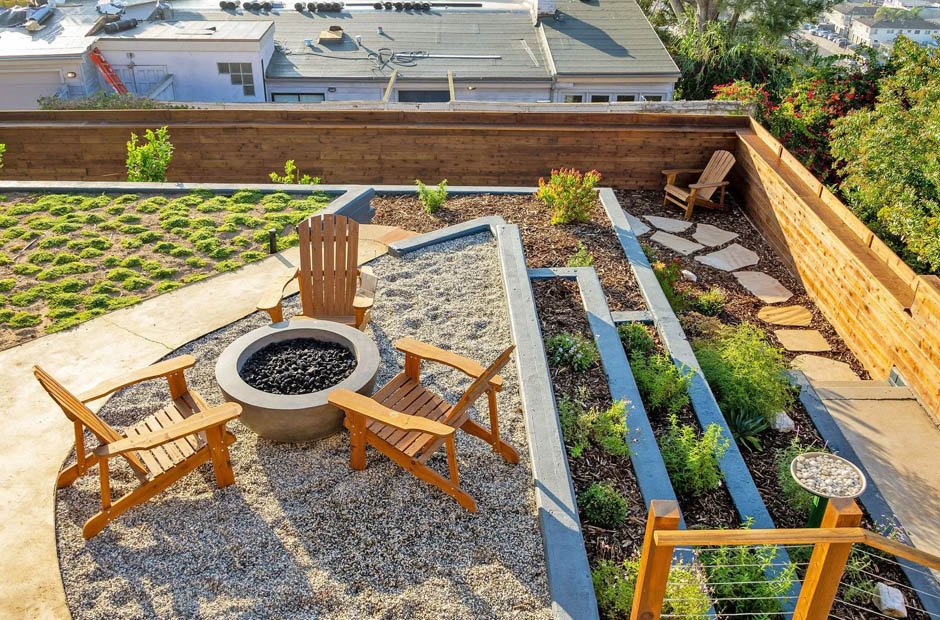
Conventional materials like concrete and asphalt increase stormwater runoff, causing erosion and stressing drainage. Permeable options such as pavers, gravel, or porous concrete allow rain to infiltrate, replenishing groundwater and reducing runoff. These materials are effective for patios, driveways, and walkways, offering durability and environmental benefits. They come in various styles and colors, helping homeowners balance aesthetics with sustainability. Using permeable options shows eco-friendly commitment and aids in flood management in heavy rain areas, protecting landscapes.
Design Pollinator-Friendly Gardens
Pollinators—such as bees, butterflies, and hummingbirds—play a pivotal role in the health of both ornamental and edible landscapes, facilitating the fertilization necessary for fruit and seed production. By planting a diverse array of nectar-rich flowers, such as milkweed, lavender, coneflowers, and sunflowers, you can encourage regular visits from these vital creatures, thereby benefiting both your landscape and the wider environment. A pollinator-friendly garden not only adds dynamic bursts of color and movement to your outdoor space but also supports critical ecosystem services, such as healthy crop yields and the propagation of native plants. Simple additions, such as bee hotels, shallow water dishes, and avoiding chemical pesticides, make your garden a sanctuary for pollinators year-round.
Use Recycled and Locally Sourced Materials
Opting for repurposed or locally sourced materials when constructing pathways, decking, retaining walls, or patios is a proven strategy for reducing your landscape’s carbon footprint. Materials such as reclaimed wood, tumbled recycled glass, and quarried stone from regional sources not only help lower transportation emissions but also lend a distinctive character and authenticity to your outdoor design. Using upcycled elements reduces landfill waste and supports local artisans and businesses. Creative hardscape projects using salvaged bricks, old pavers, or other durable building materials infuse your yard with a sense of history and environmental stewardship, turning practical upgrades into conversation pieces that reflect your commitment to sustainability.
Create Edible Landscapes
Integrating food-producing plants—like fruit trees, berry bushes, culinary herbs, and seasonal vegetables—into your ornamental landscape adds both functional beauty and self-sufficiency. By blending edible and decorative species, you maximize every square foot of your property while increasing your food security and reducing your dependence on distant food sources. Edible landscaping nurtures healthier eating habits by providing fresh, homegrown produce steps from your kitchen door, and instills a deeper appreciation for seasonal gardening cycles. The inclusion of flowering plants, such as chives and nasturtiums, not only supports pollinators but also complements the visual appeal and fragrance of your outdoor spaces, making your garden a rich, multi-sensory environment.
Install Energy-Efficient Outdoor Lighting
Outdoor lighting has the dual benefit of highlighting attractive landscape features and providing crucial nighttime safety. To minimize energy consumption and the environmental impact, select solar-powered fixtures or high-efficiency LED lighting for walkways, patios, and accent areas. These modern lighting solutions use a fraction of the electricity of traditional bulbs. They can be placed strategically to create ambiance, improve usability, and reduce utility costs over the long term. Motion-sensor lights, low-voltage path lights, and dusk-to-dawn timers further enhance energy savings without sacrificing visibility or security in the yard.
Practice Sustainable Lawn Care
Traditional lawns require frequent watering and the use of chemicals to maintain a lush appearance. Sustainable practices, such as mowing less often, using electric mowers, composting, applying organic amendments, and replacing turf with native plants or rain gardens, help keep yards healthy without harming waterways. These methods reduce maintenance, lower fossil fuel use, and create safer spaces for families, pets, and wildlife. Eco-friendly landscaping boosts the practicality and beauty of outdoor spaces, with each sustainable choice contributing to environmental responsibility and long-term enjoyment. Together, these techniques promote stewardship and beauty, benefiting future generations and enriching daily life.
Final Thoughts
Adopting sustainable landscaping transforms outdoor spaces into resilient, efficient, and attractive environments. Using native and drought-tolerant plants, smart irrigation, permeable paving, and pollinator-friendly gardens helps conserve water, support ecosystems, and lower maintenance. Incorporating recycled materials, edible landscapes, energy-efficient lighting, and eco-friendly lawn care boosts environmental and personal benefits. These strategies create a balanced outdoor space that promotes biodiversity, reduces costs, and ensures sustainability. Thoughtful planning enables homeowners to enjoy beautiful, practical landscapes while helping the environment and supporting future generations.