Key Takeaways
- Care-driving blends professional driving skills with compassionate caregiving, requiring more than just a valid license and a reliable vehicle.
- Strong qualifications—including a clean driving record, successful background checks, and first aid/CPR training—are essential to ensure passenger safety and trust.
- Empathy, patience, and clear communication help drivers effectively support children, seniors, and individuals with special needs.
- Consistent safety practices, defensive driving, and emergency preparedness are critical to minimizing risks on every trip.
- Trust is built through professionalism, punctuality, transparency, and respectful interactions with both passengers and families.
- Continuous education and feedback-driven improvement help care drivers stay current, confident, and capable in an evolving field.
Introduction
Offering care-driving services is a unique responsibility that combines the duties of professional driving with compassionate caregiving. Especially in cities with a high demand for flexible, people-centered roles—such as gig work Denver—drivers have the opportunity to make a real impact on the lives of children, seniors, and others with specific needs. However, the journey to becoming a truly safe and trusted care driver demands more than just a license and a reliable vehicle. It involves a careful blend of training, empathy, attention to detail, and continuous self-improvement to provide exceptional and secure care to every passenger.
Whether you’re considering a new career direction, supplementing your income, or drawn to supporting your community, the path to becoming a care-driver means embracing a multifaceted role. Safety, adaptability, and professionalism are only the starting points. Mastery in this field stems from a profound understanding of passenger needs, adherence to stringent safety practices, and a genuine commitment to fostering trust at every turn.
Essential Qualifications and Training
To be recognized as a safe and reliable care driver, you must first meet the core prerequisites. Holding a valid driver’s license, ideally free from significant infractions, is essential. Prospective care-drivers should expect thorough background checks—with particular attention to both criminal records and ongoing driving history reviews—to ensure a trustworthy environment for vulnerable riders.
Training extends far beyond the basics: comprehensive first aid and CPR certification can be lifesaving in the event of medical emergencies. Specialist care-driver programs often focus on defensive driving, situational awareness, and understanding passenger characteristics, equipping drivers to remain calm under pressure and adapt their approach to meet each rider’s individual needs.
The National Safety Council offers additional guidance on driver safety education and emergency preparedness, laying a strong foundation for anyone interested in this career path.
Understanding Passenger Needs
Empathy and Patience
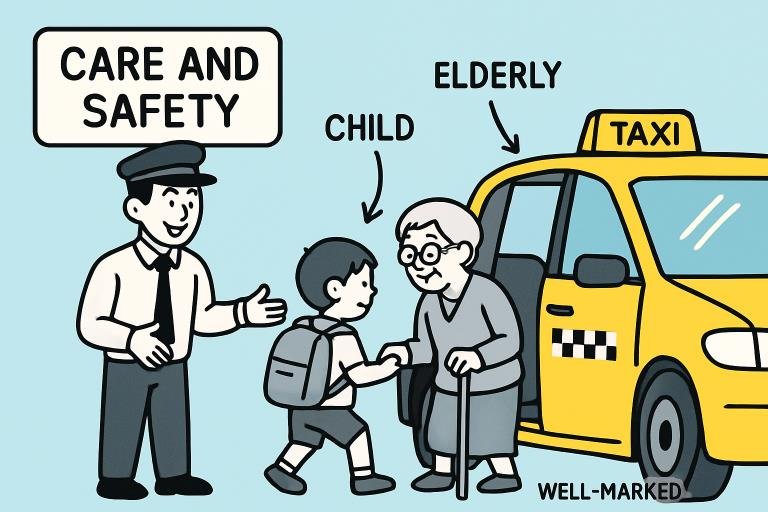
Care-drivers interact with a wide array of passengers—children heading to school, seniors going to appointments, and individuals with physical or cognitive conditions. Empathy is the key to understanding the often-unspoken needs and concerns of each rider. This involves paying attention to verbal and non-verbal cues and exercising patience in situations where a little extra time or reassurance is needed.
Communication Skills and Adaptability
Superior care drivers are defined by their ability to communicate effectively and compassionately, making instructions, expectations, and reassurances clear and appropriate for each individual. Flexibility, whether responding to last-minute changes or adjusting plans to suit unpredictable circumstances, builds confidence and satisfaction for passengers and their families.
Safety Protocols and Best Practices
Nothing is more important than strict adherence to detailed safety protocols. Vehicle maintenance is an ongoing priority; regular inspections and prompt repairs ensure reliability and reduce the risk of breakdowns during rides. Fully understanding and obeying all traffic laws, combined with practicing defensive driving techniques, dramatically lowers the risk of accidents and injuries.
Emergency preparedness is another fundamental element. Caregivers should know the location of local medical facilities, have an action plan for accidents or medical emergencies, and keep emergency contact information handy. Ongoing training in handling challenging scenarios equips care drivers with the confidence to act swiftly and effectively when it matters most.
Building Trust with Clients
Establishing and maintaining trust is the backbone of any care-driving relationship. Clients must feel secure in the driver’s reliability—punctuality and consistency in keeping commitments are non-negotiable traits. Transparency about routes, schedules, costs, and procedures further demonstrates your dedication to honesty and high standards.
Professionalism, demonstrated through a respectful attitude and polished communication, fosters long-lasting relationships and encourages word-of-mouth referrals. Demonstrating genuine care and emphasizing clear boundaries also reassures both clients and their families that their loved ones are in safe hands.
Continuous Education and Improvement
Care-driving is an evolving field. Staying sharp means proactively seeking new learning opportunities, such as attending workshops on safety, customer service, and empathetic care. It also involves remaining informed about changes to traffic laws and best practices, as well as regularly asking clients for feedback—then using it to refine your approach.
Ongoing certification and advanced education not only help with personal growth and improved service but also open doors to new opportunities as the industry develops updated standards.
Final Thoughts
The path to becoming a safe and trusted care-driver goes well beyond meeting legal requirements. It’s a vocation that rewards those who prioritize safety, empathy, professionalism, and a commitment to lifelong learning. By maintaining high standards, recognizing the unique circumstances of each passenger, rigorously following established safety practices, and continually seeking improvement, care drivers provide a valuable service that transforms lives while safeguarding well-being at every step.