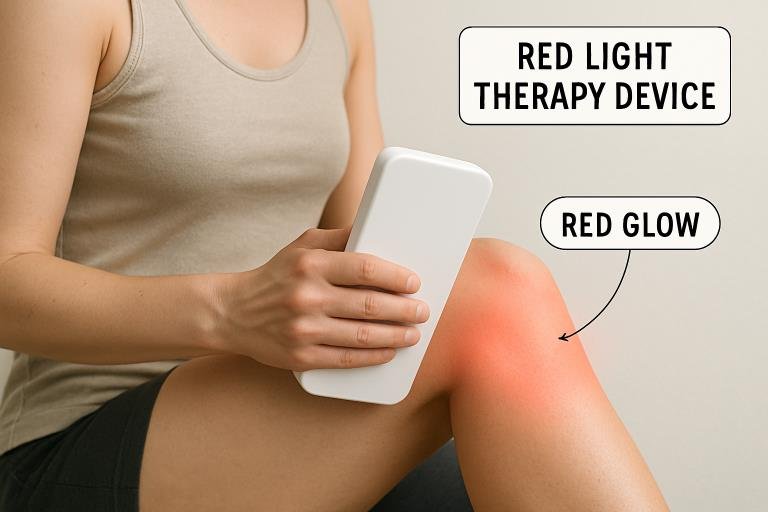
Struggling with chronic discomfort or sore muscles? You may have heard about red light therapy for pain relief, a popular treatment gaining momentum in both clinical and home settings. This non-invasive approach uses low-level wavelengths of red or near-infrared light to stimulate healing and reduce pain, offering hope to those seeking drug-free alternatives for managing various conditions. Unlike treatments that rely heavily on medications or surgical interventions, red light therapy (RLT) works naturally with your body’s cellular processes. This aligns well with individuals who are wary of medication side effects or seeking a more holistic approach to pain management. As the science supporting RLT continues to grow, people living with persistent pain or those recovering from injuries are discovering its potential to offer significant, meaningful relief without the risks of dependency or invasive procedures. Red light therapy (RLT) is a popular and accessible treatment for various health issues, including joint pain, skin issues, and workout recovery. It offers long-term benefits and reduced reliance on medication. With affordable devices, RLT can improve sleep quality, reduce reliance on medication, and enhance daily activities.
How Red Light Therapy Works
Red light therapy, also known as photobiomodulation, utilizes exposure to specific red or near-infrared wavelengths, typically ranging from 600 to 1,000 nanometers. When this light penetrates the skin, it is absorbed by cellular mitochondria—structures responsible for generating energy in the form of adenosine triphosphate (ATP). This boost in ATP helps revitalize struggling cells, facilitating repair and reducing inflammation. As a result, the therapy supports cellular health and enhances the body’s inherent ability to heal itself. Research published by trusted sources, such as the Harvard Health Blog, highlights how RLT can modulate cellular functions, making it an intriguing option for tissue healing and pain reduction. Studies show that these wavelengths help cells become more resilient to stress, minimize damage from free radicals, and improve overall systemic recovery. The therapy’s influence on cellular health can lead to improvements in blood flow, reduction in oxidative stress, and stimulation of collagen—the building block of healthy skin and connective tissue. By supporting these physiological processes, RLT can not only reduce inflammation but also increase circulation and oxygenation in the treated tissue, which is vital for any healing or repair process.
Benefits of Red Light Therapy
- Pain Reduction:Multiple studies have shown RLT helps manage and reduce chronic pain, particularly by decreasing inflammation and promoting tissue repair. Commonly, patients with arthritis, joint pain, or back issues experience significant relief after consistent sessions. The therapy can also minimize pain caused by overuse or repetitive stress injuries, providing a natural alternative for those looking to avoid long-term medication use.
- Enhanced Healing and Recovery:Beyond pain management, RLT is credited with accelerating wound healing and tissue regeneration. By improving collagen production and increasing circulation, injuries—whether cuts, bruises, or post-surgical wounds—tend to heal more efficiently. This is particularly beneficial for those who suffer from slow-healing conditions, such as diabetic ulcers, or elderly individuals whose recovery typically takes longer.
- Improved Skin Health:Dermatologists often recommend RLT for various skin conditions. It is utilized to reduce wrinkles, boost elasticity, and combat issues such as acne and psoriasis. Its collagen-stimulating properties also benefit post-procedural recovery. People with chronic skin conditions have experienced clearer, healthier skin and a reduction in persistent symptoms through consistent use of red light therapy, making it a valuable addition to their skincare regimen.
- Muscle Recovery:Athletes incorporate RLT into their routines to reduce muscle soreness, improve recovery times, and prevent injuries. Evidence suggests the therapy can help clear lactic acid buildup, enabling quicker return to peak performance. This not only benefits professional athletes but also casual fitness enthusiasts who wish to optimize their exercise routines and minimize downtime between workouts.
Comprehensive reviews, such as this feature in Medical News Today, further demonstrate the wide-ranging influence of red light therapy on recovery, inflammation, and performance. For individuals with inflammatory or degenerative conditions, regular use offers a proactive approach to improving their overall function and comfort in daily life, often exceeding initial expectations about its effectiveness.
Practical Applications
Red light therapy devices now span from advanced medical equipment to compact consumer units, resulting in a range of applications:
- Medical Clinics:Health professionals utilize high-quality RLT devices for patients battling chronic pain, slow-healing wounds, and persistent skin problems. Sessions are often personalized based on individual needs and monitored for efficacy. By working with professionals, individuals gain access to sophisticated devices and the expertise necessary for optimal results, particularly in cases that require targeted therapy or integrated treatment plans.
- At-Home Devices:Thanks to technological innovation, portable devices have made RLT accessible to a broader audience. From light panels to handheld wands, these devices enable users to address pain and promote skin health from the comfort of their own homes, following the manufacturer’s guidelines for optimal results. The at-home availability empowers users to take control of their therapy schedules and tailor treatment duration and intensity to their specific requirements, encouraging consistent use and user adherence.
- Sports Facilities:Elite athletes and trainers leverage RLT in their recovery protocols, aiming to maintain peak condition and minimize downtime due to injuries or muscle fatigue. With increasing research supporting its efficacy for muscle repair and performance, RLT has become a staple in modern athletic recovery centers and sports medicine practices, helping athletes train harder with a reduced risk of overtraining injuries.
Safety Considerations
Red light therapy enjoys a reputation for being safe and minimally invasive, mainly when devices are used as instructed. However, some individuals should practice caution. Individuals with photosensitive disorders or those taking medications that increase light sensitivity, such as certain antibiotics or acne treatments, should consult their healthcare provider before starting therapy. It is also essential to review any contraindications provided by device manufacturers, as improper use can increase the risk of side effects. Common side effects are rare but can include mild redness or irritation if the product is overexposed. Always use FDA-cleared devices and avoid prolonged or persistent sessions without the guidance of a professional. Following recommended safety precautions ensures the experience remains positive and avoids unnecessary complications. When used responsibly, the risk of adverse reactions is extremely low, making RLT an excellent choice for those seeking gentle yet effective therapeutic options.
Conclusion
Red light therapy is increasingly recognized as a promising solution for pain management, accelerated healing, and overall wellness. Its ability to alleviate suffering without drugs or invasive procedures makes it a compelling option for many, provided it is used safely and appropriately. With growing clinical support, widespread adoption, and continued innovation in device technology, RLT is likely to play a valuable role in the future of pain relief and rehabilitation. As ongoing research continues to unlock RLT’s full capabilities, individuals struggling with pain or slow recovery have added reason to explore this therapy as part of a comprehensive health plan. By working alongside healthcare providers or using high-quality, reputable devices, users can maximize the benefits of RLT and actively contribute to their own recovery and overall vitality.