Key Takeaways
- Knowing the most common car defects empowers you to spot early warning signs, take preventive action, and avoid costly repairs or significant risks down the road.
- Vehicles with defects that persist after proper repair attempts may qualify for protection under consumer laws, which could entitle you to a refund, replacement, or other compensation.
- Accurate documentation of issues and proactive communication with your dealer or manufacturer are vital steps toward timely, effective remedies.
Reliability is a chief concern for car buyers, yet auto defects still occur and can disrupt the ownership experience. When you invest in a new or used vehicle, you expect it to be dependable and safe for yourself and your loved ones. Unfortunately, vehicle manufacturing errors, material flaws, or even substandard repairs can introduce defects that impact this reliability. Recognizing and diligently documenting these defects is crucial—not only for your safety and peace of mind, but also to help secure protection under consumer laws like the Texas Lemon Law. These essential legal provisions exist to ensure that drivers are not left shouldering the burden of unsafe, unreliable, or defective vehicles due to manufacturer oversights or mistakes.
Vehicle defects can range from minor nuisances, such as rattling interiors, to critical safety concerns that directly affect your ability to drive safely or protect your passengers in an accident. Many of these issues, especially those that persistently recur despite several repair attempts, could potentially qualify you for legal remedies or compensation through state or federal protections. By staying vigilant, understanding your rights as a car owner, and acting quickly when you detect a problem, you protect both your family’s safety and your significant financial investment in your automobile. Keeping proactive is your best defense against ongoing problems and unexpected breakdowns.
Engine and Transmission Issues
Engine and transmission malfunctions are among the most severe defects a vehicle can experience. When either of these critical systems fails, your car may become unsafe or even impossible to operate. Reliable engine and transmission function is foundational for safe motoring and performance. Some of the most commonly reported problems in this category include:
- Engine Stalling or Hesitation:These issues frequently result from faulty fuel delivery systems, ignition problems, or malfunctioning sensors, which cause the engine to misfire or unexpectedly lose power—sometimes at high speeds or dangerous intersections.
- Excessive Oil Consumption:Engine designs or manufacturing defects can cause engines to consume more oil than usual. If left unaddressed, this can result in inadequate lubrication, overheating, and ultimately catastrophic engine failure.
- Transmission Slipping or Jerking:Erratic shifting, jerky motions, or sudden loss of gear engagement can compromise your ability to accelerate or maintain speed, increasing the likelihood of losing control during critical driving situations.
Engine and transmission issues significantly diminish your vehicle’s value and pose immediate dangers if not addressed quickly and correctly. Persistent problems of this nature, especially after your repair shop or dealership has made multiple unsuccessful repair attempts, may signal your eligibility for consumer protection under state or federal law. For a more in-depth look at common powertrain complaints and reliability problems, Consumer Reports provides valuable insights into recurring automotive defects, which can help you recognize patterns and take action early.
Brake System Failures
The integrity of your brakes is non-negotiable for vehicle safety. Problems within the braking system are particularly alarming, as they directly affect your ability to stop or avoid collisions in emergencies. Common brake defects include:
- Brake Pedal Failure:If you notice the brake pedal sinking to the floor, feeling unusually soft, or becoming spongy, this is often the result of a hydraulic system failure, worn brake lines, or malfunctioning components such as the master cylinder or brake booster.
- Unresponsive Brakes:Brakes that do not respond consistently, have delayed engagement, or demonstrate reduced stopping power can drastically increase the risk of a crash, especially if a sudden stop is required.
Any brake issue should be treated as an emergency. Even seemingly minor symptoms can indicate major problems, such as leaks in the brake fluid system or failures in electronic braking modules. Such issues, if left unresolved, pose immediate and severe safety risks. In many cases, they qualify as grounds for action under both state Lemon Law protections and federal safety standards.
Electrical System Malfunctions
Modern cars rely heavily on intricate electrical systems that control everything from engine management to infotainment. As these systems become more advanced, the potential for electrical defects increases. Common electrical malfunctions include:
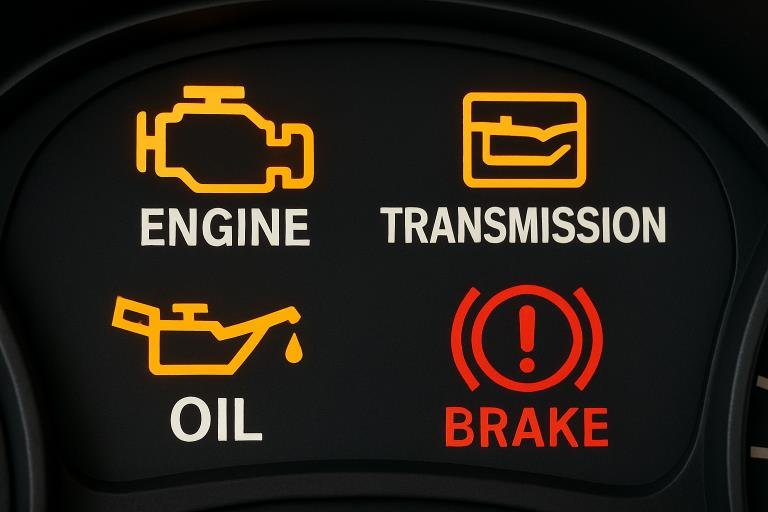
- Malfunctioning Dashboard Displays:Faulty gauges, error notifications, or unlit warning lights can leave drivers unaware of serious problems such as overheating, low oil pressure, or battery failures.
- Faulty Infotainment Systems:Unresponsive touchscreens, intermittent audio, or blank navigation displays can not only frustrate users but also distract drivers, potentially increasing accident risk.
Electrical glitches may seem minor, but they often signal broader issues with the vehicle’s wiring, sensors, or central computer. Persistent electrical deficiencies may qualify your car for Lemon Law protection, particularly if they impede critical safety functions or your ability to operate the vehicle safely.
Airbag and Seat Belt Defects
Defective safety restraints, such as airbags and seat belts, are particularly dangerous because they compromise the primary systems designed to protect you and your passengers in an accident. Problems in this category can include:
- Airbags Failing to Deploy:Whether caused by faulty sensors, wiring issues, or manufacturing defects, airbag failure during a collision can dramatically increase the risk of serious injury or even death.
- Seat Belts That Don’t Latch or Retract:Seat belts that cannot be properly fastened or that do not retract after use leave occupants unprotected in a crash, heightening the risk of ejection or severe injury.
Promptly addressing airbag and seatbelt issues is absolutely vital. According to the National Highway Traffic Safety Administration (NHTSA), manufacturers are required to fix safety defects to ensure compliance and consumer safety promptly. Failure by manufacturers to address such defects often results in large-scale recalls and manufacturer liability in the event of injury or fatality.
Steering and Suspension Problems
Problems involving the steering or suspension systems can make your car challenging to control and uncomfortable or dangerous to drive. Defects in this area might include:
- Unresponsive Steering:Difficulty steering, excessive play in the steering wheel, or delayed response can indicate problems with the power steering unit, steering rack, or tie rod ends.
- Suspension Failures:Symptoms such as knocking sounds, vibrations, or sudden changes in ride height often signal issues with shock absorbers, springs, or other core suspension components.
Steering and suspension failures increase the risk of losing control, especially at higher speeds or on rough terrain. A prompt diagnosis and complete documentation of these problems can not only keep you safer but also make it easier to hold automakers accountable, often resulting in recalls or vehicle replacements when substantiated.
Recognizing and Addressing Defects
Staying vigilant and knowledgeable is the best way to safeguard your interests as a vehicle owner. If you encounter recurring issues, follow these steps to ensure your safety and legal standing:
- Document All Repairs:Maintain a thorough log of every repair attempt, service appointment, technician’s notes, and all correspondence with dealerships or manufacturers. This organized documentation will serve as your evidence if escalation is needed.
- Understand Your Rights:Each state has unique consumer protection statutes. Review your state’s specific legislation—such as Texas’ Lemon Law—to learn what remedies, timelines, and requirements may apply in your case.
- Seek Professional Advice:If you feel your concerns are not being addressed or are confused by the process, consult with an attorney who specializes in automotive or consumer law. They can help interpret the applicable laws, negotiate with manufacturers, and maximize your chances of receiving fair treatment or adequate compensation.
By remaining observant, organized, and assertive, you help ensure your rights are protected. A proactive approach is the surest way to achieve both timely repairs and appropriate compensation if your vehicle is ultimately found to qualify under Lemon Law protections or similar statutes.