Key Takeaways
- Dental implants closely mimic natural teeth, improving function, appearance, and bone health.
- Minimally invasive techniques reduce discomfort, healing time, and surgical risks.
- Modern implants exhibit high long-term success rates when properly cared for and maintained.
- Ethical treatment planning is essential—implants are not always the only or best option.
- Choosing a qualified and transparent dental professional is crucial for achieving successful outcomes.
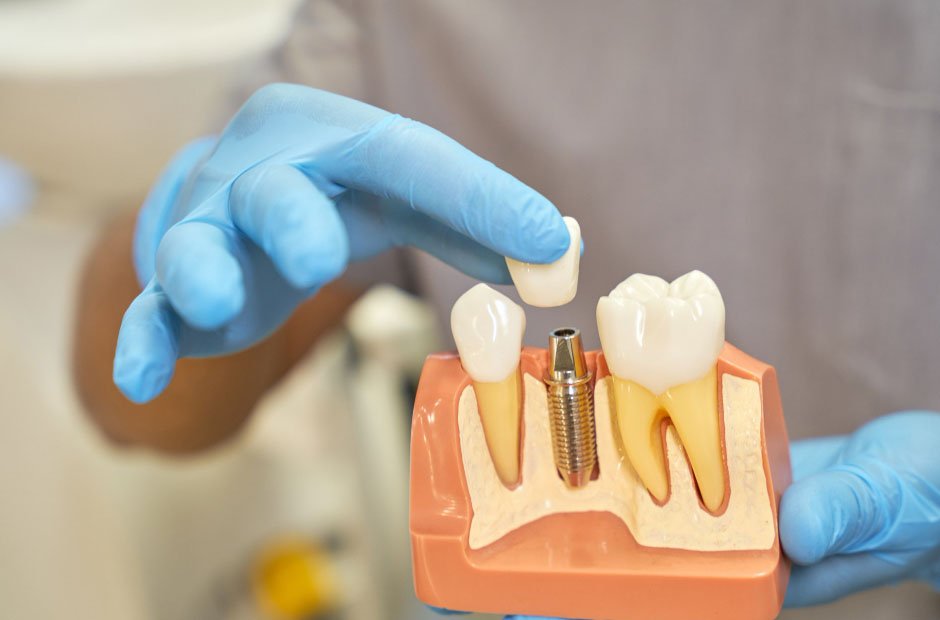
Modern dentistry has undergone significant evolution, providing reliable solutions for individuals seeking to restore missing teeth and enhance oral function. Dental implants have become a widely discussed option due to their ability to closely replicate the structure and performance of natural teeth. By anchoring directly into the jawbone, implants help support proper chewing, maintain facial structure, and prevent bone loss that often follows tooth loss. As materials and techniques continue to advance, dental implants are increasingly recognized for their durability, versatility, and long-term benefits compared to traditional tooth replacement methods.
If you are considering options for tooth replacement, understanding the latest technological advancements in dental implants in Roseville, CA, and beyond, can significantly impact your long-term oral health, confidence, and overall quality of life. Learning about how implants are planned, placed, and maintained allows patients to make informed decisions based on their individual needs. From initial consultation to ongoing care, having a foundational understanding of dental implant procedures can help set realistic expectations and support better outcomes over time.
Minimally Invasive Procedures
Minimally invasive techniques are now crucial in contemporary implant dentistry. Unlike traditional methods, these approaches involve smaller incisions, helping to preserve more of the patient’s bone and soft tissues. New implant systems enable immediate placement after tooth extraction, thereby safeguarding nerve endings and minimizing trauma, which supports bone preservation and reduces recovery time. Techniques like flapless surgery and digitally guided implant placement decrease post-surgical discomfort, swelling, and recovery duration. Patients benefit from less bleeding and fewer complications, making the process more comfortable. These innovations make implant treatment more accessible to a wider range of people while maintaining durability and functionality. Moreover, minimally invasive methods enable more precise planning, improving implant positioning and stability. Shorter procedures also reduce patient stress and limit anesthesia exposure. As these methods evolve, they lead to more consistent results and higher satisfaction across various treatment cases.
Long-Term Success Rates
Today’s dental implants are engineered not just for cosmetic appeal but for long-lasting durability. Research indicates that when proper planning, surgical technique, and patient maintenance are in place, dental implants boast impressive success rates of over 95% for ten years or even longer. The Mayo Clinic affirms that well-maintained implants can last for decades, provided the recipient commits to regular dental checkups, professional cleanings, and diligent daily oral hygiene habits.
Furthermore, innovations in biomaterials, sterile surgical protocols, and surface engineering have substantially reduced the risk of adverse events, including infections and implant failure. It is now increasingly possible for patients with chronic illnesses—such as diabetes or periodontal disease—to safely benefit from implants, as long as their conditions are carefully controlled and managed in partnership with their healthcare providers. The integration of technology with expert medical practices now enables more people than ever to eat, speak, and smile confidently again.
Ethical Considerations in Implant Dentistry
As technological advancements have made implants accessible to a broader segment of the population, ethical decision-making and patient advocacy remain at the forefront. Concerns are growing within the dental community about the unnecessary extraction of salvageable teeth, driven by commercial interests or a lack of understanding about the indications for implant use. It is critically important for patients to recognize that not every missing tooth, cracked bridge, or dental concern necessitates immediate replacement with an implant. In certain cases, alternative treatments such as root canal therapy, crowns, or fixed bridges might be more appropriate and involve fewer risks or long-term commitments.
Consulting a trusted and credentialed dental professional for a second opinion is always a wise course of action. Robust transparency, comprehensive patient education, and a strictly patient-centered approach should guide every aspect of treatment planning. Upholding these ethical standards ensures the best possible outcomes and protects patients from overtreatment or unnecessary procedures.
Choosing the Right Dental Professional
The qualifications, experience, and ethical standards of your dental professional are absolutely pivotal to the success of your implant procedure. Seek out providers who are board-certified, extensively trained in implant dentistry, and who consistently make use of the latest technologies and best practices in diagnosis and care. Reading patient reviews, asking for referrals from trusted friends or family, and consulting multiple providers will allow you to thoroughly compare your options and select a clinic or practitioner who meets your expectations.
Above all, a reputable and ethical implant specialist will discuss all available alternatives, review the risks and potential benefits, and collaborate with you to craft a treatment plan tailored to your unique needs, goals, and lifestyle. This process ensures that you remain in control and fully informed, setting the stage for optimal outcomes and lasting satisfaction.
Conclusion
The rapid innovations in dental implantology are elevating the standards of restorative care for those seeking strong, natural-looking tooth replacement. With advances ranging from bioactive materials to digital surgery planning and minimally invasive techniques, patients can now expect greater comfort, accelerated healing, and long-term stability. By staying informed and choosing your provider wisely, you can look forward to a healthier, more confident smile that lasts well into the future.