Key Takeaways
- Adoption of Sustainable Aviation Fuel (SAF) is reducing carbon emissions in private aviation.
- Artificial Intelligence (AI) is optimizing flight operations and predictive maintenance.
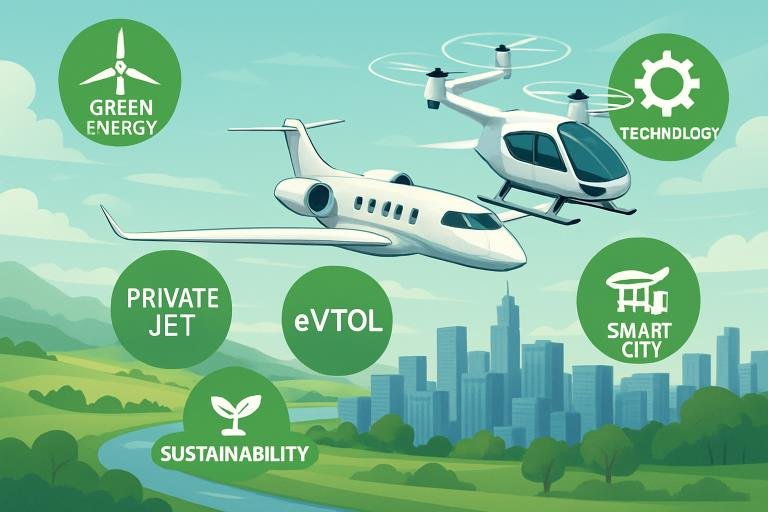
- Electric Vertical Take-Off and Landing (eVTOL) aircraft are revolutionizing urban mobility.
- Supersonic jets are making a comeback, promising faster travel times.
- Cabin innovations are enhancing passenger comfort and personalization.
Technological innovation has become a defining force in modern private aviation, driving a dynamic transformation in efficiency, sustainability, and comfort throughout the industry. From the fuel that powers jets to revolutionary cabin features, travelers are experiencing a new era of flight and greater transparency in costs, such as private jet round trip pricing. These advancements are not only addressing climate concerns but also enhancing operational reliability, reshaping how private travel is experienced and perceived.
As operators and manufacturers invest in digital solutions and greener propulsion techniques, the private aviation landscape is shifting rapidly. Integrated artificial intelligence, innovative cabin design, and new types of aircraft are all contributing to smoother, faster, and more personalized journeys for both passengers and flight crews. This wave of change is enabling elite travelers to fly smarter, more comfortably, and with a smaller environmental footprint.
From the pursuit of carbon neutrality to the creation of urban air corridors, the technological push is breaking longstanding barriers within the sector. The rise of urban air mobility vehicles, anticipated supersonic travel, and predictive maintenance illustrate the relentless progress driving the industry forward.
As these changes accelerate, travelers and operators must stay informed about the emerging trends shaping tomorrow’s private flight experience.
Sustainable Aviation Fuel: A Greener Future
The aviation industry is under increasing scrutiny for its environmental impact, pushing private aviation to prioritize decarbonization. Sustainable Aviation Fuel (SAF), derived from renewable feedstocks such as agricultural waste and algae, offers a substantially lower carbon footprint compared to traditional jet fuel. According to the International Air Transport Association (IATA), widespread adoption of SAF could reduce aviation emissions by up to 80% over the fuel’s lifecycle. In addition to SAF, advanced lightweight materials, such as carbon fiber composites, are being used to reduce aircraft weight, further improving efficiency and fuel consumption. Hybrid and all-electric propulsion systems are also emerging, with several prototypes undergoing active testing and regulatory review worldwide.
AI in Flight Operations and Maintenance
The integration of artificial intelligence is modernizing the private aviation sector on several fronts. Predictive maintenance tools, powered by AI diagnostics, analyze real-time data from aircraft sensors to predict potential system failures before they occur. This enables operators to address issues proactively, reducing unscheduled downtime and extending the operational lifespan of aircraft. AI’s impact extends to flight operations as well, optimizing flight planning by assessing weather patterns, traffic, and fuel efficiency in real time to devise the safest and most efficient routes. Industry leaders report that AI-driven solutions have begun to reduce overall maintenance costs and enhance operational reliability, thereby streamlining private jet experiences for both owners and charter clients.
eVTOL Aircraft: The Rise of Urban Air Mobility
Urban air mobility is quickly becoming a reality, propelled by the experimental rollout of Electric Vertical Take-Off and Landing (eVTOL) aircraft. These futuristic, battery-powered flying machines are designed to offer quiet, environmentally friendly urban transfers. By linking city centers to airports or other key destinations, eVTOLs aim to eliminate ground-traffic bottlenecks and dramatically cut travel time for short-range routes. Early pilot projects in European and American cities are demonstrating the commercial potential of air taxis, with several manufacturers targeting regulatory certification and broad deployment within the next decade. As infrastructure, such as rooftop landing pads and digital booking platforms, develops in parallel, urban air mobility promises to transform private air travel from end to end.
Supersonic Jets: Redefining Speed
The ambition to revive supersonic travel has regained momentum, with several companies developing new aircraft capable of flying faster than the speed of sound. Notable is the Boom XB-1, a scaled demonstrator designed to reach Mach 1.3. Such innovations build on lessons from Concorde’s era, with enhanced fuel efficiency and quieter operations. The first successful test flight of the Boom XB-1 in March 2024 marked a significant milestone toward the development of next-generation supersonic jets. These promising travel times could halve the duration of traditional intercontinental flights. As these jets near commercial viability, they will redefine what’s possible for private aviation clients seeking unmatched speed and global reach.
Cabin Innovations: Enhancing Passenger Experience
Luxury and personalization have always been hallmarks of private aviation, but technology is taking comfort to unprecedented levels. Modern private jet cabins now feature adaptive lighting, air purification systems, and biometric controls that learn and respond to passenger preferences. Touch-free interfaces, high-speed Wi-Fi, and immersive entertainment are becoming the standard, ensuring a seamless and tailored in-flight experience. Health tech is also making its mark—cabin altitude, humidity control, and real-time wellness monitoring are designed to reduce fatigue and elevate comfort. As competition among operators intensifies, investments in advanced cabin technology guarantee that time spent in the air is as productive and restorative as possible.
Conclusion
The intersection of sustainability, digital innovation, and advanced aeronautical engineering is transforming private air travel, creating possibilities that were once considered futuristic. Adoption of eco-friendly fuels, AI-driven predictive systems, urban air mobility solutions, and supersonic jets is reshaping how passengers experience both the flight and the destination. These advancements enhance efficiency, safety, and environmental responsibility while maintaining the luxury and exclusivity associated with private aviation. As technology continues to evolve, travelers can anticipate smarter, faster, and greener journeys that combine convenience and sustainability. The industry’s commitment to innovation ensures that private aviation remains at the forefront of next-generation travel experiences.