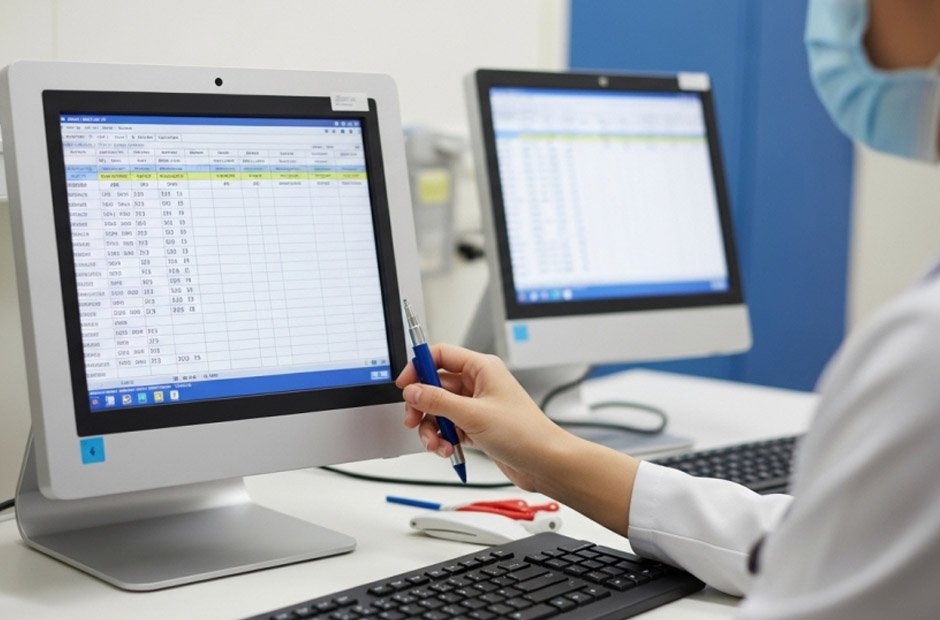
An eClinicalWorks system administrator provides comprehensive technical support and manages operations to maintain optimal performance in healthcare facilities. These professionals handle various administrative tasks, such as managing user accounts and implementing system updates. Here are some features that the system administrator provides:
User Support
The user support feature helps the administrative staff at a medical office navigate technical challenges in the eClinicalWorks environment. An eClinicalWorks system administrator is the central link between clinical teams and technical departments, providing hands-on troubleshooting for daily operational issues and guidance on system navigation. Support is delivered through on-site or remote floor support, and open office hours provide live question-and-answer sessions.
The administrator offers one-on-one or group follow-up sessions to reinforce learning after initial system updates. Live troubleshooting during daily use helps resolve software errors or connectivity hurdles. This approach can minimize workflow interruptions and support consistent, accurate system use across the practice.
Interface Mapping
Administrators can provide interface mapping to maintain a stable and efficient digital environment. Mapping is a technical oversight mechanism, and it allows the administrator to coordinate connections between the eClinicalWorks platform and external entities. The process helps align clinical and operational data with the correct tables and fields within the system. By managing these interfaces, the administrator enables real-time data flow and reduces errors, enhancing operational reliability.
Database Monitoring
Professionals offer database monitoring to verify optimal functionality of an eClinicalWorks environment. The database monitoring feature continuously monitors the backend to maintain system reliability. It involves technical actions such as:
- Performance tracking
- Capacity management
- Functional oversight
- Stability maintenance
To track performance, the administrator may evaluate whether the system is functioning at peak capacity. System evaluation helps prevent lags that could negatively affect clinical workflows. Monitoring serves as a bridge between IT functionality and clinical operations, and administrators translate business rules into technical monitoring plans. Tracking how the system handles daily tasks allows the administrator to tune performance to promote efficiency.
Security Settings
Compliance and security features help maintain a secure electronic health record environment that meets regulatory requirements. System administrators can verify the platform’s compliance with legal requirements through technical and administrative actions. These settings help establish controls for how patient data is accessed, used, and protected across the system.
Administrators configure user roles and permissions to make sure staff members access only the information needed for their job functions. This involves setting up data protection protocols to safeguard against unauthorized access or data loss. Administrators may monitor system logs and user activity to maintain accountability and prepare the practice for regulatory audits.
User Accounts Management
The user accounts management feature helps maintain a controlled and efficient electronic medical records (EMR) system. The feature includes setting up licensing, security configurations, and specific interface requirements. This system process can manage the lifecycle and security of individual staff access within the platform. Administrators can build detailed provider and staff profiles; this includes the ability to associate identifiers and taxonomy codes. To uphold security standards, they also configure specific permissions that align with a user’s clinical or administrative role.
Work With an eClinicalWorks System Administrator
Administrators perform comprehensive clinical workflow analysis to identify bottlenecks. They configure specific modules to support risk management and care planning, helping complete specialized reporting. Contact a reputable EMR services company today to learn more.