Why Your Roof Needs More Attention Than You Think
Most homeowners don’t realize how much their roof determines the comfort, safety, and long-term stability of the entire house. A roof isn’t just shingles nailed down in neat lines. It’s a layered system built to handle heat, cold, wind, rain, moisture, and structural pressure every single day. When it’s ignored, small issues turn into long, expensive problems that eat away at the home’s value. When it’s maintained proactively, the same roof can last years longer, perform better, and save you from unnecessary repair bills. Taking a proactive approach means knowing what to look for, what to fix early, and when to call a professional like an East NorthPort Roofing Contractor who understands the local climate and roofing demands.
Understanding the Real Purpose of Your Roof
A roof’s job goes far beyond shielding you from rain. It regulates temperature, controls ventilation, blocks moisture intrusion, and protects the home’s structural frame from decay. Every layer from the decking to the underlayment to the shingles and flashing works together. When one portion fails, the whole system weakens. That’s why proactive care starts with understanding how these components function. Homeowners who know the basics recognize early warning signs, avoid bad patchwork fixes, and invest in the right upgrades at the right time. Roofing longevity is not about occasional repairs. It’s about consistent oversight and improving the system before issues escalate.
Core Habits That Extend Roof Lifespan
Inspect Seasonally
A roof needs eyes on it at least twice a year. Weather shifts can reveal cracking shingles, loose nails, worn flashing, and early signs of moisture damage. A visual check after heavy rains or windstorms helps you catch small changes before they escalate. Even if everything looks fine from the ground, small pockets of damage can hide under debris or behind vents. Homeowners who keep a recurring schedule avoid the surprise of sudden leaks or emergency repairs.
Keep Debris Off the Surface
Leaves, branches, dust buildup, and organic debris trap moisture. Moisture kills roofs. It speeds up shingle deterioration, weakens the edges, and encourages mold growth. Even a lightweight layer can shorten the life of roofing materials. Clearing the surface, especially around valleys and gutters, keeps the system breathing and draining properly. If debris is constant due to trees or wind patterns, trimming branches or installing protective guards helps keep the roof clean longer.
Maintain Proper Attic Ventilation
One of the biggest reasons roofs age prematurely is trapped heat and moisture in the attic. Without ventilation, warm air rises from the home and gets stuck under the roof deck, creating condensation that eventually rots structures. This invisible threat destroys roofs from the inside out. Good airflow stabilizes internal temperature, reduces moisture, and preserves shingles. If the attic feels humid, musty, or overly warm, it’s a clear signal the ventilation system needs improvement.
Preventing Water Damage Before It Starts
Flashing and Sealant Oversight
Water doesn’t need a large gap to find its way into the house. It needs a crack the size of a fingernail. Flashing around chimneys, skylights, vents, and roof edges is the first line of defense. When flashing loosens or sealants dry out, water intrusion begins quietly. Small leaks spread through insulation and drywall long before they drip into a visible room. Proactive maintenance means checking these critical areas and resealing or replacing flashing as needed.
Gutter System Performance
Gutters direct water off your roof and away from your foundation. But when they clog, tilt, or leak, the whole system collapses. Water backs up under the shingles or pools around the home’s base. Clean gutters twice a year and ensure downspouts push water several feet from the structure. Homes without gutter guards or with trees overhead need even more frequent checks. Your roof needs a fast exit route for rainwater, and gutters are that lifeline.
The Impact of Climate and Weather Patterns
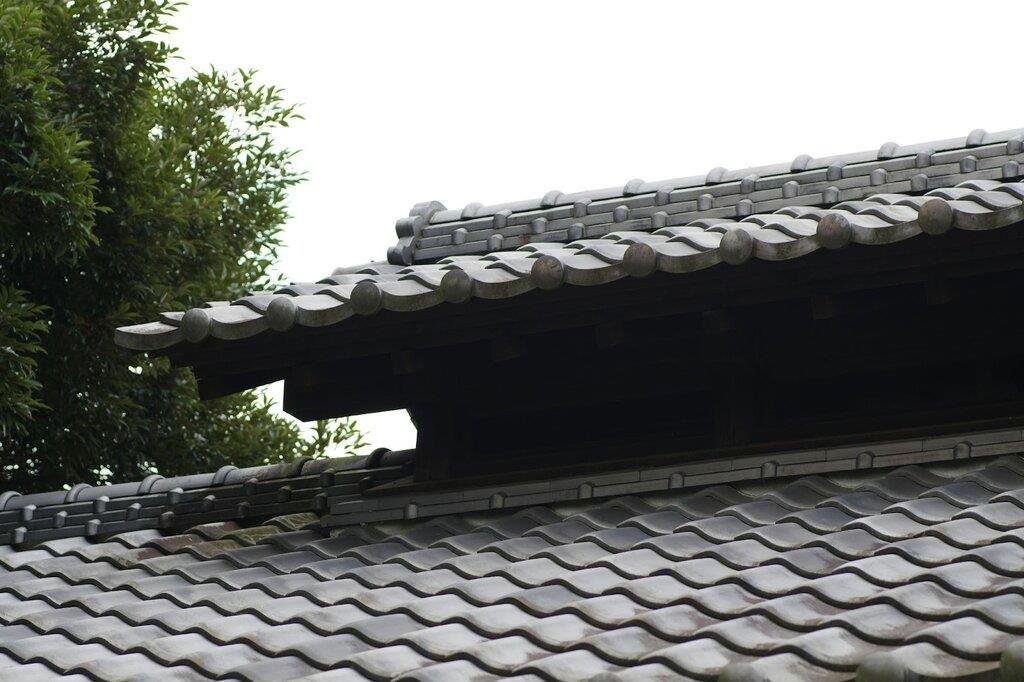
Weather shapes roof performance more than any other factor. Sun exposure breaks down shingle oils and leads to brittleness. Heavy rain washes granules away and exposes the base material. Snow and ice add weight and stress. Wind lifts shingles and tears nails free. Understanding your region’s weather patterns helps guide the maintenance cycle. Long Island’s mix of intense sun, heavy winter storms, and coastal humidity means homeowners benefit from strong underlayment, high-quality flashing, and help from an East NorthPort Roofing Contractor who knows how local weather affects material performance.
When Repairs Become Strategic Upgrades
Replacing Shingles Early
Most homeowners wait too long to replace damaged shingles. A single missing shingle can expose the underlayment, weaken nearby sections, and compromise the structure. Early replacement strengthens the entire surface and prevents water infiltration.
Upgrading Underlayment
Modern synthetic underlayments outperform old felt materials. They resist moisture, prevent rot, and extend shingle life. Upgrading during repairs makes the roof more resilient and energy-efficient.
Investing in Modern Ventilation
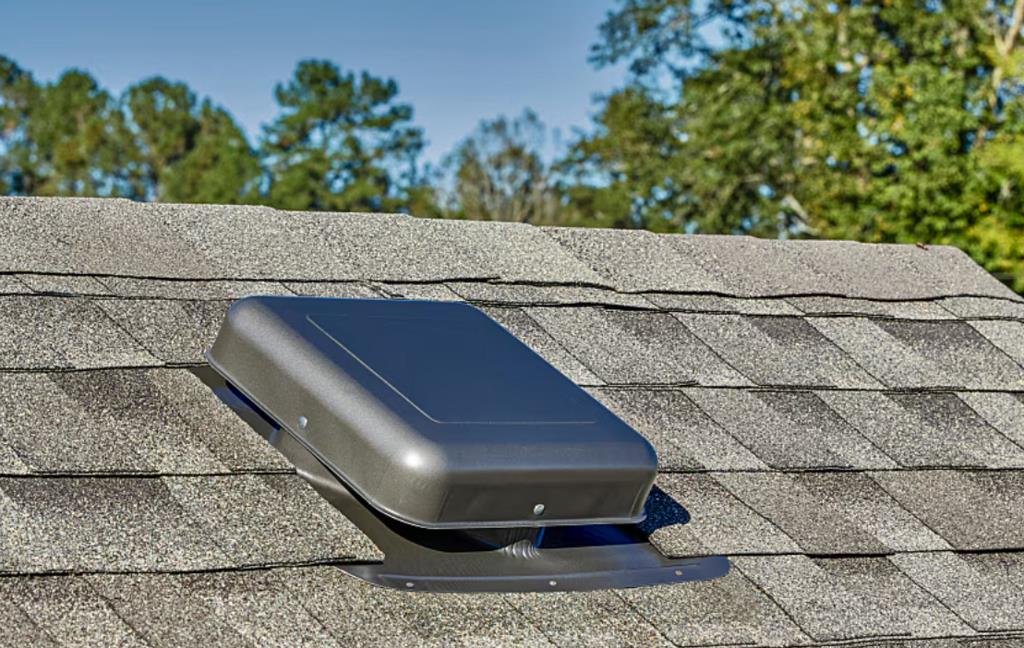
Ridge vents, soffit vents, and heat-reducing attic fans all extend roof life by stabilizing temperature. Better ventilation makes shingles last longer, reduces mold risk, and improves energy performance throughout the home.
How Proactive Maintenance Saves Serious Money
Roof problems grow exponentially more expensive when ignored. A cracked shingle becomes a leak. A leak becomes interior damage. That leads to insulation replacement, mold removal, drywall repair, and potentially structural rebuilding. Proactive homeowners spend far less over the lifetime of their roofs. By catching trouble early, they avoid emergency calls, storm-season failures, and full replacements years before necessary. A strong roof also boosts resale value. Buyers instantly notice clean shingles, well-maintained gutters, and a home that has been cared for consistently.
Practical Monthly and Seasonal Checklist
Monthly
Check for debris, clogged drains, and overhanging branches. Scan ceilings inside the home for stains or musty smells. Look at shingles from the yard and ensure no warping appears.
Spring
Assess winter damage, ice-related lifting, and moisture issues. Clean gutters thoroughly and address any mold growth. Reinforce ventilation if the attic feels damp.
Summer
Inspect for sun-damaged shingles and weakened sealant. Ensure the attic isn’t overheating. Add ventilation if insulation feels humid.
Fall
Clear heavy leaf buildup, clean gutters again, and prepare for snow loads. Look for any loose shingles or flashing before winter storms hit.
When It’s Time to Bring in a Professional
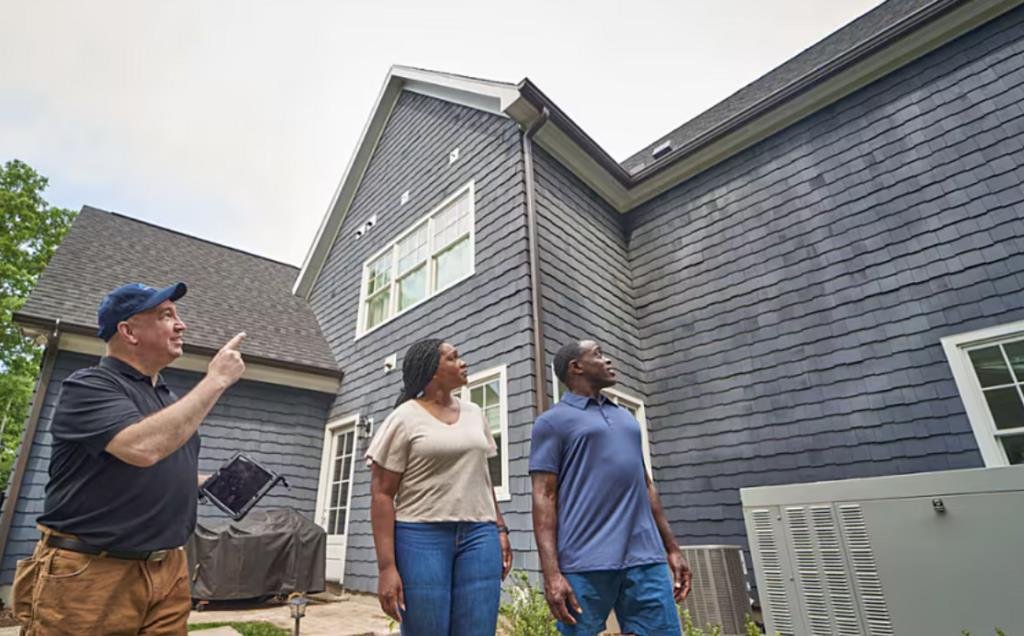
You can handle a lot through personal inspections, but some roofing issues need trained eyes and proper tools. Structural damage, advanced moisture infiltration, sagging areas, and widespread shingle deterioration require professional assessment. A qualified contractor ensures repairs are done correctly and the roof remains safe. When in doubt, don’t risk climbing or guessing. Bringing in a pro protects the home and adds years to your roof’s performance.
Why Staying Proactive Changes Everything
Roofs fail from neglect, not surprise. Homeowners who stay ahead of problems keep their home stronger, safer, and far more durable. A proactive approach turns your roof from a ticking time bomb into a long-lasting asset. Taking the time to understand its needs and respond early makes every year easier and every storm less stressful.