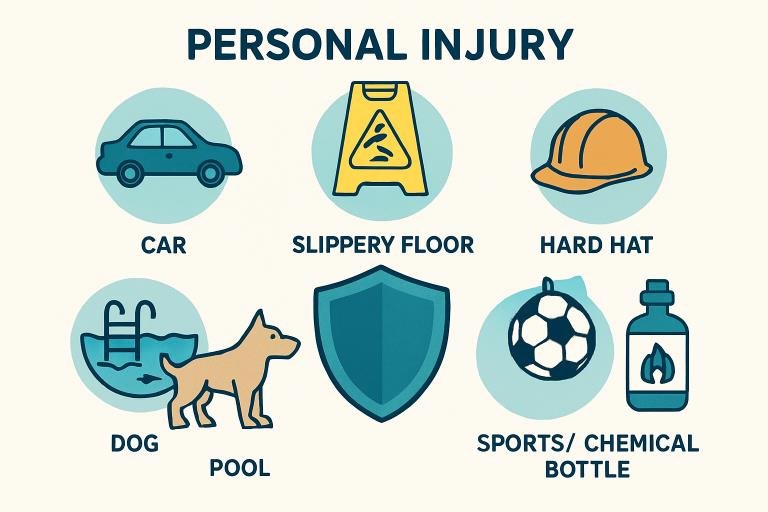
Personal injuries are an unfortunate reality of everyday life. They can result from a wide variety of situations, leading not only to pain and suffering but also to emotional turmoil and severe financial burdens. Whether you are at home, in the workplace, or traveling, being proactive about your safety and staying aware of common risks can significantly reduce your risk of harm. It is essential to familiarize yourself with the leading causes of personal injuries and take action to minimize your vulnerability, since a single accident can have life-altering consequences. For those impacted by an injury, seeking legal guidance from trusted professionals like the Fasig | Brooks Law Offices can be critical to protecting your rights and securing compensation.
Prevention is always better than cure when it comes to personal injury. Understanding your environment, staying alert, and adopting practical safety measures not only protect you but also help safeguard others around you, whether they are colleagues, loved ones, or strangers. A vigilant approach, combined with the willingness to act in risky situations, is key to reducing unnecessary harm.
Motor Vehicle Accidents
Every year, millions of people are injured in motor vehicle accidents, making them a leading cause of personal injury worldwide. Factors such as distracted driving, speeding, fatigue, and impaired driving (alcohol or drugs) all contribute to these incidents. Defensive driving techniques, like maintaining a safe distance and being mindful of your surroundings, can help reduce your risk. Never drive while distracted or intoxicated, and make sure your vehicle is well-maintained for optimal safety.
- Focus exclusively on the road and avoid multitasking, such as texting or adjusting navigation systems while driving.
- Adhere to speed limits and reduce speed during adverse weather or heavy traffic conditions.
- Commit never to drive under the influence, and consider using ride-sharing services if needed.
- Conduct regular checks on your vehicle, especially brakes, tires, and lights, to ensure everything is functioning properly.
Slip and Fall Incidents
Slip-and-fall accidents can happen in virtually any setting, from shopping centers to parking lots to residential pathways. Wet surfaces, loose rugs, poorly lit areas, and uneven flooring are common culprits. Injuries can range from minor bruises to serious fractures or head injuries. It is vital to remain vigilant, especially in unfamiliar environments, and to promptly report or address hazards.
- Opt for shoes with sturdy soles and strong grips, especially in rainy or icy seasons.
- Move with caution in places known for slippery surfaces, such as restrooms or lobbies, after cleaning.
- Let property managers or owners know about any hazards you spot, including spills or broken steps.
- Utilize handrails on all stairs and ramps when available, as they can prevent many falls.
Workplace Injuries
Work-related injuries occur in all industries, affecting both office employees and manual laborers. Typical causes include slips, falls, accidents with machinery, and exposure to harmful substances. Adopting a safety-first culture and complying with federal workplace regulations, such as those outlined by the Occupational Safety and Health Administration (OSHA), are essential steps to prevent harm.
- Participate in all available workplace safety training sessions, no matter your role.
- Wear protective gear and use safety devices provided by your employer.
- Keep your workspace free of clutter and hazards that can lead to accidents.
- Promptly report any unsafe situations or incidents to supervisors to ensure timely intervention.
Sports and Recreational Injuries
Participation in physical activities and organized sports offers numerous benefits, but can also lead to sprains, fractures, concussions, or muscle tears. Preventing these injuries is possible with the right precautions and equipment. For parents, educating children about safety and ensuring they follow instructions is especially important.
- Wear sport-specific protective gear, such as helmets and pads, in every session.
- Engage in warm-up exercises and stretching to prepare muscles and joints.
- Familiarize yourself and others with rules and guidelines to promote safer play environments.
- Stay hydrated and pace yourself to prevent exhaustion-related accidents.
Dog Bites and Animal Attacks
Interactions with animals can be rewarding, but improper handling or lack of supervision often results in bites and other injuries. Reports show that children are particularly vulnerable, as they may be unaware of safe behaviors. Adults and guardians must teach and model proper attitudes toward animals to prevent avoidable harm.
- Never approach strange animals or attempt to pet them without the owner’s explicit consent.
- Give pets space when they are eating, sleeping, or caring for offspring.
- Educate children to respect animals and use gentle actions.
- If bitten, visit a healthcare provider immediately to reduce the risk of infection or serious complications, as recommended by CDC dog bite prevention
Drowning Incidents
Drowning ranks among the most tragic yet preventable forms of accidental death, especially for young children. Water safety is essential during family outings, public swims, and boating trips. Proactive supervision and basic swimming skills save lives, so do not compromise on vigilance around any water body.
- Children must be supervised continuously when near pools, lakes, or tubs.
- Sign up for swimming lessons and encourage water safety education for all family members.
- Wear life jackets while boating or swimming in deep, unpredictable waters.
- Never swim alone and avoid unsupervised or remote locations.
Burns and Chemical Exposures
Fires, hot liquids, and dangerous chemicals are common sources of burns and related injuries at home and in workplaces. Creating safe storage, installing alarms, and using protective equipment are all crucial for minimizing these hazards. Treating burns quickly and properly also limits the risk of complications, such as infection or scarring.
- Install and regularly test smoke alarms throughout your home.
- Store hot liquids and hazardous materials well out of reach of children.
- Wear gloves, masks, and other protective gear when handling caustic or flammable substances.
- Follow manufacturers’ instructions for safe chemical storage and disposal.
Conclusion
Being aware of the leading causes of personal injuries is the first step in creating safer routines and environments. By making safety a priority, staying informed, and following proactive prevention strategies, you can dramatically reduce the risk of harm whether you are at work, at play, or at home. If you experience a personal injury and need legal assistance, seeking professionals who understand the complexities of injury claims can help you protect your interests and recovery.