Car accidents are a persistent threat on roads across the globe, resulting in preventable injuries, property damage, and tragic loss of life. As traffic congestion and urbanization rise, the need for safer roads becomes more urgent. Whether you are a daily commuter or an occasional driver, implementing basic safety measures can drastically reduce your risk. If you or a loved one is involved in a collision, contacting a Houston car accident lawyer early on can help you understand your rights and options.
Every driver, passenger, and pedestrian has a role in creating safer streets. Responsible driving habits and support for community safety initiatives together form the foundation for accident prevention. By cracking down on dangerous behaviors behind the wheel, staying attentive, and maintaining your vehicle, you are safeguarding not just yourself but everyone sharing the road.
The following article provides a practical guide to upgrading your daily driving habits, building awareness, and supporting broader road safety programs. These steps are essential for reducing crashes, injuries, and fatalities on our roads—one action at a time.
Avoid Distracted Driving
Distracted driving is responsible for thousands of deaths each year in the United States alone. Texting, eating, and adjusting entertainment systems take your focus off the road and can have devastating consequences in seconds. To minimize risk:
- Activate “Do Not Disturb While Driving” settings on your smartphone before you start driving.
- Only use hands-free technology when absolutely necessary.
- Always keep both hands on the wheel and keep your attention forward.
According to the National Highway Traffic Safety Administration (NHTSA), more than 3,500 lives are lost to distracted driving annually. Eliminating distractions is one of the most effective ways to keep everyone traveling safely.
Adhere to Speed Limits
Driving above the speed limit can quickly escalate minor mistakes into serious crashes. High speeds reduce the time needed to react and increase the severity of any impact. Make a habit of checking your speed, particularly in school zones, residential areas, and when road conditions change. Remember, getting to your destination safely is always more important than shaving a few minutes off your trip time.
Maintain Your Vehicle Regularly
Mechanical failures resulting from poor vehicle maintenance are a frequent contributor to accidents. Key maintenance items include:
- Checking and replacing worn brake pads and rotors as needed.
- Inspecting tires for adequate tread depth and ensuring correct tire pressure year-round.
- Make sure all exterior and interior lights are operational, especially during poor weather or nighttime driving.
Promptly addressing warning lights or unusual noises helps prevent breakdowns that could otherwise lead to dangerous situations. Routine vehicle checks are essential for your safety and can often be performed at home or during regular service visits.
Practice Defensive Driving
Defensive driving helps you anticipate and avoid hazards caused by other motorists’ unpredictable actions. Key defensive tactics include:
- Maintaining a safe distance from the vehicle ahead to ensure ample stopping time.
- Checking mirrors and blind spots frequently, especially before changing lanes.
- Yielding the right of way when required and avoiding confrontational driving behaviors.
By staying prepared and alert, you minimize the risk of being involved in a collision caused by someone else’s negligence.
Stay Alert for Pedestrians and Cyclists
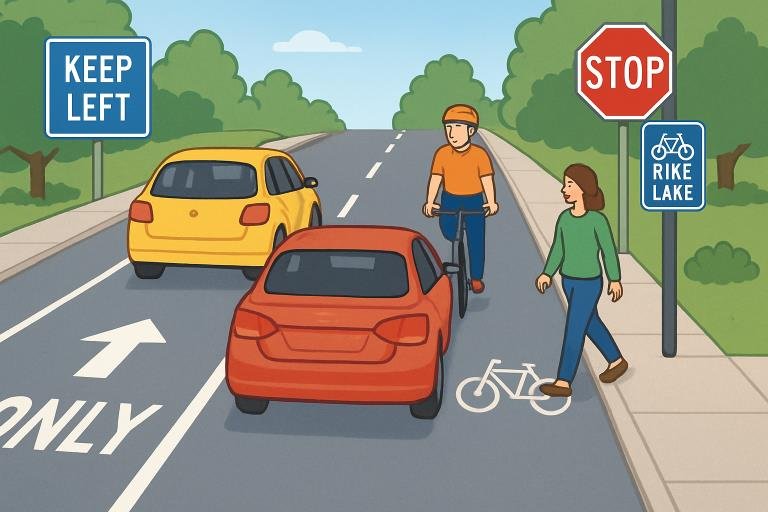
Urban streets often see a mix of vehicles, cyclists, and pedestrians. To keep everyone safe:
- Always be prepared to stop for pedestrians in crosswalks, even if they cross unexpectedly.
- Check for cyclists before turning or opening doors near bike lanes.
- Take extra care when turning or driving through school zones and neighborhoods with high foot traffic.
Improved road designs, dedicated cycling infrastructure, and clear crosswalks have been shown to reduce accident rates.
Plan for Weather Conditions
Inclement weather, such as rain, fog, or ice, significantly increases the risk of car accidents due to reduced visibility and slippery surfaces. To stay safe during poor weather:
- Reduce speed to maintain control, especially during storms or snow.
- Increase your following distance since braking distances are longer in adverse conditions.
- Use headlights to enhance your visibility to other drivers, regardless of the time of day.
Staying informed about upcoming weather and anticipating the need for alternative routes or delays can prevent many weather-related accidents.
Never Drive Under the Influence
Alcohol and drugs impair a driver’s judgment, coordination, and reaction time—greatly increasing the chances of a crash. To ensure safe transportation:
- Designate a sober driver if you plan to drink.
- Use public transportation, taxis, or ride-sharing services.
- If necessary, stay overnight at your location rather than risk driving impaired.
Drunk and drug-impaired driving are leading causes of fatalities on roads in the United States and are entirely preventable through responsible planning and personal accountability.
Support Road Safety Initiatives
Community and government-led initiatives like Vision Zero work to eliminate road fatalities and serious injuries by reshaping traffic regulations, road engineering, and public education. Supporting such programs by participating in public forums or advocating for better road designs can promote safer travel for all.
By practicing these straightforward, practical measures, every driver helps make roads safer. Reducing risks is not just a personal benefit; these habits protect everyone moving through cities, suburbs, and highways every day.
Final Thoughts
Road safety is a shared responsibility that starts with mindful, proactive driving. By avoiding distractions, adhering to speed limits, maintaining your vehicle, practicing defensive driving, and staying alert for pedestrians and cyclists, you significantly reduce the risk of accidents. Planning for weather conditions, never driving under the influence, and supporting community safety initiatives further enhance your and others’ protection. Consistently applying these habits creates safer roads, prevents injuries, and promotes a culture of responsibility behind the wheel.