Key Takeaways
- Regular septic maintenance is crucial for home safety and long-term savings.
- Professional septic pumping prevents costly backups and environmental contamination.
- Homeowners should implement best practices for waste disposal and water usage.
- Timely septic care supports the local environment and water quality.
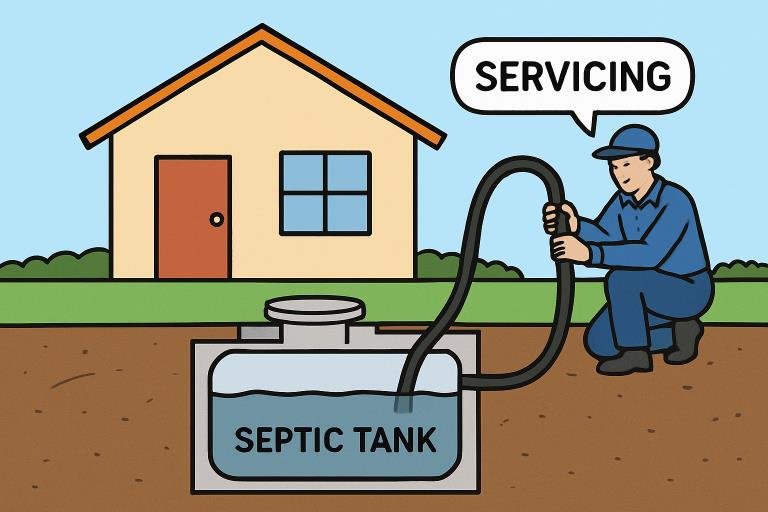
Ensuring the well-being of your household starts with maintaining all major systems, including the often-overlooked septic system. Professional septic pumping companies are essential partners in this process. Their expertise in pumping and maintaining septic tanks helps prevent system failures, property damage, and health hazards.
Neglecting septic care can lead to costly repairs, environmental problems, and significant disruptions to daily life. By working with experienced technicians and following recommended maintenance routines, homeowners can protect their investment while preserving home hygiene and public health.
Recognizing when your system needs servicing and hiring the right professionals can make a significant difference. This includes not only dealing with urgent issues but also adhering to maintenance schedules to keep your system functioning efficiently.
Comprehensive septic services go beyond basic pumping. They may also offer inspections, repairs, and guidance on best practices, making them vital to the overall health of a home’s sewage management system.
The Importance of Regular Septic Maintenance
Routine pumping and inspection are recommended by agencies such as the Environmental Protection Agency (EPA), which suggests inspecting septic systems every 3 years and pumping as needed, usually every 3 to 5 years. Skipping this maintenance can lead to solids building up within your tank, resulting in clogs or overflows that damage both the tank and the surrounding land. Regular service ensures wastewater is processed effectively, eliminating threats of contamination and property damage. EPA guidelines on septic system care are an excellent reference for homeowners seeking additional information.
Extending System Lifespan Through Professional Pumping
Hiring professionals for septic tank pumping is crucial to prolonging the life of your wastewater system. When layers of sludge and scum accumulate unchecked, they can block pipes or reduce the tank’s efficiency, which increases the likelihood of premature system failure. The frequency of pumping depends on the size of your tank, your household size, and daily water use. With regular servicing, homeowners can prevent blockages, leaks, and potentially hazardous backups, all of which can be both expensive and disruptive.
Proper Waste Disposal Practices
Every day disposal habits have a significant impact on the health of your septic system. Items like sanitary wipes, paper towels, and feminine hygiene products do not easily break down and can quickly clog system pipes. Additionally, pouring grease, harsh chemicals, or medications down the drain can lead to buildup or upset the biological processes in your tank that facilitate effective waste breakdown. Households that follow best practices for waste disposal see fewer problems and enjoy lower maintenance costs over time.
Efficient Water Usage
Reducing overall water consumption directly affects your septic system’s performance. Spreading water use throughout the day, promptly fixing leaks, and installing water-efficient fixtures help prevent excess water from overwhelming your tank and drainfield. These simple adjustments reduce the frequency of required pumping and minimize the risk of backups or overloads, all while supporting broader conservation goals. For more guidance on saving water in the home, visit National Geographic’s water conservation tips.
Protecting the Drainfield
The drainfield is a critical component that safely disperses treated wastewater. To keep it functioning properly, avoid parking vehicles or placing heavy structures over this area, as compacted soil can damage buried pipes and impede drainage. Plant only grasses above the drainfield to prevent roots from infiltrating and clogging the piping. Good drainfield care is key to preventing backups and maintaining the overall effectiveness of your septic system.
Environmental Benefits of Septic Maintenance
Maintaining your septic system isn’t just about protecting your property; it also helps preserve your local environment. Properly functioning systems keep harmful bacteria and nutrients from contaminating groundwater, nearby streams, and lakes. Proactive care reduces the spread of disease and limits the nutrient pollution that can trigger algae blooms in water sources. To learn more about home-based water management and its environmental impact, the National Geographic water conservation tips are an excellent resource.
Recognizing Signs of Septic System Issues
Early detection of septic problems can help you avoid emergencies and costly repairs. Common warning signs include slow-draining sinks or toilets, unpleasant indoor or yard odors, wet or soggy ground near the tank or drainfield, and unusually lush grass over the drainfield. If you notice one or more of these indicators, it is essential to consult a professional for a prompt inspection and any necessary repairs.
Conclusion
Routine care and professional attention from septic pumping companies are vital to maintaining a healthy, safe home environment. By staying aware of your system’s needs, practicing responsible disposal habits, using water wisely, and protecting the drainfield, you can safeguard your investment and support community health and environmental quality for years to come.