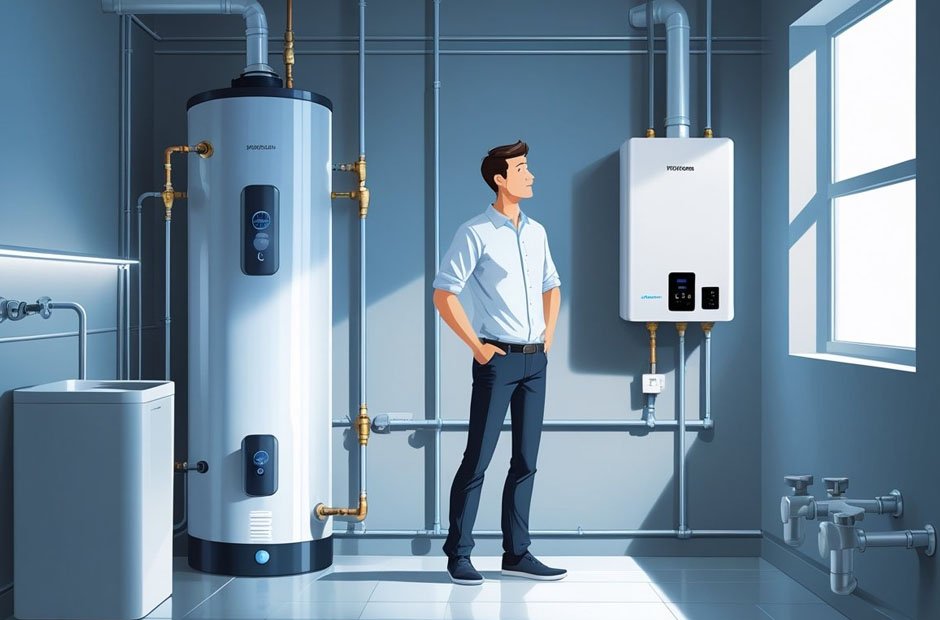
Making the decision to upgrade your home’s water heating system is no small matter. For many homeowners, the appeal of tankless water heaters is clear: sleek technology, modern efficiency, and the promise of endless hot water. As more people prioritize energy savings and home comfort, it’s important to weigh both advantages and the challenges these systems can bring. If you’re exploring your options, learning about professional tankless water heater installation in Salt Lake City can put you on the path to smarter home upgrades.
Tankless units have rapidly gained in popularity, but they are not a one-size-fits-all solution. Assessing your home’s hot water demands, space, and budget can help you decide. Take the time to review the key pros and cons before making a change that impacts your comfort and wallet for years to come.
Energy Efficiency and Cost Savings
One of the standout reasons homeowners switch to tankless water heaters is their improved energy efficiency. Unlike traditional tank varieties, which keep water hot around the clock, tankless systems use powerful heating elements to warm water as it passes through. This on-demand process ensures energy is used only when you need hot water, minimizing waste and lowering your overall energy bills. According to the U.S. Department of Energy, households that use 41 gallons or less of hot water daily can improve their energy efficiency by up to 34 percent with a tankless heater, resulting in meaningful cost savings over the life of the unit. As energy costs continue to rise across the U.S., this benefit attracts growing attention from eco-conscious consumers.
Unlimited Hot Water Supply
Nothing disrupts a morning routine faster than running out of hot water. Tankless water heaters address this common frustration by providing a virtually endless supply of hot water. Because the system heats water instantly as you need it, you can take back-to-back showers, run your dishwasher, and do laundry with less risk of a cold-water surprise. However, it’s important to select a tankless unit that is capable of meeting your household’s maximum flow rate requirements. Overloading the system with simultaneous high-volume demand can lead to inconsistent water temperature.
Space-Saving Design
Compact and streamlined, tankless water heaters free up valuable square footage in your home. Unlike the bulky tanks that gobble up closet or basement space, these units can typically be mounted on a wall, allowing you to reclaim areas for storage or other uses. Homeowners with smaller residences or apartments particularly appreciate the efficiency of this design. The reduced footprint also makes tankless water heaters easier to conceal, supporting modern minimalist aesthetics.
Higher Initial Costs
No evaluation of tankless water heaters is complete without addressing upfront costs. These systems are generally more expensive to purchase than standard tank units, and installation costs can also be higher, particularly if your home requires significant retrofitting. Factors like venting upgrades or electrical improvements, especially for gas or high-capacity electric models, may increase the bottom line. On the brighter side, federal tax credits and potential rebates can help offset these costs in some areas.
Longer Lifespan
Besides practical benefits in efficiency and form factor, tankless water heaters are also known for their durability. Conventional tank water heaters typically last 10 to 15 years, but most tankless models can last 15 to 20 years with regular maintenance. This longevity enhances the value proposition, as spreading your investment over more years can help offset the initial installation cost.
For more guidance on extending the life of your home’s major systems, explore the U.S. Department of Energy’s resources on water heating.
Installation Requirements
Installing a tankless water heater is not always a straightforward swap. Gas-powered models may require new gas lines or venting systems, while electric units may require updated breakers or increased amperage. Depending on your current setup, your plumber may need to modify your home’s piping or even electrical infrastructure to meet the demands of your new system. Consulting a professional installer before purchasing ensures your home is suitable for this upgrade and that you can budget for any additional installation requirements.
Maintenance Needs
Routine care helps tankless water heaters operate at peak performance. Areas with hard water are particularly susceptible to mineral buildup, which can affect heating efficiency and potentially damage internal components. Manufacturers often recommend annual descaling, or even more frequent maintenance in mineral-heavy regions, as well as periodic filter cleaning. Delegating maintenance to a trained technician ensures your investment remains in top condition for decades to come.
Conclusion
Tankless water heaters offer compelling benefits, including reduced energy use, unlimited hot water, and a smaller footprint compared to traditional tank units. These advantages, combined with a longer lifespan, can make the switch attractive for homeowners who value comfort and efficiency. However, higher upfront costs, unique installation requirements, and ongoing maintenance are important considerations. By carefully assessing your household’s needs and consulting with professionals, you can make an informed choice about whether a tankless water heater is a smart investment for your home.