With the housing market evolving and homeowners becoming more discerning, staying up to date on the latest remodeling trends is crucial for anyone looking to enhance both the comfort and resale value of their property. Not only do the newest updates create a home that better fits a modern lifestyle, but smart renovations can make a property stand out to buyers when it hits the market. If you’re planning your next project, working with experts in home remodeling by Forest Ridge Builder can ensure you align with future-focused trends and maximize your investment.
The preferences in 2026 reflect a strong push toward sustainability, upgrading with the latest technology, and cultivating spaces that improve both function and well-being. As you plan your remodel, understanding which upgrades are in demand will help you prioritize features that provide long-term value.
Aside from aesthetics, remodels tailored to healthier, more flexible living are now attracting greater interest and offering higher resale benefits. In a market shaped by changing work habits and climate concerns, not all renovations are created equal, so choosing the right areas can make all the difference.
This comprehensive guide covers the remodeling trends set to add the most value to your property this year. From eco-friendly improvements to wellness-oriented design, use this insight as your roadmap for an investment that pays off.
Sustainable and Eco-Friendly Renovations
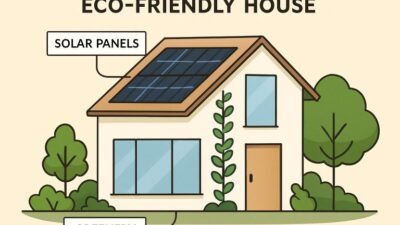
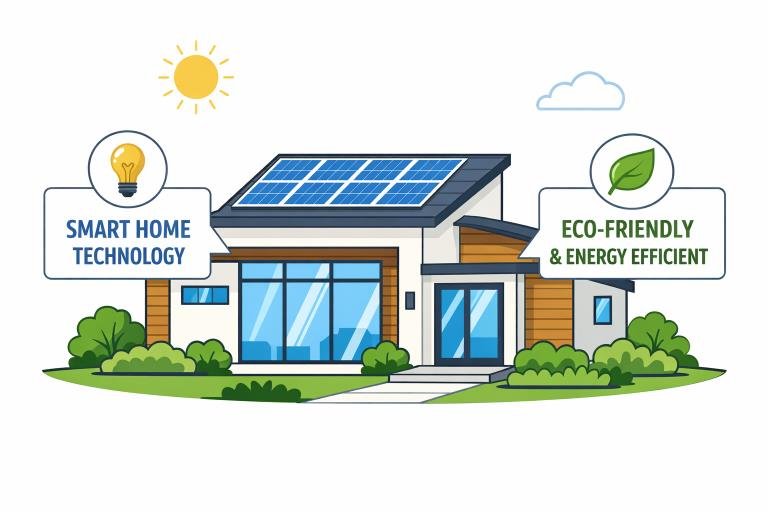
The emphasis on sustainability has transcended trend status and become a non-negotiable in modern home improvement. Upgrades like solar panels, high-performance insulation, and green roofing systems can drastically improve energy efficiency and help reduce utility bills. In regions experiencing higher-than-average energy costs, these solutions can be a key selling point for buyers. Additionally, eco-friendly materials such as reclaimed wood, bamboo flooring, and non-toxic paints are priorities for homeowners who value a healthy indoor environment and ethical sourcing.
Water-saving fixtures, improved window glazing, and rainwater harvesting systems are also gaining traction. As reported by Architectural Digest, eco-conscious renovations both reduce your carbon footprint and make your home appealing to an expanding segment of sustainability-minded buyers. These investments often pay for themselves over time by lowering overall maintenance and utility costs.
Smart Home Technology Integration
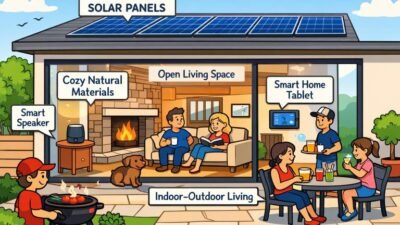
The rapid adoption of smart home technology is reshaping client expectations for new and updated homes. Some of the most desirable features include integrated lighting and climate control systems that can be managed remotely, automated security and surveillance, and even AI-driven energy management platforms that learn your habits to optimize efficiency. Kitchens and living rooms are increasingly equipped with voice-activated devices and smart appliances, creating seamless, more convenient everyday experiences. In fact, a growing number of buyers now view smart home infrastructure as essential.
According to a recent Forbes analysis, homes with comprehensive smart technology upgrades typically see higher resale values, especially in metropolitan markets. With technology advancing rapidly, staying up to date ensures your property remains competitive and can better command buyer interest down the road.
Outdoor Living Spaces
Outdoor areas have evolved far beyond simple patios, with homeowners viewing them as extensions of their indoor living spaces. Covered decks, all-weather kitchens, and entertainment zones equipped with heating solutions and lighting are redefining the backyard experience. These features are increasingly prioritized by buyers who value year-round outdoor entertaining or relaxation. The addition of lush landscaping, fire pits, and water features can make these spaces more inviting and usable year-round. Properly designed outdoor living areas, especially when thoughtfully integrated with the main house, add significant curb appeal and functional living space to a property.
Kitchen and Bathroom Upgrades
The kitchen remains the hub of daily life and is still the room most likely to boost property value when remodeled. In 2026, trends include large multifunctional islands, smart appliances, and hidden storage solutions. Sustainable cabinetry and recycled materials are gaining traction, as are induction cooktops that boost both safety and energy efficiency. In the bathroom, elements such as spa-style rain showers, heated flooring, and illuminated, programmable mirrors are in demand. Luxury touches like touch-free faucets and smart toilets further set newly remodeled spaces apart from older homes.
Upgrades in these rooms don’t just boost day-to-day enjoyment; they consistently provide some of the highest returns on investment, as buyers routinely cite modern kitchens and bathrooms among their top priorities.
Flexible and Multifunctional Spaces
The rise of hybrid work and evolving family needs has put a premium on spaces that can shift use as circumstances change. Homeowners are increasingly transforming spare bedrooms, basements, and attics into versatile areas for home offices, fitness studios, or guest accommodations. Movable walls, modular furniture, and convertible furniture allow for easy reconfiguration, maximizing the utility of any square footage. Such adaptability can be particularly attractive to buyers who require solutions for work-from-home arrangements or multigenerational living.
Wellness-Oriented Design
Integrating health and wellness into home design is more relevant than ever. Floor plans and finishes that optimize natural light, boost clean air circulation, and bring nature indoors through biophilic design are seeing a surge in popularity. Meditation rooms, indoor garden walls, and circadian lighting systems are becoming standard features in wellness-centric renovations. These upgrades not only contribute to mental and physical health but also make a home stand out to buyers looking for holistic, future-ready living environments. According to Architectural Digest, such spaces can be decisive differentiators in competitive housing markets.
Conclusion
The remodeling trends driving value in 2026 are rooted in sustainability, advanced technology, functional flexibility, and wellness. By prioritizing these areas in your next renovation, you can enjoy a more comfortable and modern space while securing a stronger return on your investment when it comes time to sell. For guidance and execution aligned with these forward-looking trends, consider teaming up with experienced professionals to achieve a transformation that benefits both your lifestyle and property value.