Key Takeaways
- Renewable energy, such as solar and geothermal systems, is now commonly integrated into new home builds.
- Eco-friendly construction materials like bamboo, recycled steel, and hempcrete are chosen for sustainability and longevity.
- Passive house and biophilic designs promote both efficiency and occupant well-being.
- Advanced water conservation technologies are being standardly installed in new builds.
- Modular and prefabricated methods offer efficient construction with less environmental impact.
Environmental consciousness has become a driving force in how people approach home construction. Modern homeowners are exploring diverse strategies and materials to create residences that are not only beautiful and functional but also gentle on the environment. This shift is evident across the country, inspiring new home builders in Sacramento and beyond to build homes with reduced ecological footprints and greater long-term value. Innovations in design and technology make it increasingly feasible for homebuyers to invest in sustainable features that improve comfort and efficiency.
From renewable energy systems to thoughtful water management, incorporating sustainability into home design is now a practical choice rather than a niche luxury. With regulatory support and growing consumer demand, the future of residential construction is more resource-efficient, cost-effective, and healthier for both people and the planet. Whether through material choices or smart home upgrades, every step toward sustainability supports broader environmental goals while enhancing the day-to-day living experience.
Renewable Energy Integration
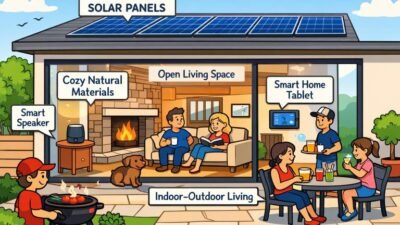
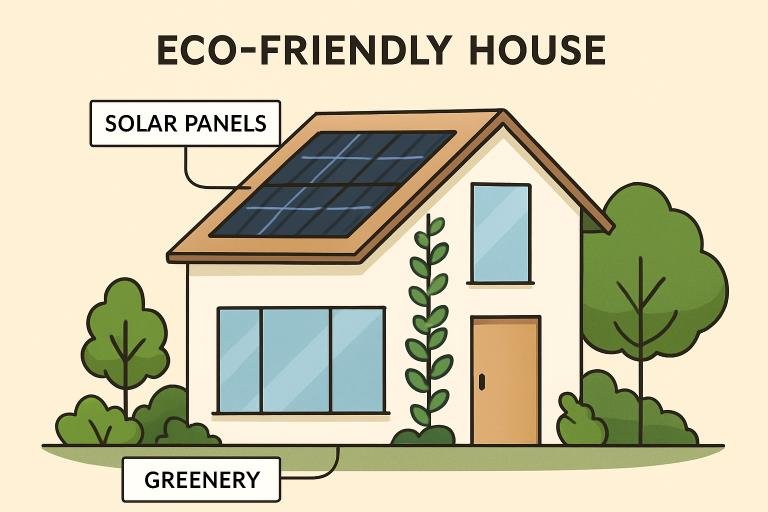
Renewable energy solutions are among the most impactful ways homes can reduce reliance on conventional fossil fuels. Solar panels are now a familiar sight on rooftops, delivering reliable electricity while shrinking carbon footprints and monthly utility expenses. Aside from solar options, geothermal heat pumps have rapidly gained favor. These systems leverage the stable ground temperature to provide emission-free heating and cooling, resulting in quieter operation, lower emissions, and significant energy savings. As utility costs and climate concerns rise, the adoption of renewable energy continues to accelerate in residential construction.
Eco-Friendly Building Materials
Sustainable homes prioritize materials with lower environmental impacts in both production and performance. Builders are increasingly using bamboo for flooring and paneling because it grows quickly and regrows easily. Recycled steel is another sturdy choice, reducing the need for new mining and raw material processing. Hempcrete, a composite made from hemp fibers and lime, provides insulation with a neutral or even negative carbon impact because it sequesters more carbon dioxide than it emits. Opting for these types of materials also improves indoor air quality and long-term durability, giving homeowners peace of mind about maintenance and sustainability.
Passive House Design
The Passive House Standard has become an industry benchmark for energy-efficient design. The approach hinges on careful orientation of the building site, strategic placement of windows, and exceptional insulation, all aimed at minimizing thermal loss and maximizing comfort with minimal mechanical intervention. Features often include triple-pane glass, tight building envelopes, and dynamic shading systems that prevent overheating while maintaining natural daylight. Adopting passive house standards significantly reduces energy bills and can improve indoor air quality and ensure more consistent temperatures year-round.
Biophilic Design Elements
Biophilic design is moving to the forefront as homeowners and architects recognize the positive effects of integrating nature into living spaces. Bringing in more natural light through expansive windows, prioritizing indoor greenery, and incorporating natural materials like wood and stone are all part of this movement. These design principles have been shown to lower stress levels, improve productivity, and foster well-being for all occupants. The use of natural colors and organic forms further supports a sense of calm and connection to the outdoors.
Water Conservation Technologies
Addressing water scarcity is a pressing priority in sustainable construction. Modern homes feature low-flow fixtures, such as faucets, toilets, and showerheads, that dramatically reduce unnecessary water use. Rainwater harvesting systems collect runoff from roofs to supply gardens, washing machines, and even toilets, further reducing demand on municipal water supplies. Greywater recycling adds another layer of efficiency by reusing lightly used water from sinks or laundries for irrigation and flushing. These advancements lower utility costs and align with broader conservation initiatives.
Modular and Prefabricated Construction
Embracing modular and prefabricated construction methods is transforming the efficiency and sustainability of new home builds. Elements of a home are manufactured in a controlled environment off-site before being transported and assembled on-site. This approach drastically reduces construction waste, shortens build timelines, and improves quality control through consistent factory conditions. As a result, modular homes can be less expensive and more environmentally friendly than their traditional counterparts, giving homeowners modern flexibility with a smaller ecological impact.
Final Thoughts
Sustainable building trends are fundamentally changing the home construction landscape. Integrating renewable energy, using eco-friendly materials, and adopting strategies such as passive house and biophilic design offer environmental and personal benefits. New construction today is about creating homes that are as efficient and resilient as they are beautiful, making sustainability the new standard in residential living.