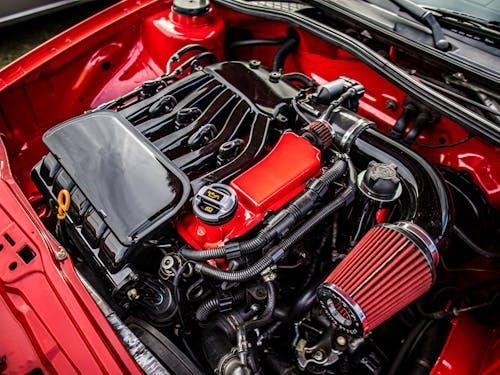
Smart maintenance doesn’t start in the shop. It starts earlier, usually at the point where someone decides what part goes into the machine. That choice sets the tone for everything after. Vehicles don’t fail all at once; they drift into failure. A bearing gets rough, not broken. A belt stretches slightly, not snapped. A sensor reads just a bit off. Each of those seems minor, easy to ignore. Yet they stack. Pressure builds in places it shouldn’t. Heat lingers longer than expected. Systems adjust to compensate, quietly. Nothing stops, so nothing feels urgent. That’s how poor parts hide their impact.
And it’s common to think maintenance is just timing—change fluids, swap filters, follow intervals. That’s only half of it. The other half is what you install. A schedule with weak components is still weak. You can follow every interval perfectly, but still end up with early wear. That mismatch confuses people. They did the work, yet the result isn’t stable.
The Early Choice That Saves Later Trouble
Within the first stages of maintenance decisions, sourcing matters more than most admit. Not just what part, but where it comes from. A consistent supplier reduces variation. Fewer surprises. People realize the source matters as much as the component itself—this is where platforms like IntellaParts.com come into play, offering parts aligned with actual vehicle demands instead of just catalog matches. That alignment matters. Because vehicles aren’t generic. Even similar models behave differently under load, age, usage patterns.
And once a pattern of reliable sourcing is set, maintenance becomes more predictable. Failures don’t disappear, but they become expected, spaced out, manageable.
Parts That Fit vs Parts That Work
There’s a difference between something that fits into place and something that actually performs over time. Many parts meet the minimum—dimensions line up, connections hold, installation goes smoothly. But performance isn’t proven at install. It shows later, under stress. Heat cycles, vibration, load shifts. A lesser part may pass the first few runs. Then it fades. Not dramatic. Just slower response, slight noise, minor inefficiency.
That’s where problems begin to spread. A weak alternator doesn’t just fail on its own—it affects battery health, then electrical systems, then startup reliability. A poor-quality seal might hold at first, then leak under pressure. Small leaks become contamination. Systems degrade quietly.
Cheap Isn’t Simple
Lower-cost parts look efficient on paper. Quick fix. Budget-friendly. But cost doesn’t stop at purchase. It carries forward. A cheap component often wears faster, sometimes unevenly, sometimes suddenly. Then it needs replacement sooner. Labor repeats. Downtime repeats. The cycle continues.
So the real cost is cumulative. One replacement becomes two, then three. Not always obvious at first. But over time, the math shifts. Paying once for a better part often ends up cheaper than repeating the same repair.
Still, habits are hard to break. People default to what’s available, what’s cheapest, what’s immediate. Long-term thinking loses to short-term convenience.
Systems Don’t Isolate Failure
Vehicles operate as connected systems. Nothing exists alone. A failing suspension component changes tire wear patterns. Tire wear affects handling. Handling affects braking. It spreads.
A weak fuel component alters combustion efficiency. That shifts engine temperature. Heat affects nearby parts. Degradation spreads outward.
This is why part quality matters more than expected. It’s not just about the part itself. It’s about what surrounds it.
And sometimes the failure chain isn’t obvious. You fix one issue, another appears. Feels unrelated. Often it’s not.
Wear Happens Gradually
Most components don’t break suddenly. They degrade. Slight changes at first. A bit more noise. A bit less efficiency. Maybe a vibration that wasn’t there before. Easy to ignore.
But degradation compounds. Each cycle adds stress. Each mile adds wear. Eventually, the threshold is crossed. Then failure looks sudden, even though it wasn’t.
Good parts slow this process. They don’t stop wear. Nothing does. But they stretch the timeline. Give more margin.
Maintenance Is Not Just Routine
Routine suggests repetition. Same steps, same results. But real maintenance shifts over time. Vehicles age. Conditions change. Load varies. The same part might not perform the same way after years of use.
So maintenance has to adapt. Sometimes stronger components are needed. Sometimes more frequent checks. Static routines don’t account for change.
And ignoring that leads to mismatch. Parts that were fine before become insufficient later.
Downtime Adds Pressure
When a vehicle stops working, everything around it slows. Work delays. Plans shift. Costs rise.
Downtime isn’t just about repair—it’s about interruption. Even short outages matter. Especially for work vehicles.
Reliable parts reduce this risk. Not completely. But enough to make operations smoother. Predictable.
Unreliable parts do the opposite. Failures come at inconvenient times. Rarely planned.
Guessing Isn’t Maintenance
Some decisions get made on instinct. This part looks similar. That one is cheaper. It should work.
Sometimes it does. Sometimes not.
Without proper matching—specs, materials, compatibility—guessing introduces risk. Not immediate, but delayed.
And delayed problems are harder to trace. The cause isn’t obvious anymore.
The Role of Consistency
Consistency in parts leads to consistency in performance. Same supplier, same quality, same results. Easier to predict behavior. Easier to diagnose issues. Patterns stay visible instead of shifting around.
Switching between inconsistent parts introduces variables. Harder to track. Harder to manage. One batch performs fine, the next wears faster—now you’re guessing instead of knowing. That uncertainty slows everything down.
Consistency simplifies maintenance. Not perfectly, but enough. It reduces guesswork, limits unexpected wear, keeps systems operating in familiar patterns. Over time, that stability matters more than small cost savings. Mechanics notice it first—fewer surprises, fewer repeat fixes, less time spent chasing issues that shouldn’t exist. Not flawless, still wear happens, but steadier. And steadier systems last longer, even if nothing else changes.
Smart maintenance isn’t complicated. It’s just often approached backward. People focus on timing, ignore parts. Or choose parts based on price alone.
But the starting point matters. Always did.
Right parts, fewer problems. Wrong parts, more work later.
Simple. Not always followed.