Introduction
The real estate landscape is undergoing a significant transformation, driven by rapid technological advancements. From virtual tours to AI-driven recommendations, technology is reshaping how buyers search for, evaluate, and purchase homes. For instance, Edgewater real estate expert Jason Schonholtz, founder of JMS Miami Realty, leverages these innovations to provide clients with a seamless and efficient home-buying experience in the Miami area.
As technological innovation accelerates across industries, the real estate sector stands out as one of the most significantly impacted. What once required hours of in-person visits, stacks of printed documents, and numerous phone calls can now often be managed through sophisticated apps and cloud-based solutions. This digital transformation is not just a passing trend; it is fundamentally redefining consumer expectations and professional practices in home buying. Such sweeping changes offer substantial benefits to today’s buyers, making the process less stressful and more transparent.
Digital Listings and Virtual Tours
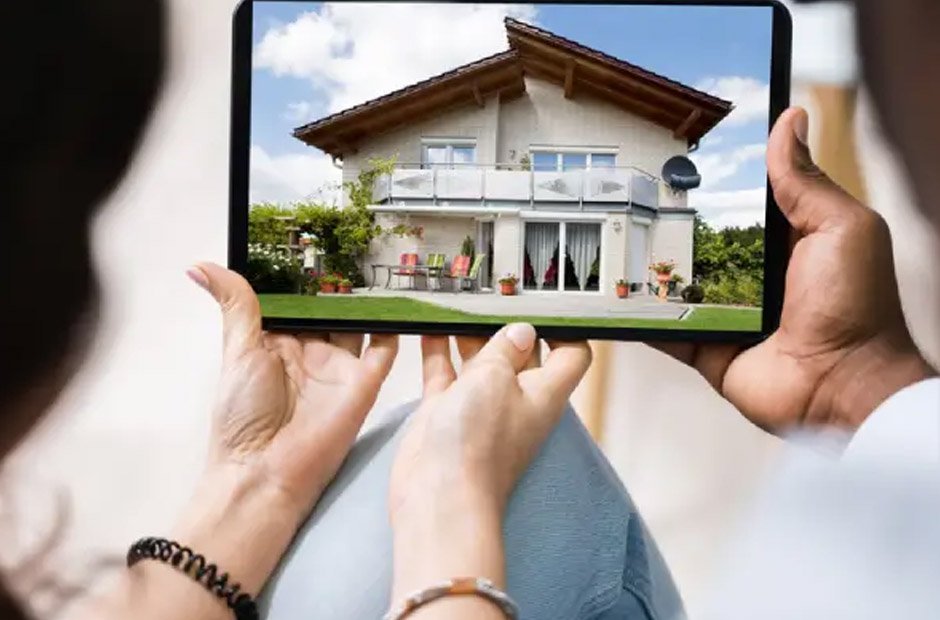
Online platforms have revolutionized property listings, offering comprehensive details and high-resolution images. Virtual tours and 3D walkthroughs allow buyers to explore properties remotely, saving time and broadening their search horizons. This technological shift has been particularly beneficial in vibrant markets like Edgewater, where buyers can assess multiple properties without physically visiting. The quality and accessibility of digital listings have improved dramatically, offering interactive experiences that go beyond static images. Features such as interactive floor plans, drone footage, and virtual staging provide deeper insight into the layout and condition of homes. For out-of-town buyers or those with limited time, these tools can make the difference between passing on a property and feeling confident enough to make an offer.
Artificial Intelligence in Property Search
AI algorithms analyze user preferences and behaviors to provide personalized property recommendations. This tailored approach enhances the efficiency of the home search process, connecting buyers with properties that closely match their criteria. In dynamic markets such as Miami, AI-driven tools help buyers navigate the vast array of available properties, ensuring they find homes that align with their specific needs and desires. These algorithms don’t just filter by basic criteria like price and location; they learn from user interactions to suggest hidden gems that might have otherwise been missed. Some platforms offer chatbots and virtual assistants that can answer questions instantly, schedule showings, and even provide neighborhood statistics or comparable sales data. This level of personalization enables buyers to focus their energy on properties most likely to be a good fit, streamlining what was once an overwhelming process.
Blockchain for Secure Transactions
Blockchain technology is introducing transparency and security to real estate transactions. Creating immutable records reduces fraud and streamlines processes like title transfers and contract management. This innovation is particularly valuable in high-demand areas, where secure and efficient transactions are paramount. With digital tokens and smart contracts, transactions can occur more quickly and with fewer intermediaries. This not only saves money on closing costs but also protects sensitive information throughout the process. As adoption grows, buyers and sellers can expect even faster, safer closings and heightened confidence that all documentation is authentic and up to date.
Smart Home Technology
Modern homes are increasingly equipped with smart technologies, offering features like automated lighting, climate control, and security systems. These innovations not only enhance convenience but also contribute to energy efficiency and safety. In neighborhoods like Edgewater, smart home features are becoming a standard expectation among buyers seeking modern living experiences. Buyers today are often interested not only in square footage and location but also in the potential savings and convenience associated with smart home systems. From voice-activated assistants that control home functions, to leak detectors that help prevent costly damage, to integrated doorbell cameras, technological integrations can influence purchasing decisions and even increase property values. Homeowners can often monitor and control their properties from anywhere in the world, a level of convenience unimaginable just a decade ago.
Online Mortgage Applications
The mortgage application process has become more accessible through online platforms. Digital applications expedite approvals and offer tools for comparing loan options, empowering buyers to make informed financial decisions. This advancement is particularly beneficial for first-time buyers who may find traditional mortgage processes daunting.
Applying for a mortgage online lets buyers securely upload documents, check the status of their application in real time, and use calculators to model different financing scenarios. Some fintech companies leverage automation and AI to underwrite loans faster and flag potential issues early. The overall effect is less paperwork, faster turnarounds, and greater transparency into exactly where a buyer stands at each step of the process. Many platforms also allow buyers to lock in rates digitally, reducing anxiety during times of interest rate volatility.
Data-Driven Market Insights
Access to real-time market data enables buyers to make informed decisions. Analytics tools provide insights into market trends, property values, and neighborhood statistics, aiding in strategic planning. For example, understanding the growth trajectory of areas like Edgewater can help buyers make investment decisions that align with their long-term goals. Beyond simple price history and inventory levels, many platforms now offer predictive analytics. These tools crunch vast amounts of data to forecast where prices may be headed or which neighborhoods are experiencing the fastest appreciation. Buyers and investors alike can use this information to time their purchases and identify opportunities that fit both their short- and long-term strategies. Additionally, demographic statistics, school rankings, walkability scores, and transportation options are now easily accessible, further empowering buyers to choose communities that align with their lifestyles.
Conclusion
Technology is undeniably transforming the home-buying experience, making it more efficient, transparent, and tailored to individual needs. Embracing these advancements can empower buyers to navigate the real estate market with greater confidence and ease. Professionals like Edgewater real estate expert Jason Schonholtz are at the forefront of integrating these technologies to enhance client experiences in the Miami real estate market.
Looking ahead, as technology continues to evolve, we can expect even more innovations to shape the home-buying journey. From augmented reality tools that allow buyers to visualize renovations before making an offer to green certifications that automatically calculate and verify a property’s energy efficiency, the digital toolkit for buyers and agents will only grow. Those who embrace these changes will benefit from a smoother process, more robust decision-making tools, and an overall more enjoyable transition into their new homes.