Key Takeaways
- Consistent oral hygiene is crucial for implant longevity.
- Regular dental check-ups help monitor the health of dental implants.
- Avoiding harmful habits can prevent implant complications.
- Proper diet and lifestyle choices support implant success.
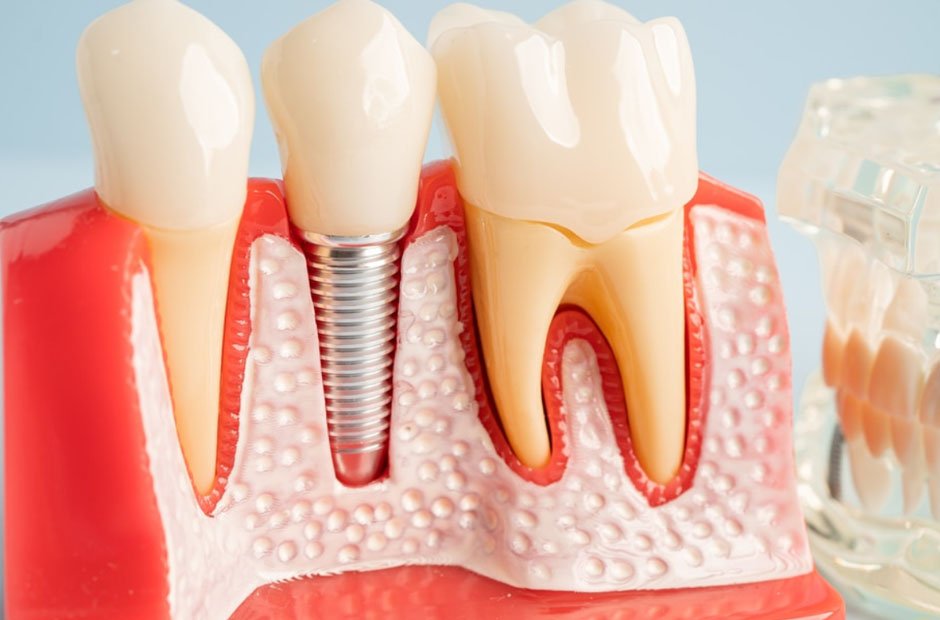
Dental implants have dramatically improved options for tooth replacement, delivering natural-looking, durable results for patients with missing teeth. To ensure these restorations last and foster a healthy, confident smile, it is vital to focus on daily care and regular checkups. If you are considering dental implants or want to extend the life of your existing implants, understanding these best practices can help safeguard your investment and support your oral health for the long term.
Long-term success with dental implants is not just about the surgical procedure. It depends on your ongoing dedication to comprehensive oral care, lifestyle choices, and proactive monitoring for potential complications. By cultivating strong oral hygiene routines and staying vigilant about changes in your mouth, you can enjoy the benefits of implants for many years. These best practices are designed to guide you through every stage of care, from daily cleaning to recognizing signs that require professional attention.
Maintain Excellent Oral Hygiene
Daily oral hygiene is the single most important factor in preserving dental implants. Use a soft-bristled toothbrush, both manual and electric options can work, paired with non-abrasive toothpaste to gently yet thoroughly clean your teeth and implants at least twice a day. Flossing once a day, especially around implant posts, prevents plaque buildup and reduces the risk of peri-implant disease. Special tools like interdental brushes or water flossers can help clean hard-to-reach areas and remove debris that standard floss may miss.
A strong oral hygiene regimen not only protects the soft tissue around your implants but also supports the bone structure that anchors them. Patients who adhere to effective cleaning practices report fewer complications and longer-lasting implant success, according to the Mayo Clinic.
Schedule Regular Dental Check-Ups
Ongoing professional evaluations are crucial for monitoring the health of your dental implants. These visits allow your dentist to check that the implants remain firmly integrated with the bone, assess the condition of your supportive tissues, and detect any early signs of inflammation or mechanical issues. Most experts recommend seeing your dentist every six months for cleanings and exams, though individuals with special risk factors may need more frequent visits. Professional cleanings remove stubborn deposits and bacteria that at-home care may leave behind, further reducing the risk for gum disease or peri-implantitis.
Avoid Harmful Habits
Some behaviors can undermine the stability and survival of dental implants. Smoking is among the most significant risks, as it impairs blood flow to the gums, slows healing, and increases the chance of implant failure. Quitting smoking before and after implant surgery dramatically enhances your long-term outcome. In addition to tobacco use, avoid chewing on hard items like ice or pens and never use your teeth as tools to open packages. These actions can crack, chip, or loosen both implants and natural teeth.
Adopt a Balanced Diet
Your nutrition directly affects the health of your mouth and dental implants. Emphasize whole foods rich in calcium and vitamin D, such as dairy, fish, and leafy greens, to support healthy bones and gum tissue. Limit consumption of sugary or acidic foods and beverages, which can promote plaque accumulation and gum disease. Staying hydrated also helps maintain saliva production, which is vital in neutralizing harmful bacteria and keeping your mouth fresh.
Use Implant-Safe Oral Care Products
Selecting oral care products that are gentle on implants is essential. Non-abrasive toothpaste helps avoid scratching the surface of implant crowns, which can harbor bacteria over time. Alcohol-free mouth rinses are recommended, as they do not contribute to dry mouth or irritation. Whenever possible, seek your dentist’s advice on products that suit your specific needs, as they can recommend tools and rinses to protect your implant investment.
Be Mindful of Teeth Grinding
Bruxism, or teeth grinding, can put excess pressure on dental implants and may lead to fractures or loosening. If you grind your teeth, particularly at night, a custom night guard can help evenly distribute pressure and protect your implants and remaining teeth. If you have concerns about grinding or jaw clenching, discuss them promptly with your dentist to develop a solution tailored for you.
Recognize and Address Early Signs of Complications
Spotting early symptoms of implant trouble can help prevent more serious problems. Keep an eye out for signs such as redness, swelling, bleeding around the implant site, or a feeling that the implant is becoming loose. If such changes develop, schedule a dental appointment immediately. Prompt intervention can often arrest or reverse early inflammation before it progresses, helping to preserve the implant’s integrity and your overall oral health.
Commit to Lifelong Care
Choosing dental implants represents a long-term investment in your oral health and well-being. The success of that investment is rooted in consistent, lifelong care practices. Remain diligent about daily oral hygiene, be proactive about scheduling regular dental visits, and stay aware of changes in your mouth that could signal problems. With conscientious home care and professional guidance, dental implants can restore your smile’s function and beauty for many years to come.