Key Takeaways
- All car accident victims should seek immediate medical evaluation, even if symptoms are not immediately apparent.
- Prompt documentation of injuries is essential for insurance and legal purposes.
- Delayed symptoms are common, and untreated injuries can have long-term health effects.
- Medical records are critical evidence if you decide to pursue compensation for your injuries.
- Speaking with an attorney early can help protect your rights and maximize your recovery options.
After a car accident, your first concern might be assessing the visible damage to your vehicle, followed closely by exchanging information with the other driver and dealing with insurance companies. However, the most critical step after any car crash, regardless of severity, is to seek medical evaluation. Prompt medical attention can make a significant difference in both your physical recovery and your ability to pursue fair compensation later. Whether you feel injured or not, a medical visit is essential for your well-being and to protect your rights. In many cases, consulting a Houston car accident medical attorney can help you understand your options and next steps.
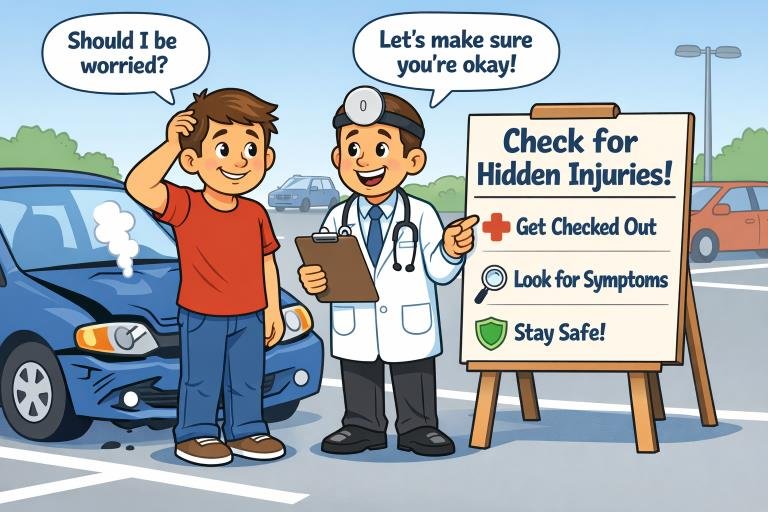
Many people mistakenly overlook medical assessments if they do not experience immediate pain or visible wounds. However, injuries from car accidents often develop subtle symptoms hours or days after the accident. Immediate medical evaluation ensures that any hidden injuries are properly identified and documented for both health and legal purposes.
Timing Matters: Why You Should Seek Medical Care Right Away
When you are involved in a car crash, even a minor one, adrenaline and shock can mask symptoms of injury. Some conditions, like traumatic brain injuries or internal bleeding, may not be immediately apparent. Getting evaluated by a healthcare professional as soon as possible helps ensure these potentially serious conditions are identified early, increasing the likelihood you can receive timely treatment and avoid lasting complications.
Medical documentation began soon after the accident also supports your ability to make claims through insurance, as most insurers require proof that injuries are directly related to the accident. Delaying medical care can undermine both your health and your legal case.
Delayed Symptoms and Hidden Injuries
Common injuries after a car accident, such as whiplash, concussions, and soft tissue damage, frequently have symptoms that emerge hours or days after the collision. You might feel fine in the immediate aftermath, only to experience headaches, dizziness, or pain later on.
According to the Mayo Clinic, failing to identify and treat injuries early can result in prolonged recovery times and, in some cases, permanent damage. Prompt medical exams and follow-ups are crucial because some injuries escalate without early intervention.
Medical Records as Crucial Evidence
A detailed, recent record of your injuries and treatment is crucial if you pursue a personal injury claim. Insurance companies and lawyers review this to assess your injuries’ cause and extent. Gaps between the accident and medical visits can cast doubt on whether your injuries are related. Immediate medical records show you valued your health and support your claim. Without documentation, insurers may deny or reduce your claim, making recovery of medical costs and wages harder.
Insurance and Legal Considerations
The steps after a car accident impact legal and financial outcomes. You need medical proof to file a claim and must act quickly to meet deadlines, called statutes of limitations. Seeing a doctor promptly also counters insurance tactics to reduce payouts, as delays might suggest injuries are unrelated.
The Role of a Medical Professional After an Accident
A qualified medical professional can identify both visible and hidden injuries, order necessary imaging or tests, and recommend an appropriate treatment plan. They may refer you to specialists for orthopedic, neurological, or physical therapy care, if needed. A commitment to follow through on care plans and appointments helps ensure you recover physically and builds a detailed record important for any legal claims.
What to Do After a Car Accident
- Ensure safety first: move yourself and others out of harm’s way if possible and call emergency services.
- Seek immediate medical attention, regardless of how you feel physically at the scene.
- Document the accident with photos, notes, and witness contact information.
- Contact your insurance provider to start your claim.
- Follow all medical recommendations for examinations, tests, and treatments.
- Keep detailed records of all medical visits, diagnoses, and expenses.
- Consult with a qualified attorney to understand your next steps and protect your interests.
Taking these steps helps safeguard both your health and your legal rights after a car accident. The most important thing you can do for yourself after any crash, regardless of how minor it seems, is to prioritize a medical evaluation as soon as possible.
Conclusion
Seeking immediate medical care after a car accident is crucial for your health and legal protection. Even if injuries aren’t visible, early evaluation detects hidden issues, prevents complications, and speeds recovery. Prompt medical documentation links the accident to your injuries, supporting insurance or legal claims. Delays can worsen outcomes and hinder injury proof. Acting swiftly, following medical advice, and keeping records protect your health and rights. Prioritize timely medical attention after any accident, no matter how minor.