Key Takeaways
- Strong evidence is crucial for a successful car accident claim in Las Vegas.
- Different types of documentation and witness accounts can make a significant difference.
- Working with an experienced attorney can help gather and present the right types of evidence.
- Timely action and thorough documentation often play a vital role in maximizing compensation.
Why Evidence Matters in Car Accident Claims
If you have been involved in a car accident in Las Vegas, your ability to recover compensation often depends on the strength of the evidence you provide. Insurance adjusters and courts rely on concrete proof to evaluate fault, damages, and injuries. In this environment, simply having a convincing story or being sure the other party was at fault is not enough. Solid, timely evidence is what tips the scales in your favor. Gathering the proper types of evidence can seem overwhelming while coping with the aftermath of a car accident. Partnering with the Brian Boyer car accident injury firm in Las Vegas can guide you through what is required, ensuring you don’t miss critical details that may help your claim.
The benefit of thorough documentation is clear, as it can safeguard your rights, establish liability, and help accurately account for your losses and injuries. Even if the facts seem straightforward, insurance companies may dispute or minimize your claim if you lack the right documentation. Legal guidance can ensure your evidence is identified early and presented properly. Finally, building a comprehensive claim starts as soon as the incident occurs. From taking your own photographs to requesting documentation from hospitals or authorities, every step counts. Waiting too long or relying only on verbal reports can result in lost opportunities and weaker claims.
Types of Evidence That Impact Your Claim
Several types of evidence can help strengthen a car accident claim in Las Vegas. These types of evidence include police reports, photographic documentation, medical records, witness statements, expert assessments, and physical evidence from the scene. Each kind of evidence has its unique value, and together they build a stronger, more credible case.
The Power of Police Reports
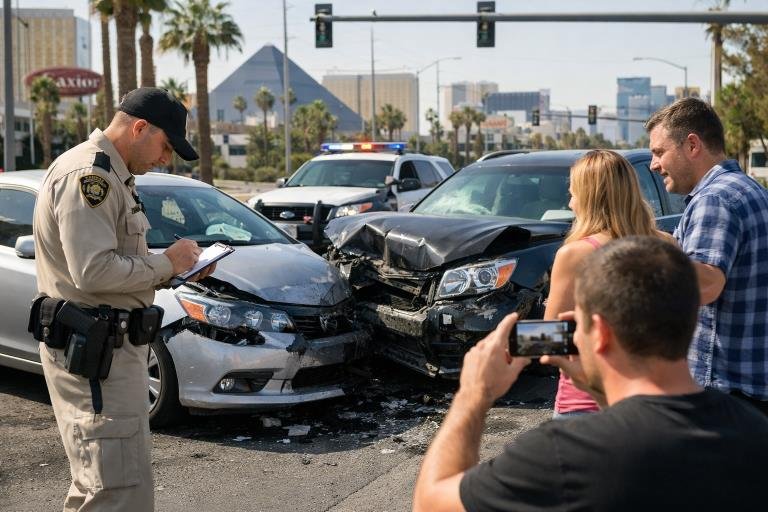
Police reports are often among the most valuable documents in a car accident claim. They provide an official, unbiased account of the crash, recorded shortly after the incident. Police reports frequently include key facts such as the time, date, location, statements from involved parties, and even an officer’s assessment of fault. According to the National Highway Traffic Safety Administration, official documentation carries significant weight in resolving claims and determining liability.
Photographic and Video Documentation
Photos and videos are indispensable for documenting vehicle damage, injuries sustained, and the positions of cars after the collision. Taking clear, thorough photos from multiple angles can help recreate the scene for insurance adjusters or juries. Video evidence, such as dashcam or surveillance footage, can provide an objective timeline of what happened. Always capture images of skid marks, traffic signals, weather conditions, and any contributing factors at the scene.
Medical Records and Treatment History
Medical records establish the extent of your injuries, how they occurred, and the treatments required. It is essential to seek immediate medical attention after a car accident, not only for your health but also to create a clear record linking your injuries to the accident. Keep detailed documentation, including doctor’s notes, diagnostic images, prescriptions, and receipts for every medical expense.
Eyewitness and Expert Testimony
Eyewitness statements can be crucial for validating your account of events. Neutral, third-party witnesses are especially persuasive since they are not invested in the outcome. If necessary, expert witnesses, such as accident reconstructionists or medical professionals, can analyze evidence and provide insights into complex details. Courts and insurers often give substantial weight to credible third-party testimony.
Other Forms of Helpful Evidence
Other forms of evidence that can help your claim include physical items such as damaged personal property, data from vehicle black boxes (event data recorders), phone records if distracted driving is alleged, and receipts for out-of-pocket expenses. These materials collectively provide a complete picture of the crash’s impact on your life and finances.
How Legal Representation Strengthens Your Claim
Working with a knowledgeable Las Vegas car accident attorney can significantly impact the success of your claim. An attorney will know which types of evidence are most relevant, how to gather and preserve crucial documents, and how to negotiate with insurance companies on your behalf. Legal professionals also have the resources to hire expert witnesses and, if necessary, reconstruct accident scenes. For complex or high-value claims, having experienced representation can make all the difference in the outcome.
Conclusion
A comprehensive collection of evidence backs the most successful car accident claims in Las Vegas, gathered and preserved from the very first moments after a crash. Police reports, photographs, medical documentation, witness accounts, and expert analysis all contribute to building a strong case. Consulting an attorney ensures that nothing is overlooked and that your claim is presented in the most effective way possible. Take action early and stay organized to protect your rights and secure the compensation you deserve.