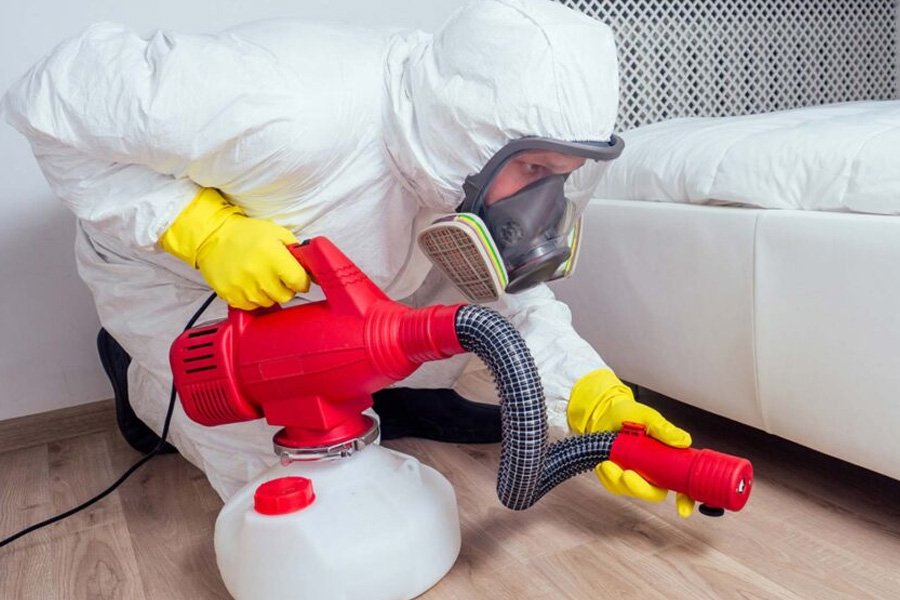
Bed Bug Extermination: Innovations and Challenges
Bed bugs, scientifically known as Cimex lectularius, have been a persistent pest problem for centuries, known for their ability to thrive in human environments and their notorious resilience against extermination efforts. As global travel and urban living increase, so does the spread of these pesky insects. This article delves into the latest innovations in bed bug extermination and the ongoing challenges faced by pest control professionals.
The Bed Bug Resurgence
In recent decades, bed bugs have made a significant comeback, largely due to factors like international travel and the banning of certain pesticides. These insects are experts at hiding, making them difficult to detect until an infestation is well underway. The resurgence of bed bugs has prompted the pest control industry to develop new strategies and tools to combat these resilient pests.
Innovative Extermination Techniques
Modern technology has paved the way for innovative extermination techniques that are more effective and environmentally friendly than traditional methods. Here are some of the latest advancements:
- Heat Treatment:Bed bugs cannot survive at temperatures over 120°F (49°C). Heat treatment involves using specialized equipment to raise the temperature of an infested area, effectively killing bed bugs at all life stages.
- Cryonite Treatment:This method uses carbon dioxide snow to freeze and kill bed bugs on contact. It is particularly effective for sensitive environments like hospitals and schools, where chemical treatments may not be suitable.
- Integrated Pest Management (IPM):IPM combines multiple strategies, including monitoring, prevention, and targeted application of pesticides, to manage bed bug populations sustainably.
- Canine Scent Detection:Specially trained dogs can detect the scent of bed bugs with remarkable accuracy, making it easier to identify and treat infestations.
Challenges in Bed Bug Extermination
Despite these innovations, bed bug extermination remains fraught with challenges. One major issue is the development of resistance to common pesticides, which can render chemical treatments ineffective. Additionally, bed bugs are highly adaptable and can quickly spread from one location to another, complicating eradication efforts.
Public awareness and education are crucial in managing bed bug infestations. Homeowners and businesses must be vigilant in identifying and responding to the early signs of an infestation to prevent widespread problems. Collaboration between pest control professionals and clients is essential for effective management.
The Role of Professional Pest Control Services
Professional pest control services play a vital role in combating bed bug infestations. Companies like Scout Pest Control offer a range of services, including Termite treatment Huntsville, to address various pest issues. Their expertise and access to advanced technologies make them an invaluable resource for anyone facing a bed bug problem.
Conclusion
The battle against bed bugs is ongoing, and while significant progress has been made in developing innovative extermination techniques, challenges remain. As pests continue to adapt, the pest control industry must also evolve, exploring new methods and technologies to stay ahead. Collaborative efforts among pest control professionals, property owners, and researchers are essential to effectively manage and eradicate bed bug infestations.