

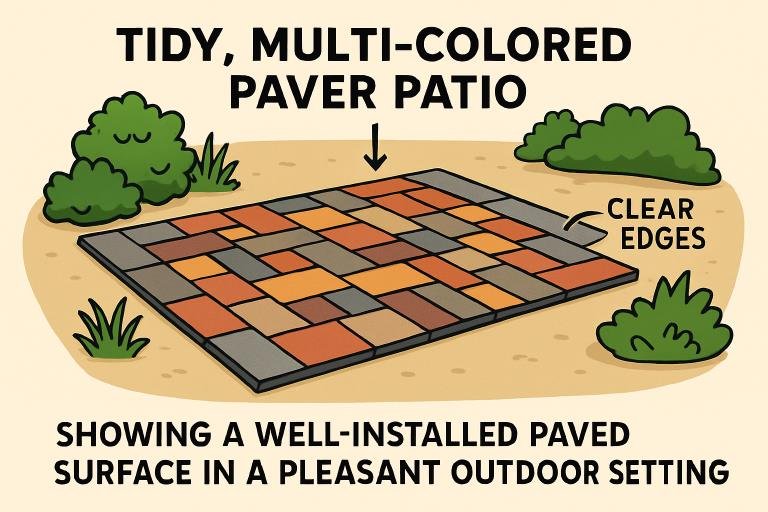
Meticulously executed paver installations provide both durability and beauty, making your investment worthwhile for years to come. Whether you are planning a new patio, driveway, or pool deck, following proven steps ensures lasting results that hold up to weather, traffic, and time. When considering options, pool pavers deliver both style and substance for wet environments and outdoor living areas.
The right approach combines careful planning, correct material selection, precise installation, and ongoing maintenance. With attention to detail, your paved surfaces resist shifting, cracking, weed intrusion, and other common issues that undermine the lifespan of hardscaping projects.
Planning and Design
The foundation of any long-lasting paver project is a thorough design plan. Accurately measuring your space, visualizing the finished pattern, and anticipating functional needs are essential to making wise decisions. Sketch the desired shape, edge lines, and potential obstacles. Consider how people will move through the area and whether your plan fits the contours of your landscape.
Factor in factors such as elevation changes, surrounding vegetation, and exposure to sun or shade to avoid layout mistakes. A professional site plan is beneficial for large or technically challenging projects.
Choosing the Right Materials
Matching paver type to your project’s environment and usage drastically affects how well your paving holds up. Concrete pavers offer versatility, a wide range of colors, and affordability, making them ideal for busy patios or walkways. For those seeking a more natural look, stone pavers provide character and slip resistance, which works exceptionally well in garden settings.
Driveways require extra attention, so select only pavers with load-bearing ratings to withstand vehicle weight. For wet locations such as pool decks, prioritize pavers with textured surfaces and high slip resistance. According to Better Homes & Gardens, compatibility with your home’s architectural style and climate should also guide your material selection.
Proper Excavation and Base Preparation
A robust sub-base ensures stability and prevents shifting or sagging. Begin by excavating the entire paver area to the required depth, which varies according to use—generally 4 to 6 inches for walkways and patios, and up to 12 inches for driveways. Remove all topsoil and any organic material to avoid settling after installation.
Add a layer of landscaping fabric to suppress weed growth, then compact a layer of crushed stone or gravel. Use a plate compactor between base layers to achieve optimal compaction and ensure stability. This careful preparation is critical for durability and performance, especially in areas with varying soil types or freeze-thaw cycles.
Ensuring Effective Drainage
Avoid water problems by integrating drainage solutions, such as slope and permeable pavers. All paving surfaces should slope gently away from buildings, typically one-quarter inch per foot, to encourage water to flow off the area. In rainy climates or around pools, installing French drains or using permeable pavers to allow water to pass through the joints is especially effective.
Standing water leads to erosion, heaving, and paver loosening. Drainage design not only protects your investment but also promotes safety and comfort for everyone enjoying your outdoor spaces. The Houzz guide discusses various drainage methods that increase the lifespan of landscaping.
Installation Techniques
After the base is ready, spread a uniform one-inch layer of coarse bedding sand. Avoid fine or powdery sands, which do not compact as well. Screed the sand evenly for a flat surface. Lay pavers tightly in your chosen pattern, using string lines or spacers to maintain straight lines and consistent joint widths. Tap each paver into place and make adjustments before compaction.
Once the area is fully paved, run a plate compactor over the surface to settle the stones into the sand bed. This step locks the pavers in position and creates a cohesive finished surface. Cut edge pavers carefully to fit with a wet saw or masonry chisel for a professional appearance.
Joint Stabilization
Filling joints is crucial for stability and weed prevention. Use high-quality joint sand or polymeric sand, which hardens and resists erosion when exposed to water. Sweep sand thoroughly into the joints and tamp with a compactor to ensure complete coverage, then lightly wet the surface to activate polymeric sand if used.
Well-filled joints also deter ants and prevent shifting. Inspect the joints annually and refill as needed, especially in high-traffic areas.
Sealing and Maintenance
Sealants provide an effective barrier against weather, stains, and fading while enhancing the pavers’ color vibrancy. Select a breathable, UV-resistant product and reapply every two to three years. Maintain clean surfaces by sweeping regularly and washing away dirt and organic debris.
Inspect annually for loose pavers or shifting, and adjust or add joint sand as needed. Tackle weeds promptly to keep the paved area looking its best and performing at its peak.
Common Mistakes to Avoid
- Inadequate Base Preparation:Too-thin or poorly compacted bases are the primary source of paver failure. Take the time to prepare a strong foundation.
- Poor Drainage Planning:Skipping drainage can allow water to undermine even the best-laid pavers. Always grade surfaces and, when necessary, incorporate drains.
- Insufficient Curing:Rushing through setting, compaction, or polymeric sand activation compromises stability. Allow materials to cure according to the manufacturer’s instructions.
Meticulous planning, skilled installation, and regular care are the keys to paver projects that last for decades. These time-tested practices ensure your outdoor spaces remain functional, safe, and beautiful well into the future.


