As more homeowners aim for sustainable and energy-efficient living, heat pumps are emerging as top choices for both heating and cooling. A properly installed heat pump can significantly cut electricity usage and boost indoor comfort. If you’re searching for the best heat pump installation in Ottawa, ensuring proper installation is critical to long-lasting, optimal system performance.
Yet, even the most advanced heat pump won’t deliver on its promises without meticulous planning and adherence to installation best practices. This comprehensive guide covers everything from what a heat pump is to navigating financial incentives, so you can make informed decisions and avoid costly mistakes.
Whether you’re a homeowner, contractor, or curious about improving your energy efficiency, read on for a detailed overview of essential heat pump installation steps and errors to avoid. Proper installation means less stress, lower energy bills, and a more comfortable home year-round.
To understand the full impact of correct installation and troubleshooting, it’s helpful to check comparison insights and expert opinions.
Understanding Heat Pumps
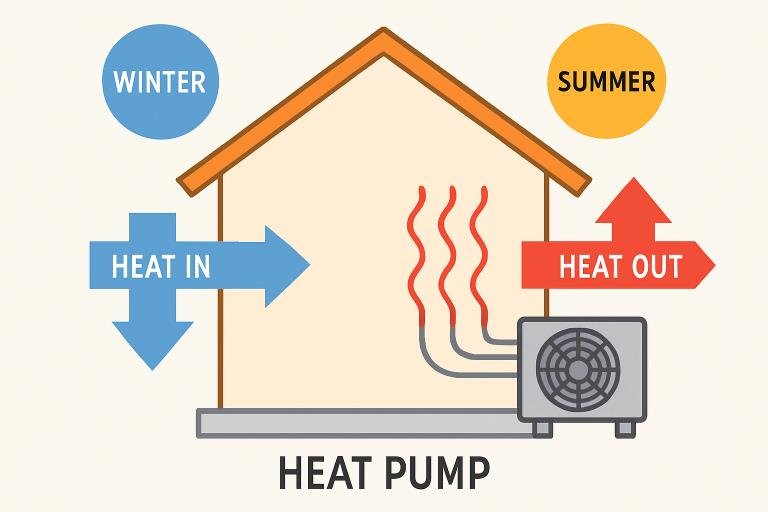
Heat pumps are innovative systems that transfer heat between indoor and outdoor spaces. In colder months, they extract heat from the outside air, even in cold climates, and transfer it indoors. In summer, the system reverses, pushing heat from inside out to cool your home. This dual capability makes them an efficient alternative to traditional furnaces and air conditioners.
What sets heat pumps apart is their energy efficiency. According to the U.S. Department of Energy, they can reduce heating electricity use by up to 50%, making them especially suitable for energy-conscious households. Their versatility and cost-effectiveness continue to drive their increasing adoption in both new constructions and retrofit projects.
Pre-Installation Considerations
Successful heat pump installation starts with thorough preparation. Assessing home insulation and sealing air leaks is essential. Heat pumps work best in spaces that retain temperature well. Upgrade insulation where needed and ensure windows and doors are properly sealed to minimize energy loss.
Choosing the correct heat pump size and type is just as important. An under- or oversized unit can lead to excessive cycling, uneven temperatures, noise, and a shortened lifespan. Consulting with a professional who uses industry-standard load calculation methods ensures your system matches your home’s unique requirements.
Best Practices for Installation
- Conduct a Load Calculation:Accurate sizing starts with a Manual J load calculation that accounts for your home’s square footage, climate, insulation, and orientation. This process prevents the all-too-common mistake of choosing a unit based solely on square footage recommendations.
- Proper Placement:The outdoor unit’s location affects efficiency. Place it somewhere with ample airflow, clear from shrubs, tight corners, or items that may restrict circulation or accumulate debris. Adequate clearance aids performance and eases future maintenance.
- Ensure Correct Refrigerant Charge:Charge the system with the manufacturer-specified amount of refrigerant. Too much or too little can harm efficiency, increase wear, and even cause breakdowns.
- Seal Ductwork:Leaky ducts reduce system efficiency and can cause comfort issues. Ensure all ductwork is properly sealed and insulated, especially in unconditioned spaces like attics or crawl spaces.
Common Installation Mistakes
Several pitfalls can impact system performance and warranty coverage if overlooked during installation. Avoid the following errors wherever possible:
- Skipping Load Calculations:Relying on rough estimates or rule-of-thumb sizing can leave your system inefficient and expensive to operate.
- Poor Unit Placement:Locating the outdoor unit in shaded, cluttered, or poorly drained areas can lead to chronic maintenance issues and diminished capacity.
- Ignoring Manufacturer Guidelines:Disregarding specifications or recommended installation practices can void warranties and shorten the system’s lifespan.
- Improper Electrical Connections:Failing to ensure proper electrical load, grounding, and disconnects can cause ongoing operational problems or even pose safety hazards.
Post-Installation Maintenance
After installation, ongoing maintenance is essential to keep your heat pump operating efficiently for years. Homeowners should:
- Clean or replace air filters monthly, or more frequently during periods of heavy use.
- Schedule annual inspections to check and clean coils, fans, and drainage systems.
- Keep the outdoor unit free of leaves, snow, and debris to maintain proper airflow.
- Monitor for unusual noises, ice buildup, or reduced performance, and address issues promptly.
Enrolling in a professional maintenance plan can further prolong your system’s life and reduce the risk of unexpected repairs.
Financial Incentives and Regulations
Numerous incentives are available to make heat pump installations more affordable. In the U.S., federal programs provide tax credits for high-efficiency heat pumps, and many regional authorities offer rebates or financing. For Canadian homeowners, provincial programs and municipal incentives can also offset costs. Always consult your local utility or government websites for the latest programs and qualifying system criteria.
Conclusion
Heat pumps are transforming how we heat and cool our homes, offering cost-effective, eco-friendly comfort year-round. With careful planning, adherence to installation best practices, and ongoing maintenance, you will ensure your heat pump operates at peak efficiency. Avoiding common pitfalls and staying informed about financial incentives makes this investment even more attractive for today’s energy-conscious homeowner.