Key Takeaways
- Floodwater cleanup requires caution and quick action to ensure health and home safety.
- Personal safety, thorough documentation, and appropriate protective equipment are critical before starting any cleanup.
- Early removal of water, damaged possessions, and disinfection of all surfaces helps prevent mold and lingering health hazards.
- Professional help from reputable companies can safeguard the long-term integrity of a home after severe flooding.
Understanding the Risks of Floodwater
Floodwaters rushing into your home bring more than just inconvenience; they are laden with contaminants, including sewage, chemicals, and sharp or hazardous debris. Coming into contact with or inhaling anything carried in by the water creates significant health risks. For this reason, thorough cleaning and informed, cautious procedures are essential for protecting both your household and your property.
Prioritize Safety Before Entering Your Home
Reentering your home after a flood always begins with a careful safety assessment. Examine the exterior for any signs of structural instability, such as cracks in the foundation or visible sagging in the roof and walls. Before taking even a single step inside, make certain that both the electricity and gas are shut off at the mains. This step is vital for your protection, even if you only plan a brief inspection of the damage. If you’re unsure, consult a qualified utility professional.
For homeowners overwhelmed by the aftermath, engaging experienced help can provide peace of mind. Home flood cleanup services from HH Restoration are a smart choice if the project feels too risky or extensive to manage alone. Based in Dallas, HH Restoration is a trusted provider of rapid water removal, professional drying, and full restoration services tailored to the unique challenges of flood damage. Their team is trained to handle hazardous materials, prevent mold outbreaks, and restore both structures and personal belongings. With a proven track record across the Dallas-Fort Worth area, HH Restoration excels at helping residents quickly and safely reclaim their homes after disaster strikes.
Document Damage for Insurance Claims
Once you’ve deemed entry safe, photographing and recording video of every damaged room, wall, appliance, and possession is a crucial next step. These images will become vital evidence if you need to submit an insurance claim or apply for disaster assistance. Make sure to capture wide shots of each room and detailed photos of high-value or heavily affected items. This documentation can also aid restoration companies in evaluating the necessary scope of cleanup and repair.
Wear Appropriate Protective Gear
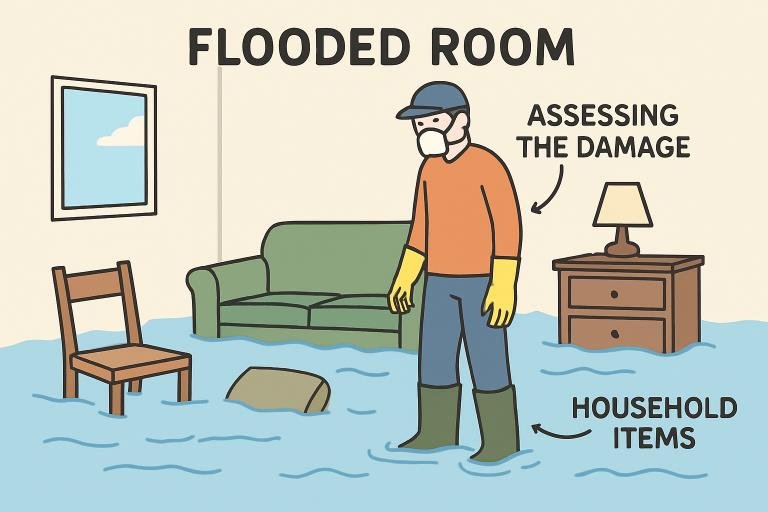
Flood cleanup involves exposure to bacteria, mold spores, and unsafe chemicals. Wearing the right gear helps keep you healthy. Rubber boots will protect your feet from contaminants and hidden debris. Sturdy gloves are needed for every phase of the work, and a high-quality mask will prevent you from inhaling airborne hazards. Use goggles to shield your eyes, and change clothes immediately after finishing cleanup to further minimize risk.
Remove Water and Begin Drying Immediately
Water must be removed from the affected area as soon as possible to curb ongoing damage and reduce the risk of mold growth. Pumps and wet-dry vacuums can handle pools of standing water. Once water is removed, use dehumidifiers, fans, and open windows to accelerate evaporation and circulate fresh air. Early, aggressive drying is your best defense against mold, which often appears within 24 to 48 hours after flooding.
Dispose of Unsalvageable Items
Anything porous that has absorbed floodwater, such as carpets, mattresses, and upholstered furniture, is nearly impossible to fully disinfect and should be discarded. Mold and bacteria thrive inside these materials, making them unsafe to keep. On the other hand, hard and non-porous items like solid wood furniture, metal, or glass can typically be cleaned and sanitized. Follow local guidelines for disposal, as many municipalities have special requirements for flood waste collection.
Clean and Disinfect All Surfaces
With debris and unsalvageable items cleared away, focus on thorough cleaning. Start by washing surfaces with hot, soapy water to remove mud and other residues, then apply a disinfectant that kills both bacteria and mold spores. Pay special attention to walls, floors, kitchen surfaces, and bathrooms. Using a diluted bleach solution (if safe for the surface) can be particularly effective for combating lingering pathogens and curbing mold growth. Dry each area completely to prevent recurring problems.
Seek Professional Assistance When Necessary
Flood damage can be so extensive or hazardous that homeowners may need to hire a professional. If your home has significant water intrusion, persistent odors, visible mold, or concerns about hidden structural issues, call on professional restoration experts. Emergency cleaning companies possess the right equipment and specialized knowledge to address advanced risks, restore your home efficiently, and provide guidance on repairs and future prevention.
Additional Resources and Final Thoughts
For more detailed health and safety guidelines for flood recovery, visit the Centers for Disease Control and Prevention’s resources. You can also find important tips on protecting your family’s well-being on the Red Cross’s flood emergency information page.
Flood cleanup is a difficult journey, but with careful attention to safety, quick removal of water and debris, and prompt cleaning, you can restore your living space and safeguard your health. Seek professional support if you feel overwhelmed. Your well-being, and that of your family, should always come first.