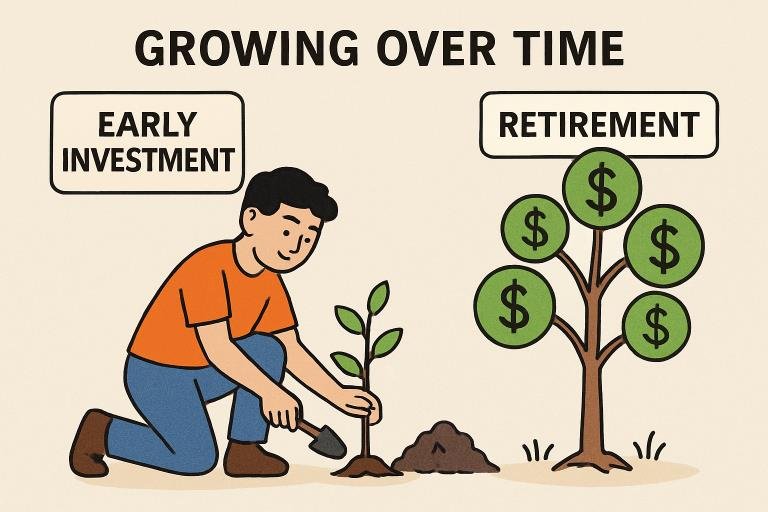
Planning for retirement is an essential investment in your peace of mind and long-term security. As life expectancy continues to increase and the economic landscape grows more uncertain, taking control of your financial future is more vital than ever. Beginning your retirement planning early lets you leverage compounding, giving your money the maximum time to grow while also providing a safety cushion against unexpected emergencies and market fluctuations. Experienced professionals, such as David Stone Stifel, offer invaluable guidance, sharing strategies based on years of experience to help you navigate the often-complex terrain of retirement planning and shape a financial roadmap tailored to your goals and circumstances.
Early retirement planning is about more than building wealth—it’s about crafting the kind of retirement lifestyle you envision, whether that means traveling the world, spending time with grandchildren, or simply enjoying a worry-free daily routine. When you start planning early, you create opportunities to make thoughtful decisions about your savings, investments, and career, which will help align your financial choices with your long-term dreams. By understanding the steps involved, exploring the tools available, and learning from others’ mistakes, you’ll be equipped to move forward with confidence and lay the groundwork for a secure, enjoyable retirement.
Understanding Retirement Needs
Experts recommend that most individuals aim to replace 70% to 90% of their pre-retirement income to maintain a comparable quality of life once they stop earning a regular paycheck. This projection factors in ongoing household bills, daily expenses like food and transportation, healthcare services, which can often be a significant cost in later years, plus discretionary items such as hobbies, entertainment, and travel. Carefully estimating your anticipated expenses forms the bedrock of effective retirement planning, and it is vital to adopt a thorough approach that accounts for the changing nature of costs throughout retirement. For instance, while some expenses might decline, such as commuting costs, others, like medical care or support for family members, can rise unexpectedly. According to Investopedia, understanding your future income needs and structuring your savings accordingly is essential for maintaining financial security throughout retirement.
A realistic budget provides a critical foundation. Begin by tracking your current spending across various categories, then consider how each might evolve after retirement. Inflation must be given serious attention because even modest inflation can significantly erode the purchasing power of your savings over a retirement that could last decades. Furthermore, healthcare costs tend to outpace inflation, making it doubly important to create a buffer for potential medical expenses, long-term care, or out-of-pocket treatments.
Benefits of Early Planning
- Compounding Growth:The magic of compounding interest multiplies your savings as interest earns more interest over time. This snowball effect is most potent when initiated early, making even small, consistent contributions to retirement accounts extremely valuable in the long run. Those who begin investing in their twenties or thirties can potentially amass significantly larger nest eggs than those who start later, even if the latter contribute more money overall but for a shorter period. According to Forbes, starting early allows your investments to grow exponentially over time, giving you a substantial advantage.
- Flexibility:When you begin planning for retirement early, you gain the luxury of time, which translates into flexibility. If life throws you a curveball—such as job loss, illness, or unplanned family responsibilities—you have time to adjust your strategy without serious repercussions. Early planning also allows you to explore a broader range of investment opportunities, respond to market conditions, and periodically tweak your portfolio to optimize for changing goals or risk tolerance. Whether you decide to retire earlier than planned or opt to work part-time into your golden years, the flexibility created by starting early allows you to make these choices with confidence.
- Reduced Stress:Creating and following through on a retirement plan provides emotional and psychological benefits, reducing anxiety about the future. You’re able to approach retirement as a period of opportunity, rather than uncertainty. This peace of mind carries real value, allowing you to enjoy your present while maintaining assurance about your financial future, knowing you have a thoughtful, adaptable plan in place that provides a reliable safety net.
Common Mistakes to Avoid
- Underestimating Expenses:One of the most frequent errors people make when preparing for retirement is misjudging their future spending needs. While it’s tempting to assume costs will decrease, critical expenses such as healthcare, long-term care, and inflation are often underestimated or overlooked entirely. Ignoring these can lead to shortfalls that impact your standard of living later on, so it’s important to create a conservative estimate and regularly review it as your circumstances evolve.
- Overreliance on Social Security:Social Security was designed as a supplement to other sources of retirement income, not as a sole source of support. Currently, these benefits replace only about 40% of the average income, and with the uncertain future of Social Security funding, depending exclusively on it is a risky proposition. Diversifying your income sources ensures greater stability and more freedom to make lifestyle choices without financial worry.
- Neglecting Diversification:Relying heavily on a single asset type or failing to diversify investments exposes your portfolio to unnecessary volatility. Market downturns or sector-specific slumps can wipe out major chunks of savings if your assets aren’t well-balanced. Good diversification across stocks, bonds, real estate, and other asset classes helps protect your wealth and smooth out potential losses, ensuring more consistent returns across market cycles.
Strategies for Effective Retirement Planning
To achieve a secure and fulfilling retirement, consider implementing the following strategies:
- Set Clear Goals:Define what retirement looks like for you—where you’ll live, how you’ll spend your days, and what experiences you value most. Once you’ve visualized your desired lifestyle, research the associated costs and set specific, measurable savings targets. This clarity will guide your investment decisions and help keep your plan on track even as your circumstances change.
- Maximize Employer-Sponsored Plans:If your employer offers a retirement plan like a 401(k) or similar, participate fully and contribute enough to receive the full company match. Tax benefits, such as deferred taxes on contributions, and the added boost from employer-matched funds, can significantly accelerate your retirement savings. The earlier you start, the greater the benefits from long-term market growth and compounded returns.
- Diversify Investments:Spreading your investments across a mix of asset classes—stocks for growth, bonds for stability, real estate for income or appreciation, and other vehicles—protects your retirement portfolio from the adverse effects of market volatility. Each asset class responds differently to economic events, so a well-diversified portfolio is key to balancing potential growth with acceptable risk levels as you advance toward retirement age.
- Regularly Review and Adjust:Retirement planning is not a one-time task; it is an ongoing process. Regularly review your portfolio and savings rates to ensure they remain consistent with your goals and make adjustments as needed, especially after major life events such as job changes, marriage, or starting a family. Keeping abreast of changing market conditions and evolving your approach is essential to staying on track. Resources provided by trusted sources like Kiplinger can offer deeper insight into asset allocation and best practices for revisiting your retirement plan.
Role of Financial Advisors
Partnering with a knowledgeable financial advisor can add immense value to your retirement planning process. Advisors offer tailored advice that accounts for your specific goals, income, and risk tolerance, helping to demystify the process and optimize your strategy for both tax efficiency and portfolio growth. They help prevent emotionally driven decisions that can sabotage your plans, particularly during volatile markets, and can recommend sophisticated approaches such as strategic rebalancing, tax-efficient withdrawal methods, and retirement income sequencing. Working with a professional also frees you from the burden of managing every detail yourself, ensuring that your retirement plan remains adaptive and effective as your circumstances and the economic environment change over time.
Conclusion
Beginning your retirement planning early is a wise and empowering move, providing access to numerous opportunities and strategies for a comfortable, stress-free future. By carefully assessing your anticipated needs, remaining aware of everyday challenges, and implementing effective strategies, you can build a solid plan that transforms your retirement aspirations into attainable goals. Continuously staying informed, consulting professionals when necessary, and regularly reviewing your progress are key to ensuring your financial future is not only secure but also enriched with possibilities for personal fulfillment, relaxation, and enjoyment.