Key Takeaways
- Achieving mastery in dribbling, passing, and shooting paves the way for advanced basketball skills.
- Tailoring training by age group boosts engagement and reduces injury risk for athletes.
- Consistent practice and constructive feedback fuel faster, more meaningful improvement.
- Support from parents and creating disciplined routines are vital for young athletes to thrive.
Basketball stands as one of the best sports for developing not only athletic ability but also mental discipline and teamwork. Players of every age group—from emerging young athletes to adults seeking to refine their abilities—can reap lifelong benefits by honing fundamental skills through targeted drills and effective routines. For those seeking the best local resources, basketball training in Loudoun County, VA, offers a variety of skill-building opportunities tailored to different age groups and experience levels.
Success on the basketball court is rooted in mastering the foundational elements: dribbling, passing, and shooting. Structured training that matches a player’s age and developmental stage ensures sustained enthusiasm, steady progress, and minimal risk of injury. With guidance from coaches, the support of families, and access to community resources, every player can develop into a confident and skilled athlete.
Importance of Fundamentals
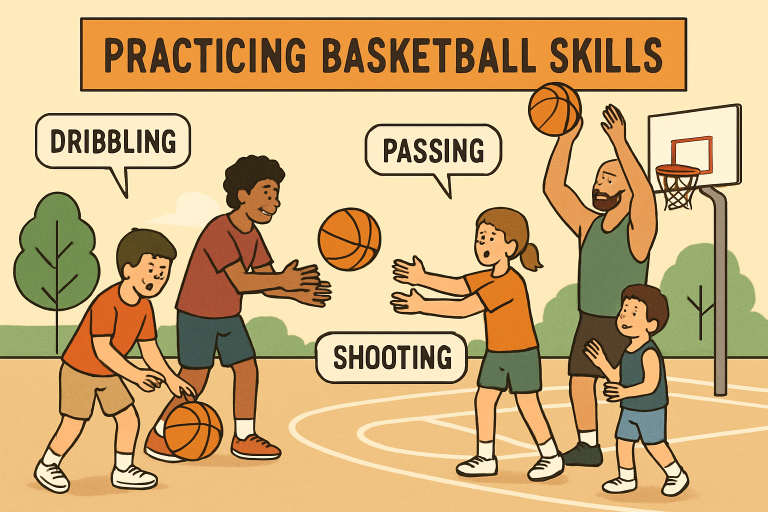
Laying a foundation in basketball begins with a relentless focus on the fundamentals. Players who excel in higher levels of competition almost universally share a commitment to mastering basic skills. These include dribbling, which allows a player to control the flow of play; passing, which builds connections between teammates; and shooting, the ultimate goal of offensive play. When athletes develop effective habits early on, they gain the confidence and coordination necessary to tackle more advanced strategies in the future. Focusing on fundamentals also reduces the pitfalls of bad habits, ensuring longevity in the sport.
Age-Appropriate Training Methods
Younger athletes thrive best under training strategies that prioritize fun, engagement, and variety of skills over intense competition. Raising the height of the basket or increasing the complexity of drills too soon can discourage growth and increase the risk of frustration or injury. Instead, simplified rules and lower baskets can help young players practice accuracy and coordination. For teenagers and adults, expanded training programs can introduce elements such as strength training, agility routines, and game strategy to foster well-rounded development and keep practices relevant to a player’s evolving needs. Research from The New York Times Wellness section emphasizes the significance of developmental appropriateness in youth athletic programs for preventing burnout and injury.
Dribbling Techniques
Effective dribbling enables players to navigate defenders, orchestrate plays, and create scoring opportunities. Foundational drills such as the Four Cone Dribbling Drill, which encourages agility by requiring players to weave through a square of cones, promote quick footwork and precision. Similarly, the Zig-Zag Dribbling Drill includes challenges that require players to maneuver around defenders at varying angles, sharpening both speed and control. Over time, such exercises develop muscle memory, aiding confidence when handling the ball under pressure—a skill crucial for every position on the court.
Passing Skills
Great teams are built on players who can share the ball efficiently. Practicing a variety of passes—such as chest, bounce, and overhead—ensures that players can adapt to real-time challenges during games. Partner Passing drills focus on developing accuracy and timing with a teammate, while Circle Passing drills engage the entire team’s awareness and reaction time. Mastery of these skills minimizes turnovers and allows complex plays to unfold, transforming novice players into valued contributors on the court.
Shooting Mechanics
Consistent and accurate shooting comes from diligent attention to detail. Athletes should build shooting routines around fundamental mechanics: keeping their feet balanced, aligning the elbow under the ball, and finishing with a strong follow-through. Drills such as Form Shooting, Free Throws, and Spot Shooting from various locations strengthen both skill and mental focus under pressure. Maintaining a shooting journal, where athletes record their accuracy and set personal goals, can help identify trends and spur continued improvement. For further reading, consult resources from the Sports Illustrated NBA section, which regularly breaks down top players’ shooting mechanics and practice habits.
Building Resilience Through Teamwork
Basketball fosters life skills that extend well beyond the physical, including mental resilience, teamwork, and composure during high-pressure moments. Successful teams excel through open communication, a mutual understanding of roles, and unwavering support for one another. Coaches can strengthen these qualities by encouraging honest feedback sessions, setting collective goals, and sharing responsibility for team outcomes. When setbacks occur, constructive reframing of challenges as growth opportunities helps athletes persevere and bounce back stronger.
Personalized Feedback for Growth
Each athlete brings unique strengths and areas for development. While group drills are vital, personalized feedback transforms practice into a springboard for rapid improvement. Coaches might use one-on-one sessions, video analysis, or skills assessments to tailor instruction. Reinforcing progress with positive feedback—such as celebrating tough rebounds or creative passes—bolsters each player’s confidence and motivates them to embrace both challenges and triumphs as integral parts of their journey.
Parental Involvement and Healthy Routines
For young players, the support and involvement of parents are invaluable. Modeling healthy routines at home—including regular sleep, balanced nutrition, and an openness to new experiences—paves the way for discipline on the court. Parents can encourage active play by organizing simple competitions, implementing reward systems, or hosting friendly tournaments with peers or siblings. These activities not only reinforce skill development but also create positive, lasting memories that strengthen family bonds.
With a focused commitment to skill development, supportive coaching, and family engagement, basketball players of every age can enjoy the rewards of confidence, athletic growth, and lasting teamwork. The right combination of training, feedback, and community support transforms the basketball experience into a path of lifelong learning and achievement.