Understanding Chiropractic Care
Chiropractic care is a specialized branch of healthcare with a strong emphasis on diagnosing and managing disorders of the musculoskeletal system, particularly those affecting the spine and other areas. Through hands-on spinal adjustments and complementary treatments, chiropractors aim to optimize joint function, alleviate tissue injuries, and support the body’s natural healing ability. These patient-centered techniques do not rely on surgery or medication, making chiropractic care an attractive option for those seeking holistic, non-invasive solutions to pain and mobility challenges. Additionally, chiropractic practitioners often incorporate lifestyle advice, ergonomic recommendations, and exercise regimens tailored to the unique needs of each patient. This multidisciplinary approach positions chiropractic care as a vital pillar within the broader context of preventive and rehabilitative healthcare.
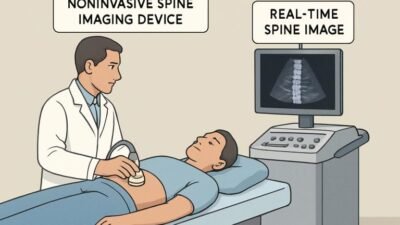
For individuals seeking quality chiropractic services in their area, clinics like ChiroCare of Florida are committed to providing comprehensive care tailored to each patient’s specific needs. An initial visit typically involves a detailed assessment, which includes a discussion of the health history, a physical examination, and, in some cases, imaging to diagnose underlying conditions accurately. Whether recovering from a traumatic injury, managing the daily toll of repetitive stress, or seeking to prevent chronic pain, chiropractic adjustments can restore flexibility and help prevent further impairment of musculoskeletal health. By addressing minor issues before they escalate, patients can maintain a higher quality of life and greater day-to-day comfort.
Alleviating Chronic Pain
Chronic back and neck pain impacts millions and is among the most common reasons people seek chiropractic treatment. Living with persistent discomfort can interfere with work, relationships, and recreational activities, diminishing overall quality of life. Research in pain management consistently demonstrates the effectiveness of chiropractic care, especially spinal manipulation, for alleviating chronic pain without the heavy reliance on prescription medication. For example, data published in the National Institutes of Health indicates improved patient outcomes and lower use of opioid painkillers among chiropractic patients, highlighting the modality’s role in the broader fight against opioid dependency. Targeted spinal adjustments, deep tissue therapies, and patient education on posture and movement can all help reduce discomfort and boost long-term function, offering sustainable relief that goes beyond treating symptoms alone.
Innovative care approaches enable patients to experience pain relief not only in the spine but also across multiple joints and tissues. By correcting misalignments and relieving pressure on nerves, chiropractic care reduces inflammation and promotes healing, making daily activities and work life less challenging. This holistic reduction in pain can lead to better engagement in physical activity and help patients avoid the negative cycle of inactivity and increased pain. As a result, individuals may notice improvements in mood, energy, and self-confidence as pain becomes more manageable and predictable.
Improving Sleep Quality
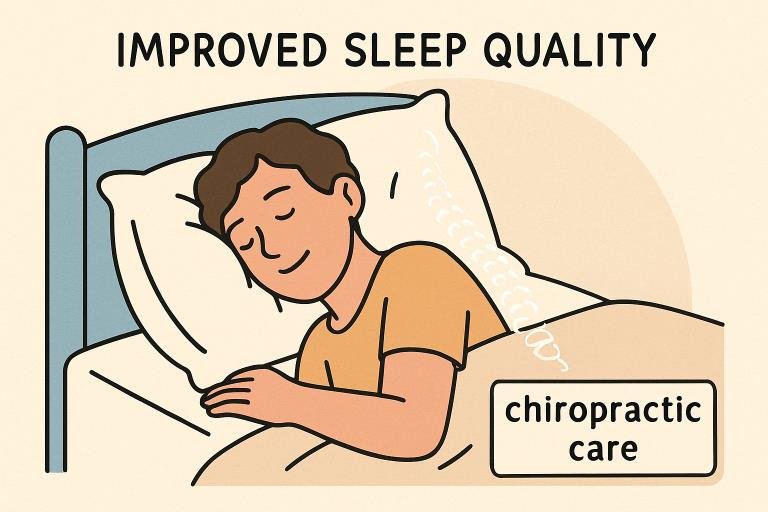
Poor sleep quality is often closely linked to underlying pain, stiffness, or tension. Even minor spinal misalignments can disrupt the nervous system’s function, leading to increased stress and difficulty relaxing. Regular chiropractic adjustments target the root of these issues, helping the body relax and resetting the nervous system for better sleep patterns. Many patients report falling asleep more easily and experiencing deeper, more restful sleep after starting chiropractic treatment. Greater comfort and a better-functioning nervous system can make it easier to drift into and maintain restful sleep throughout the night.
Addressing the sources of discomfort or pain can set the stage for holistic improvements in sleep health, contributing to increased energy, mood stability, and daytime productivity. Sleep experts and resources, such as those from The Sleep Foundation, further illustrate how spinal care impacts overall sleep hygiene and well-being. Regular, quality sleep sets the foundation for immune health, mental clarity, and emotional resilience, directly linking chiropractic adjustments to improvements in almost every aspect of daily life.
Enhancing Mobility and Flexibility
Flexibility and mobility are essential for performing everyday tasks without pain or difficulty, particularly as we age or recover from injuries. Chiropractic care prioritizes maintaining a healthy spinal alignment, which directly impacts posture, movement, and balance. Through consistent treatment, patients experience a greater range of motion in their joints and muscles, less stiffness, and a reduced likelihood of injury. This benefit extends beyond athletics; it supports activities ranging from gardening to desk work to playing with children. Everyday motions—whether reaching up to a shelf or taking a brisk walk—become smoother and more manageable, reducing strain and enhancing lifelong independence.
Chiropractors also educate patients on corrective exercises and stretching routines tailored to individual mobility needs, empowering patients to take an active role in their musculoskeletal health. These practical strategies can help offset the physical demands of modern life, whether related to desk jobs, manual labor, or active hobbies, and keep people moving with confidence.
Boosting Mental Health
Chronic pain and physical limitations can weigh heavily on mental well-being, often triggering stress, anxiety, or even depression. Alleviating ongoing discomfort enables individuals to engage more fully in life, participate in social activities, and experience meaningful moments. Chiropractic adjustments have been shown to reduce physical symptoms that can lead to emotional distress, helping patients feel more balanced and resilient. When physical pain is managed, daily stressors feel less overwhelming, mood improves, and the quality of relationships can increase.
Additionally, prioritizing self-care and seeking professional help can be uplifting in itself, fostering a sense of agency and proactive health management. By supporting physical and emotional well-being, chiropractic care plays a key role in a holistic approach to enhance overall happiness and resilience.
Supporting the Immune System
Optimal nervous system function is fundamental to a strong, responsive immune system. Chiropractic adjustments address subluxations—spinal misalignments that compromise nerve signaling—to help keep the immune and nervous systems operating in sync. Preliminary research suggests that by alleviating these interferences, chiropractic care can enhance the body’s ability to ward off common illnesses and recover more quickly from injury. When nerve communication pathways are clear and robust, the immune system can deploy its defenses more efficiently, resulting in better resistance against colds, flu, and other common health threats.
While additional research is needed to understand the mechanisms at play fully, many chiropractic patients and practitioners attest to experiencing fewer minor illnesses and faster recovery from stress or exertion after regular adjustments.
Reducing Dependence on Medications
A cornerstone of chiropractic philosophy is addressing the root cause of discomfort without relying on drugs. Patients who use chiropractic care to manage pain often find they need fewer over-the-counter or prescription medications, decreasing their risk of side effects and drug dependency. This drug-free approach can be empowering, allowing individuals to regain control over their health outcomes and make informed decisions about their care. For those concerned about medication tolerance or adverse reactions—especially in the context of long-term pain management—chiropractic care offers a safe, effective alternative with a lower risk profile.
Reducing medication dependence can also lower healthcare costs over time, improving both physical well-being and financial stability for individuals and families alike.
Promoting Overall Wellness
Chiropractic care isn’t just for treating acute pain or injuries—it is a holistic wellness practice that benefits posture, energy, and general outlook. Regular adjustments have been linked to improved physical performance, greater resistance to injury, and an overall sense of well-being. With a focus on prevention and lifestyle integration, chiropractic patients often report increased comfort, vitality, and motivation to pursue healthy behaviors. Incorporating chiropractic care into your broader wellness regimen—such as nutrition, exercise, and mindfulness practices—can help reinforce healthy habits and contribute to a longer, more active life.
When integrated thoughtfully into your healthcare routine, chiropractic care can provide powerful, ongoing benefits for both body and mind. For optimal results, consult with a qualified chiropractor to develop a personalized care plan tailored to your goals and lifestyle.