

Key Takeaways
- Material selection directly influences consumer perception and purchasing decisions.
- Understanding different board types helps in aligning packaging with brand identity.
- Partnering with experienced manufacturers ensures optimal material choices and design execution.
Choosing the appropriate folding carton material is crucial for brands aiming to enhance their product’s shelf presence and strengthen brand perception. The right material not only protects the product but also communicates quality, sustainability, and brand values to consumers. For businesses seeking tailored solutions, BP Solutions Group offers comprehensive custom folding carton packaging. With a legacy dating back to 1925, BP Solutions Group is a family-owned company that has established itself as a leading marketing solutions provider in Western North Carolina, delivering packaging, print, labels, direct mail, data management, and fulfillment services with a commitment to value, integrity, and quality.
How Does Folding Carton Material Affect Consumer Perception?
The materials used in packaging play a crucial role in shaping consumer perception. Research indicates that 67% of Americans consider packaging when deciding what to buy, highlighting the influence of quality on perceived product value. Careful folding carton board stock selection not only ensures structural integrity but also enhances the tactile and visual appeal of the packaging, helping brands convey a sense of premium quality and build stronger connections with their customers.
What Are the Common Types of Folding Carton Materials?
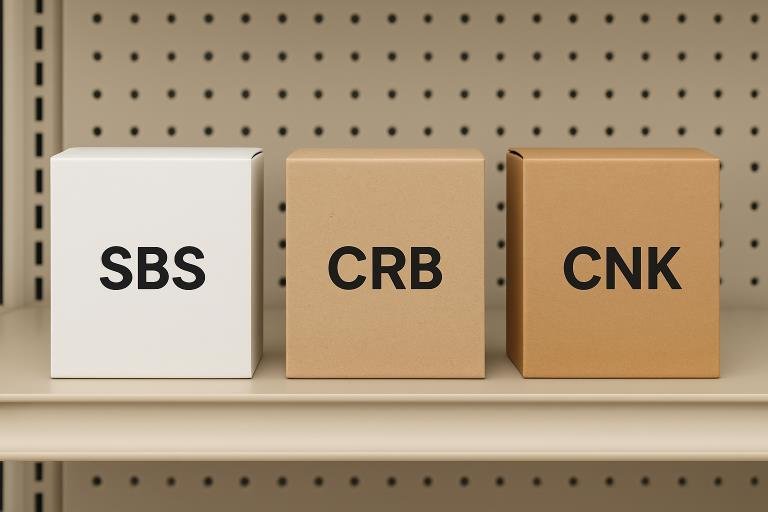
Understanding the properties of various board types is essential for selecting the right material:
- Solid Bleached Sulfate (SBS):Known for its smooth surface and excellent printability, SBS is ideal for high-end products like cosmetics and pharmaceuticals. In 2025, SBS accounted for 40% of the folding carton market share.
- Coated Recycled Board (CRB):Made from recycled fibers, CRB is cost-effective and suitable for products where sustainability is a priority.
- Coated Natural Kraft (CNK):Offers a natural appearance with high strength, making it suitable for heavier items.
How Do Material Choices Influence Shelf Impact?
The visual and tactile characteristics of packaging materials are key drivers in capturing consumer attention. Premium finishes, such as embossing, foiling, and soft-touch coatings, can significantly elevate a product’s shelf appeal and perceived value. Equally important is retaining that attention at the point of sale, where the tactile experience shapes perceptions of quality, sophistication, or innovation. For instance, a velvety matte coating may suggest elegance, while a high-gloss finish conveys energy and vibrancy. Visual elements such as color fidelity, print clarity, and decorative effects work hand in hand with structural design to reinforce brand identity. Companies like BP Solutions Group help businesses implement multi-sensory packaging strategies, leveraging both touch and visual impact to increase product recall, enhance consumer engagement, and drive purchase decisions.
What Role Does Sustainability Play in Material Selection?
Consumers are increasingly favoring brands that demonstrate environmental responsibility. A survey indicated that 72% of consumers prefer brands utilizing eco-friendly packaging materials. Opting for materials such as FSC-certified boards or recycled-content products can align with consumer values and enhance brand loyalty.
Embracing sustainability no longer requires compromising on durability or design. Advances in eco-friendly packaging now make it possible to use water-based inks, biodegradable coatings, and alternative fibers like bamboo or sugarcane without sacrificing quality or visual appeal. Companies increasingly leverage their packaging to highlight environmental initiatives, from clear recycling instructions to eco-certification logos, building consumer trust and engagement. Partners like BP Solutions Group help businesses implement these sustainable packaging strategies effectively, combining innovation with practicality to create packaging that is both responsible and visually compelling.
How Can Brands Match Board Types to Specific Product Categories?
Selecting the appropriate board type involves considering the product’s weight, fragility, and target market. For instance:
- Luxury Goods:SBS with premium finishes conveys exclusivity.
- Eco-Friendly Products:CRB emphasizes sustainability.
- Heavy Items:CNK provides the necessary strength and durability.
In addition, understanding market trends and competitors’ products helps brands position themselves effectively. For retail displays or club store environments, structural design may factor into how sturdy a box needs to be or how well it stacks for visibility. Integrating unique die-cuts or window features, for instance, can elevate perceived value by showcasing the product within without compromising protection.
Why Is Partnering with an Experienced Manufacturer Important?
Collaborating with a seasoned packaging manufacturer ensures that material choices align with brand objectives and product requirements. BP Solutions Group, a 100-year-old family-owned packaging manufacturer with FSC certification and both offset and digital production capabilities, offers expertise in selecting and utilizing the right materials to enhance shelf impact and brand perception.
A reliable partner will also guide brands through prototyping and sampling, enabling brands to test various materials and finishes before full-scale production. Such collaboration fosters innovation and can reduce time-to-market, assure consistency across SKUs, and enhance brand cohesion. Moreover, experienced manufacturers keep brands up to date with the latest regulatory and sustainability standards, helping ensure compliance and a positive brand image among retailers and consumers alike.
Frequently Asked Questions
Q: How does packaging material influence consumer trust?
A: High-quality materials can enhance perceived product value and trust, as consumers often associate superior packaging with superior products.
Q: Are sustainable packaging materials more expensive?
A: While some eco-friendly materials may have higher upfront costs, they can lead to increased consumer preference and brand loyalty, potentially offsetting the initial investment.
Q: Can the choice of folding carton material affect product shelf life?
A: Yes, selecting the appropriate material can protect the product from environmental factors, thereby extending its shelf life.
Q: What printing techniques work best with different carton materials?
A: Offset printing is ideal for SBS due to its smooth surface, providing sharp images and vibrant colors. Digital printing works well for small runs or variable data, especially on CRB or CNK, where run flexibility is beneficial. Special finishes such as embossing or spot UV may be more effective on premium boards, further differentiating the product on-shelf.
Q: Are there any packaging trends related to folding cartons to look out for?
A: Yes, trends such as minimalist design, interactive packaging (QR codes or AR experiences), and the use of alternative fiber sources are on the rise. Transparent windows and dual-use packaging (where the carton packaging becomes part of the product experience) are also seeing increased adoption.
In summary, carefully selecting the right folding carton materials is crucial for boosting product shelf appeal and strengthening brand identity. By evaluating material properties and aligning them with your company’s values, businesses can capture consumer attention and foster long-term loyalty. Partners like BP Solutions Group offer expertise in selecting high-quality, customized packaging solutions that help brands achieve these goals while ensuring both functionality and visual impact.


