Key Takeaways
- Use the correct type of lights for indoor and outdoor environments.
- Thoroughly inspect all lights and cords before installation.
- Practice safe installation to avoid electrical hazards and falls.
- Optimize energy efficiency and be vigilant about fire safety.
- Store lights correctly to prolong their lifespan and functionality.
The holiday season brings families, friends, and neighbors together to celebrate traditions and enjoy festive décor. One timeless hallmark of this period is the glowing brilliance of holiday lights that brighten up homes and streets across Vancouver and beyond. While these displays create a magical atmosphere, homeowners must remember that improper installation or usage can pose serious safety hazards. If you want a beautiful display but aren’t sure where to start, Vancouver holiday lighting professionals can help bring your vision to life safely and efficiently.
Tragically, accidents like fires and electrical shocks peak during the winter season, often due to overlooked safety protocols with holiday lighting displays. It’s essential to adopt smart safety measures from the very start—both to ensure your family’s safety and to protect your property from avoidable damage.
Choose the Right Lights for Indoors and Outdoors
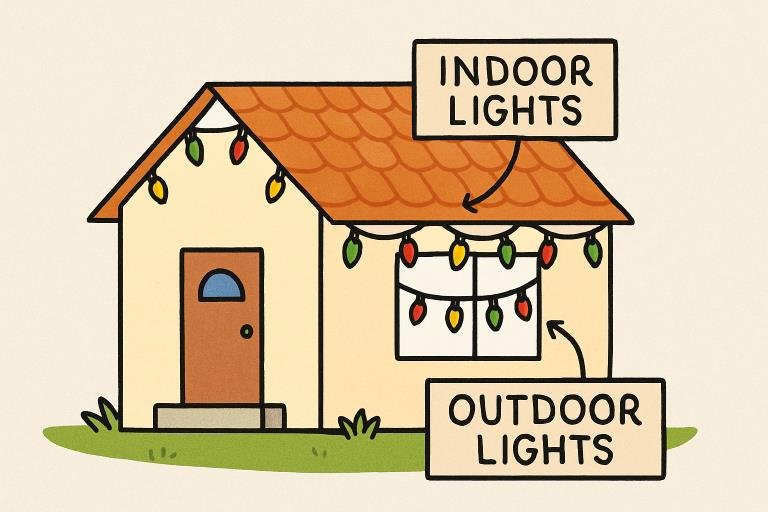
When choosing holiday lighting, consider how specific product designs fare in their intended environments. Indoor lights are constructed for use within the controlled temperature and humidity of a home, and typically lack the insulation required for exterior exposure. Outdoor lights, on the other hand, are engineered to withstand rain, snow, and varying temperatures, making them safer and more durable when used outside.
- Indoor Lights:Intended only for use inside, where they won’t be exposed to moisture or temperature swings.
- Outdoor Lights:Manufactured to resist weather elements, their durability also makes them safe for porch railings, trees, and outdoor façades.
To avoid electrical shocks or fires, always check the packaging and labeling for usage guidance, and never substitute indoor products for exterior use—even on a seemingly protected porch.
Inspect Lights and Cords Before Use
Worn-out and broken wires are a leading cause of electrical fires each winter. Before use, unravel each strand and carefully check wires, sockets, bulbs, and plugs:
- Locate and discard any lights with frayed wires, exposed copper, or cracked insulating material.
- Replace any loose or broken bulbs with those recommended by the manufacturer.
- Only use extension cords marked for your intended environment—outdoor-rated cords have increased durability and water resistance.
Replacing questionable equipment is a small price compared to the risks of using faulty gear.
Safe Installation Practices
Avoid Overloading Circuits
Avoid daisy-chaining too many light strands together, as this can overwhelm home electrical circuits. Always refer to the manufacturer’s maximum connection guidelines—plugging too many into one outlet can overheat and arc, starting a fire. Consider using a power strip equipped with an internal circuit breaker for extra protection.
Use Proper Fasteners
Hang lights with plastic or insulated light clips instead of nails or staples, which can slice through wires and create dangerous short circuits. Fasteners designed specifically for holiday lighting keep cords secure without causing hidden damage.
Protect Extension Cords
Outdoor extension cords should be kept off the ground whenever possible, both to avoid water puddles and to eliminate tripping hazards, especially in high-traffic pathways.
GFCI Outlets for Outdoor Lighting
For outdoor displays, only plug lights and inflatables into Ground Fault Circuit Interrupter (GFCI) outlets. These outlets are designed to instantly cut power in the event of an electrical short or moisture contact, drastically lowering your risk of dangerous shocks.
Energy Efficiency and Fire Safety
- Switch to LED Lights:Modern LED holiday lights use a fraction of the energy consumed by traditional incandescent bulbs, while producing less heat—making them less likely to ignite nearby materials.
- Install Timers:By setting your lights on timers, you ensure everything shuts off automatically at bedtime or sunrise, conservatively managing both power costs and the safety risks associated with overheating from prolonged operation.
- Separate Lights from Flammable Materials:Avoid draping lights directly onto tinsel, fabric, dry foliage, or other highly combustible decorations.
LED lights also last much longer than their predecessors, making them a smart investment for repeat seasons.
Ladder Safety During Installation
Decorating the eaves and roofline is a tradition—ensure it doesn’t become a dangerous one. More than 40% of holiday decorating injuries are caused by falls, many of which are preventable:
- Choose the Right Ladder:Make sure it’s tall enough so you never need to stand on the top step.
- Stabilize the Base:Set the ladder on level, stable ground—never on ice, mud, or makeshift platforms.
- Use the Three Points of Contact Method:Always have two hands and one foot, or two feet and one hand, in contact while climbing or positioning yourself.
- Don’t Overreach:Reposition the ladder as needed to avoid stretching past the rails, which can cause you to lose balance.
Ask someone to spot you or assist as you move the ladder. Safeguarding yourself during installation ensures you can fully enjoy the festive results.
Proper Storage After the Holidays
When the festivities are over, how you store your lights determines how safely and easily you can use them next year:
- Label Each Strand:Store indoor and outdoor lights separately, clearly marked for their purpose.
- Prevent Tangling:Wind lights around storage reels, empty coffee cans, or even pieces of cardboard to keep them in good condition.
- Use Dry, Cool Storage:Keep your lights away from damp basements or hot attics to avoid water damage, mold, or melted plastic insulation.
Proper storage will help your lighting last through another season, reduce waste, and protect your investment.
Final Thoughts
Creating stunning, safe holiday light displays is entirely possible with a bit of preparation and attention to detail. When homeowners choose the right lights, check all equipment, follow best practices for installation and storage, and stay up-to-date with authoritative safety advice, the stage is set for an accident-free and awe-inspiring holiday season for all to enjoy.