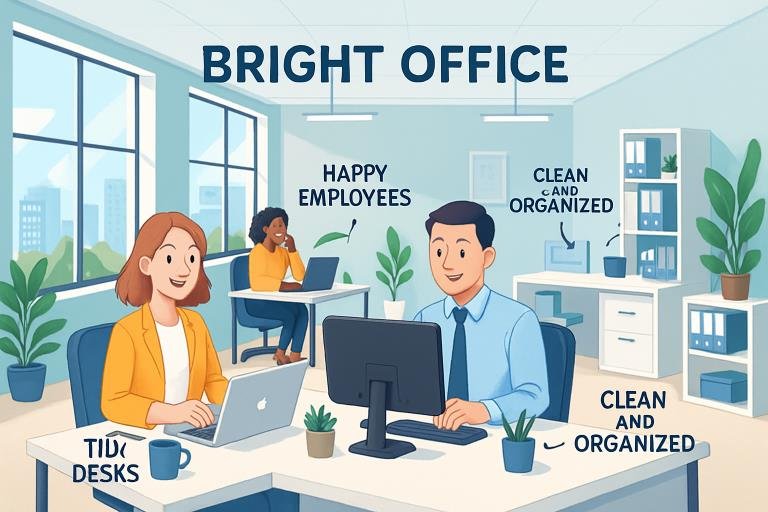
Maintaining a clean and organized workplace is more than just an aesthetic choice; it’s a strategic decision that significantly influences employee wellness and drives higher productivity. When a company invests in commercial office cleaning services, it lays the groundwork for a positive and efficient work environment. A tidy office supports clearer thinking, reduces workplace stressors, and helps build a culture rooted in health and professionalism.
Beyond comfort and habit, the benefits of cleanliness in the workplace have a proven impact on mental clarity, absenteeism, morale, and even a business’s reputation. A commitment to regular cleaning helps ensure uninterrupted workflows, encourages healthy interpersonal interactions, and provides employees with a setting where they feel valued and motivated.
Mental Clarity and Focus
Clutter and disorganization create silent distractions that sap mental energy. Studies have shown that a cluttered environment increases cognitive overload and impairs the brain’s ability to process information, leading to stress and a loss of focus. Employees are far more likely to experience mental clarity and sharpened concentration in a neat, orderly workspace. Clean workplaces also promote pride and ownership, which correlates with increased job satisfaction. This doesn’t require sterile uniformity; personal touches that do not impact shared areas can empower employees to work in ways that suit their personalities and boost productivity.
Reduced Absenteeism
Routine, professional cleaning dramatically decreases the spread of illness. By sanitizing high-traffic and high-touch areas and maintaining good airflow, office germs and allergens can be controlled. Simple steps, such as cleaning bathrooms, keyboards, and shared equipment on a regular basis, help curb the growth of bacteria and viruses that could keep employees at home. According to the Centers for Disease Control and Prevention, maintaining clean surfaces is one of the leading ways to reduce the risk of contagious outbreaks in the office, thereby reducing sick days and unplanned absences.
Enhanced Employee Morale
Morale is built on more than praise and paychecks. The physical environment conveys how much management values its team. Employees entering a spotless, well-maintained space sense care and attention, cultivating a sense of pride and motivation. When workers feel that their needs and well-being are a priority, morale climbs—a critical driver for increased job satisfaction, reduced turnover, and a more positive daily experience for everyone in the office.
Increased Productivity
In fast-paced industries, every minute counts. A messy workspace means wasted time spent searching for documents, tools, or supplies, leading to preventable delays. Research published in the Harvard Business Review has shown that organized and orderly spaces boost output and help workers focus on high-priority tasks. In healthcare, law, and tech sectors especially, even slight boosts in efficiency equate to significant operational gains over the long term. Investing in workplace cleanliness is an investment in smoother, more productive operational flows.
Improved Physical Health
Clean environments sharply reduce exposure to dust, allergens, and bacteria that cause respiratory distress and other health concerns. Improved indoor air quality leads to fewer allergy symptoms, headaches, and fatigue, collectively enhancing day-to-day work performance. There is a robust relationship between physical health and mental well-being; when employees feel good physically, they’re more energetic, motivated, and mentally sharp. This heightened well-being extends to interactions, fostering a healthier overall organizational culture.
Positive Professional Image
A neat and orderly office projects a strong and consistent professional image. Clients, job candidates, and visitors form immediate impressions based on the cleanliness and organization of the space. According to a recent survey by the International Sanitary Supply Association, about 70% of clients report that a clean office makes them feel more confident about doing business with a company. Reputation matters—and presenting a clean workplace signals reliability, attention to detail, and overall competence, providing you with a competitive edge when it comes to winning client trust and respect.
Better Employee Engagement
Employee engagement flourishes when workers recognize and appreciate their organization’s commitment to their well-being. Clean workspaces demonstrate respect for staff and help foster a sense of loyalty. Engaged employees are more likely to go above and beyond, leading to greater innovation and lower turnover rates. According to Gallup research, companies with high engagement levels enjoy 21% greater profitability, much of which can be linked back to thoughtful policies—including good office hygiene practices—that support the entire team.
Encouragement of Collaboration
Teamwork thrives in shared, organized spaces. Conference rooms, break areas, and open-concept desks that are kept clean invite interaction and spontaneous problem-solving. When employees see that communal areas are well-cared for, they are more likely to communicate effectively and build rapport across teams. Maintaining a tidy workplace is an ongoing investment in your organization’s collaborative spirit, leading to new ideas and enhanced productivity as employees feel empowered to work together seamlessly.
Investing in workplace cleanliness extends far beyond simple upkeep. The cumulative benefits—a healthier, more engaged staff, a professional reputation, and operational efficiency—translate into more successful businesses and more satisfied teams. By prioritizing workplace hygiene and organization, companies position themselves to thrive in a competitive marketplace while supporting the well-being and productivity of every employee.