Key Takeaways
- Cold weather can cause structural damage to chimneys and homes.
- Proper maintenance and inspections are essential to prevent issues.
- Understanding the effects of cold weather can help homeowners take proactive measures.
During the winter season, dramatic temperature drops can lead to a variety of structural and safety challenges for homeowners. Frigid conditions put additional strain on both homes and chimneys, which can lead to long-term damage if left unchecked. In areas that experience frequent freezing and thawing, understanding these risks is crucial, especially when searching for reliable chimney repair near me to prevent and fix winter-related issues early. Learning about the effects of winter allows you to take meaningful steps to maintain property value and household safety.
The impact of cold weather on homes and chimneys goes beyond simple wear and tear. It can trigger moisture intrusion, airflow problems within the chimney flue, and even unseen issues that compromise heating system safety. By being proactive, homeowners can not only protect their investments but also ensure healthier indoor air and prevent avoidable hazards. Prevention, maintenance, and timely professional support all play key roles in keeping your home resilient through harsh winters.
Structural Damage from Freeze-Thaw Cycles
Cold weather subjects chimneys and homes to relentless freeze-thaw cycles. When water seeps into tiny masonry cracks during the day and freezes at night, it expands and gradually widens these weak points. Over the season, repeated freezing and thawing can crack mortar joints, loosen bricks, or even cause masonry pieces to detach entirely. These vulnerabilities compromise not only the exterior appearance but also the structural soundness of your chimney and home’s walls. Vigilant visual inspections for cracks or displaced bricks during winter can reveal early signs of these issues and allow for prompt repairs before further damage develops.
Chimney Drafting Issues in Cold Weather
Effective chimney drafting is essential for properly venting smoke and byproducts from your fireplace or stove. However, in extremely cold weather, you might encounter a phenomenon called a “cold plug,” in which cold air settles in the flue and blocks warm air from rising. This situation reduces the efficiency of your home’s heating system and can even allow smoke or harmful gases to seep into your living space. Ensuring your chimney flue is well insulated and that dampers operate smoothly will help reduce these drafting problems. This maintains not only comfort, but also respiratory health during the months you rely most on your fireplace.
Moisture Intrusion and Its Consequences
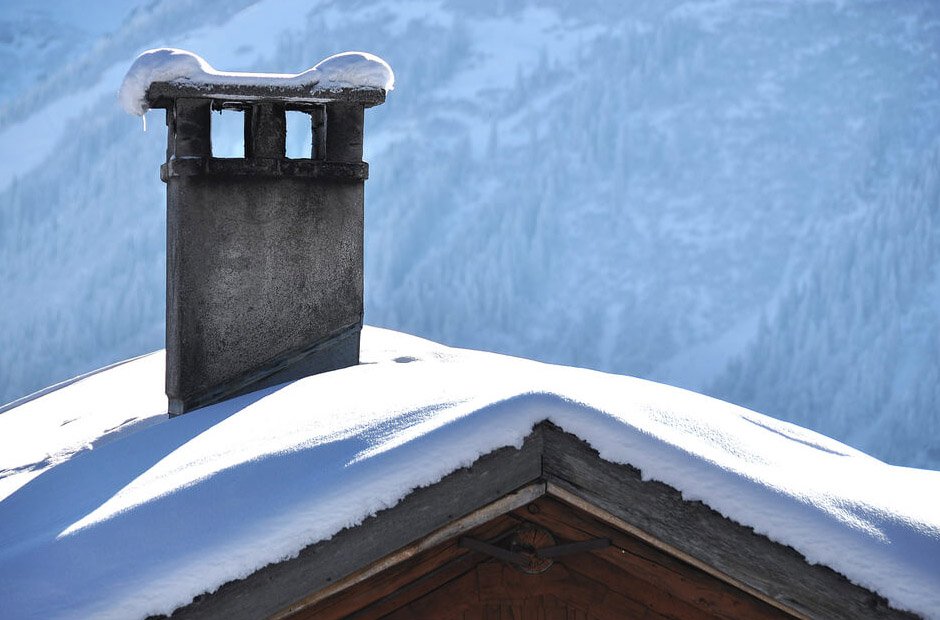
Snowfall accumulation and ice buildup around the roofline or chimney are winter hazards that might go unnoticed until water damage appears inside your home. When snow or ice melts, it can seep through flashing, brickwork, or shingles, entering attics or spaces behind walls. This persistent moisture results in mold growth, wood rot, and even the failure of wall insulation, compromising structural integrity. One of the most effective ways to avoid such issues is to keep gutters clear, inspect roof flashing periodically, and patch any visible cracks before winter.
Increased Risk of Carbon Monoxide Poisoning
During winter, homes are more tightly sealed to keep out the cold, making it even more important to monitor indoor air quality. Poorly maintained chimneys and heating appliances can become blocked or develop leaks that allow carbon monoxide to gather inside the home. Carbon monoxide (CO) is especially dangerous because it is both colorless and odorless. According to the US Centers for Disease Control and Prevention, more than 400 Americans die from accidental CO poisoning each year, many during the winter heating season. Install carbon monoxide detectors on each level of your home, and ensure all heating equipment is cleaned and professionally inspected before cold weather arrives. This simple step can protect your family from a leading wintertime hazard.
Fire Hazards Due to Heating Equipment
The increased use of fireplaces, wood stoves, and space heaters during chilly months significantly elevates fire risk in residential settings. Creosote buildup in chimneys is a common cause of chimney fires, while electrical heaters placed near upholstery or draperies pose ignition risks. The American Red Cross notes a notable jump in residential fires each winter, much of it attributed to unsafe heating practices. Always keep flammable items at least three feet from any heat source, never leave appliances unattended, and ensure wood-burning stoves and fireplaces are regularly serviced to minimize hazards.
Preventive Measures for Homeowners
Proactive maintenance and a keen eye help reduce winter-related damage to both chimneys and homes. Homeowners are encouraged to:
- Schedule annual professional inspections and cleanings of chimneys and heating systems.
- Install carbon monoxide alarms and test them regularly.
- Keep combustible materials away from all heating sources.
- Follow the manufacturer’s instructions for operating all heating equipment.
- Promptly repair any visible cracks, gaps, or damaged masonry to prevent water intrusion and freeze-thaw damage.
Importance of Professional Inspections
Annual or seasonal inspections by certified professionals are crucial for identifying and correcting issues before they become expensive or hazardous. Chimney professionals can detect damaged mortar, remove hazardous creosote deposits, confirm proper venting, and ensure overall structural integrity. The National Fire Protection Association suggests homeowners arrange at least one chimney inspection per year to maintain safety, energy efficiency, and peace of mind throughout the heating season.
Conclusion
Winter weather brings a range of challenges to homes and chimneys, from freeze-thaw cycles that cause cracks in masonry to increased risks of carbon monoxide and house fires. With a solid understanding of these risks and a commitment to proactive care, homeowners can safeguard their families and properties throughout the coldest months. Regular inspections, maintenance, and prompt repairs are key strategies in weathering the winter safely and preserving your home’s value for years to come.