Key Takeaways
- Columns have transitioned from purely structural elements to significant design features in modern architecture.
- Innovations in materials and technology have expanded the possibilities for column design and functionality.
- Contemporary architects continue to reinterpret traditional column forms, creating unique and expressive structures.
Columns stand as timeless pillars of both function and beauty in architecture, their legacy woven into the skyline of every major city. While their origins date back to ancient civilizations, columns have endured and evolved, now serving as both foundational supports and bold design statements in contemporary buildings. Today, home designers and architects utilize a range of materials, from steel to glass and even sustainable timber, to redefine what columns can achieve—and how they visually impact a space. For those seeking to blend traditional beauty with modern performance in home and commercial projects, a quick search of wood columns for sale reveals an array of customizable options that balance history and innovation.
Modern architectural columns have evolved from utilitarian structures to prominent design elements, showcasing the architect’s creativity and reflecting contemporary aesthetics. Advances in design and technology enable innovative forms and functions, blending historical styles with modern techniques such as parametric design and 3D printing. This transformation highlights the column’s dual role in supporting physical structures and conveying the narratives of the spaces they occupy.
The Evolution of Columns in Architecture
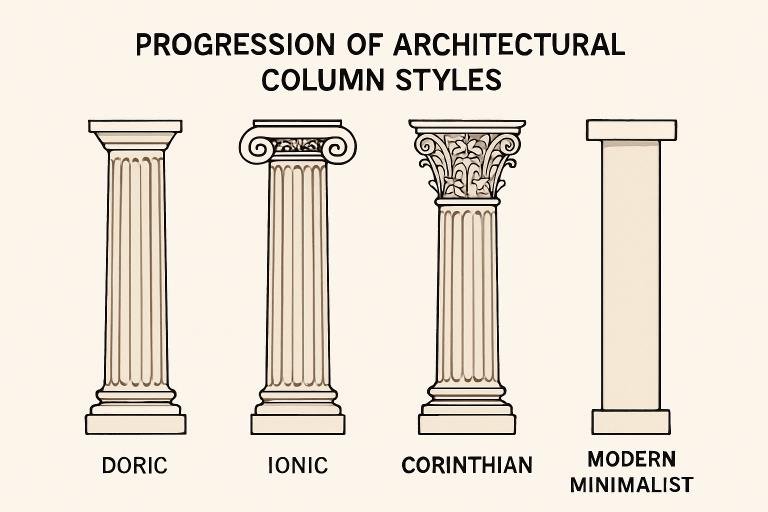
For thousands of years, columns were quintessentially practical, ensuring the stability of temples, forums, and other monumental structures. The Greeks perfected the Doric, Ionic, and Corinthian orders, developing precise rules for proportions and ornamentation. The Romans adapted and expanded upon these traditions, leading to widespread use throughout Europe and beyond. Column placement, size, and decoration communicated status, strength, and cultural ideals.
As architectural styles shifted through time, so too did the role of the column. The Renaissance saw a revival of classical orders, but with fresh interpretations that were often more ornate and personalized. Later, movements like Baroque and Rococo introduced the dramatic Solomonic column, its spiraled shape infusing interiors with a dynamic sense of motion and energy.
Innovative Materials and Techniques
The modern era has brought rapid advances in materials science. Reinforced concrete, steel, glass, and composites have enabled architects to overcome the physical limitations of stone and timber, allowing for thinner, taller, and more expressive columns. In recent years, experimental approaches—like the 3D-printed concrete column showcased at BE-AM 2024—have redefined what a column can be, both aesthetically and technically. This design intentionally exposes its structural core, making it a focal point rather than something to be concealed. Such creative uses of technology align with the broader trend toward transparency and structural honesty in contemporary architecture.
Columns as Aesthetic Statements
Modern columns are as much about visual impact as they are about support. The Baroque revival of the Solomonic column—with its spiraling, elaborate form—demonstrated how columns can inject drama and grandeur into a space. This tradition endures in contemporary projects, where design-conscious architects utilize columns to create rhythm, frame views, or introduce organic curves in otherwise rectilinear buildings. In Bernini’s Baldacchino at St. Peter’s Basilica, for example, columns function as monumental artwork, commanding attention and awe.
Modern Interpretations and Applications
Today’s architects reinterpret classic forms while integrating new priorities, such as sustainability and open-plan living. A striking example is the “Six Columns” house in London’s Crystal Palace, where designer Will Burges used six prominent columns to blend classical geometry with minimalist sensibility. These columns are both structural and sculptural, demonstrating how traditional motifs can anchor avant-garde spaces.
The integration of columns in contemporary homes and public spaces often signals a desire to balance heritage with innovation. Whether used as subtle spacers in vast interiors or as bold, free-standing features in lobbies and gardens, columns continue to be tools of both engineering and artistic expression.
Conclusion
The journey of the column from simple support to statement piece reflects the evolution of architecture itself. No longer relegated to the background, columns are now celebrated for their potential to define, enliven, and transform spaces. Whether rendered in traditional stone or advanced composites, their influence is unmistakable. As materials and techniques continue to advance, the future of columns in architecture promises even more striking and innovative integrations, sustaining their timeless relevance for generations to come.