

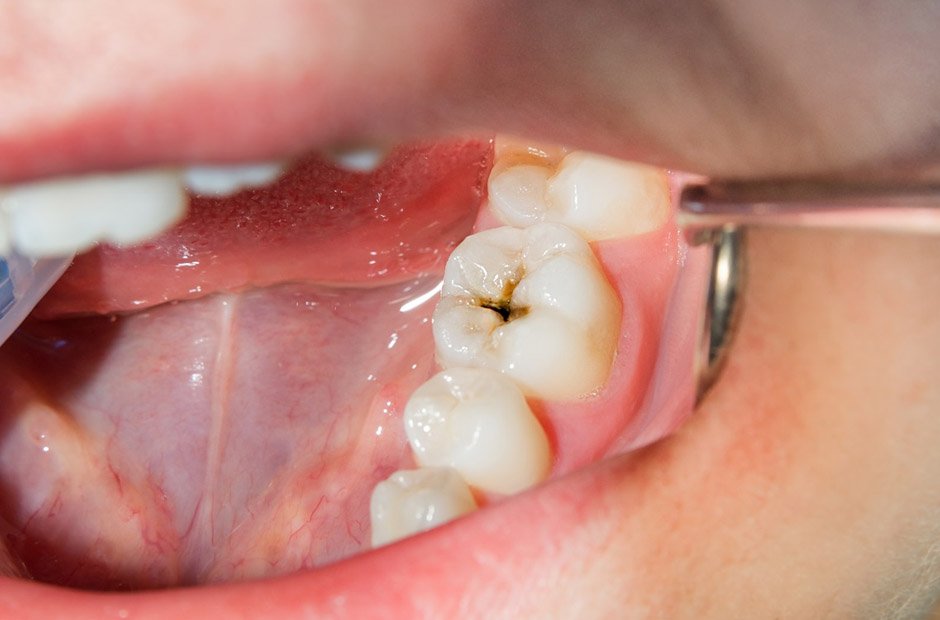
Timely diagnosis and routine preventive care are key to maintaining oral health. Dentists use clinical skills and advanced diagnostic tools to detect issues early before they turn into larger problems. Here are a few ways they identify early signs of tooth decay:
Performing Visual Exams
Clinicians begin with detailed visual examinations during routine visits. A dentist inspects enamel texture, color variations, and structural irregularities. Early decay often appears as white spots or subtle discoloration, small signals that indicate mineral loss beneath the surface.
Magnification devices enhance visibility and precision. Dentists use them to detect hairline fractures, weakened enamel, and other subtle changes. Gumlines receive careful attention, as plaque frequently accumulates in these areas. This methodical evaluation supports thorough preventive treatment planning and verifies that underlying issues are addressed promptly.
Using Computerized Imaging
Computerized imaging methods complement visual examinations, providing a more complete analysis. Digital X-rays reveal cavities forming between teeth or beneath fillings. Experienced dental teams interpret these images, assessing changes that indicate enamel breakdown or other structural concerns. High-resolution images are captured within seconds, allowing providers to evaluate conditions promptly. This efficiency supports earlier interventions and enables less invasive treatments, improving patient care and streamlining clinical decision-making.
Performing Professional Cleanings
Periodic checkups support early diagnosis and preventive care. During these visits, dental teams remove plaque that obscures early signs of decay. Clearing these surfaces exposes enamel, allowing for a more precise evaluation.
Once the teeth are free of buildup, dentists reassess the condition of each tooth, identifying areas that require closer attention, additional monitoring, or follow-up treatment. They also examine surrounding gum tissue for inflammation or other subtle changes that could indicate emerging problems. Dental professionals examine patterns of tartar accumulation, noting areas of persistent buildup.
Heavy or recurring deposits highlight potential oral hygiene challenges, dietary influences, or other lifestyle factors. Teams use these observations to educate patients. Recommendations often include brushing and flossing techniques and targeted preventive routines, along with reminders for regular monitoring; these recommendations are designed to maintain oral health and reduce the risk of future complications over time.
Reviewing Patient History
Clinical assessments include reviewing dietary habits, medical history, and oral care routines. Diets high in sugar or acidic foods often coincide with areas of concern for enamel, while certain medications associated with dry mouth appear as additional factors in evaluations. Dental teams use information from these assessments, including medical histories, to guide the frequency and focus of checkups. Patients with identified risk factors undergo closer monitoring and targeted preventive measures. Evaluations may be followed by fluoride treatments or other standard preventive procedures. This structured approach supports consistent oral health management over time.
Visit a Reliable Dentist
Early diagnosis supports timely dental care. Treatments address developing issues while limiting discomfort, extensive procedures, and structural changes. Contemporary practices often include measures aimed at preserving enamel and maintaining the natural appearance of teeth. Protecting enamel contributes to long-term oral integrity and overall smile health. Look for a professional dental care provider today to learn more about tooth decay prevention.


