Key Takeaways
- Digital signage enhances communication and engagement across various sectors.
- Integration with IoT and AI allows for real-time, data-driven content updates.
- Touchless and interactive technologies are improving user experiences.
- Digital signage contributes to sustainability through energy-efficient technologies.
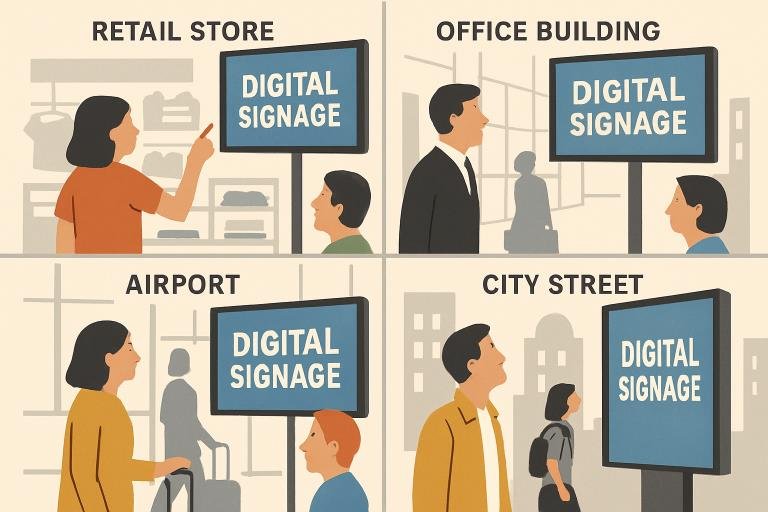
Digital signage is no longer just a modern convenience, it is revolutionizing the way information is shared in both public and private environments. From retail stores and restaurants to airports and office buildings, these versatile displays are shaping how we receive and respond to messages in real time. With applications ranging from interactive product showcases to digital parking signs for improved customer experience, digital signage is creating more engaging and responsive spaces.
The surge in digital signage adoption has empowered businesses and institutions to communicate more efficiently, personalize content, and drive user engagement like never before. By integrating these technologies into everyday settings, companies can foster more dynamic environments and meet the evolving expectations of modern audiences. As people seek immediacy and relevance in the information they consume, digital displays provide a solution that is both flexible and impactful.
The rise of technologies such as the Internet of Things (IoT) and artificial intelligence (AI) has further broadened the capabilities of digital signage. From interactive wayfinding displays in hospitals to contextual advertising in shopping malls, digital signage now responds intelligently to audience demographics and changing external conditions. This shift is enhancing customer satisfaction, boosting efficiencies, and offering new opportunities for creative communication.
Revolutionizing Retail Environments
In retail, digital signage is profoundly changing the customer experience. Where once there were static posters or handwritten signs, there are now vibrant, interactive displays that respond to both individual shoppers and larger foot traffic trends. Advanced AI-driven systems analyze data from sensors and cameras to predict which offers or tutorials will resonate with customers at any given moment. For example, a retail store’s display might shift from a limited-time sale for commuters in the morning to an interactive product demonstration aimed at families visiting later in the day.
These personalized experiences lead to increased sales and higher customer satisfaction. Retailers are also leveraging location-based technologies to drive targeted ads and recommendations while carefully managing privacy concerns. According to the National Retail Federation, retailers using digital signage report better brand recall and improved customer loyalty due to these tailored interactions.
Enhancing Corporate Communication
Inside office buildings and corporate campuses, digital signage has become an essential tool for fostering transparency, collaboration, and a sense of community. Interactive screens in lobbies and break rooms display real-time performance dashboards, company news, and upcoming event reminders, keeping employees informed and engaged throughout the day.
During meetings, digital whiteboards and collaborative touchscreens allow teams to share ideas instantly, annotate presentations, and save notes for follow-up. This efficient flow of information not only boosts morale but also cultivates a more agile workplace culture. Companies leading the way in digital engagement are often more adaptable and able to respond quickly to industry changes, giving them a competitive edge.
Transforming Public Spaces
Across cities, universities, and transportation hubs, digital signage is essential for both wayfinding and public safety. Outdoor LED screens provide important updates about transit schedules, emergency notifications, severe weather warnings, and even live streaming of community events. Art installations and city information kiosks also use digital signage to inject creativity into public spaces and make essential services more accessible.
Energy-efficient, weather-resistant designs ensure longevity and minimal maintenance for signage deployed in high-traffic outdoor areas. Municipalities often turn to digital signage to deliver rapid, accurate information that keeps both residents and visitors informed. This rapid-response capability is invaluable in times of crisis, making digital signage a critical component of public safety.
Advancements in Digital Signage Technology
The fusion of digital signage with IoT platforms and AI has unlocked significant advances in personalization and operational efficiency. In stores, digital shelf-edge displays automatically reflect live pricing and stock levels, updating instantly as inventory changes. Gesture recognition and voice activation technologies are making these displays more accessible, eliminating the need for direct contact and making them ideal in healthcare or high-traffic environments.
Further, cloud-based management platforms now allow businesses to control digital signage networks from anywhere, scheduling or modifying messages in real time. With this flexibility, organizations can roll out updates swiftly across hundreds of screens, ensuring consistency and relevance. As AI-powered analytics become more sophisticated, expect even more refined audience targeting and campaign optimization capabilities.
Sustainability and Energy Efficiency
Modern digital signage is designed with sustainability at its core, leveraging LEDs that deliver superior brightness while consuming far less energy than traditional alternatives. Advances in display hardware have also produced thinner, lighter screens that require fewer raw materials, reducing both production and shipping emissions. Companies are exploring recycled plastics and eco-friendly packaging to further minimize their carbon footprint.
Digital signage also supports digital transformation by eliminating the need for regular printing, cutting paper waste, and saving on associated labor costs. As organizations set ambitious sustainability targets, integrating efficient signage solutions aligns with broader corporate social responsibility goals and can even improve public perception.
The Future of Digital Signage
Looking to the future, digital signage will become even more immersive and indispensable. Augmented reality features and augmented interactive displays promise to blend physical environments with digital experiences. As technology and creativity combine, expect to see everything from real-time translation services to personalized health and safety alerts delivered via digital signage.
Ongoing improvements in AI, connectivity, and display quality will ensure that digital signage can adapt to nearly every environment, delivering information swiftly and clearly. With such versatility and potential, digital signage stands out as a cornerstone of tomorrow’s smart spaces.
In today’s technology-driven world, digital signage has become much more than a visual aid. By continuously adapting to user needs and context, it transforms the everyday environment, making systems more efficient and experiences more memorable.