Modern workplaces are undergoing a steady transformation shaped by technology, shifting employee expectations, and economic pressure. Traditional nine-to-five office routines no longer define how organisations operate. Flexibility, digital connectivity, and a stronger focus on employee experience are setting new standards across industries. Businesses are reassessing how they structure teams, measure productivity, and design policies that support both performance and well-being.
This shift is particularly visible across the UK. Hybrid work has moved from a temporary response to a long-term model. According to the Office for National Statistics, 28% of working adults in Great Britain reported using a hybrid working model in recent data releases. This figure reflects a structural change rather than a short-term trend.
Redefining Where Work Happens
Work is no longer tied to a single physical location. Hybrid and remote models have reshaped how teams collaborate and how leaders manage performance. Office spaces are being redesigned to support purposeful collaboration rather than daily attendance. Employees expect autonomy over where and when they complete their tasks, and many organisations recognise that flexibility supports both engagement and retention.
Shifting work patterns also bring regulatory considerations, particularly as expectations around flexible working continue to evolve. Proposed employment reforms are prompting businesses to reassess contracts and policies. Employers often seek expert guidance to navigate these changes with confidence. HR consultancies such as Avensure provide insight into evolving legislation and employer responsibilities. The Employment Rights Bill Guide from Avensure provides a useful overview of how the proposed changes may impact employers. Flexibility now sits at the centre of workforce planning. Companies that align physical spaces, remote systems, and clear policies create a balanced approach that supports both collaboration and independence.
The Impact of Technology and Tools
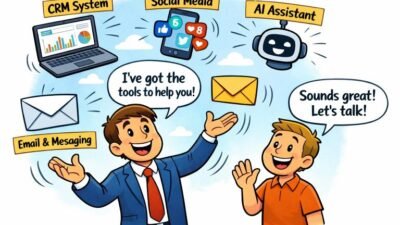
Technology has become the foundation of modern workplace transformation. Cloud platforms, project management systems, and real-time communication tools allow teams to operate efficiently across locations. Seamless digital access enables employees to contribute regardless of geography, reducing dependence on physical proximity.
Automation and artificial intelligence are also influencing operational workflows. Routine tasks are increasingly handled by software solutions, allowing employees to focus on higher-value responsibilities. Data analytics tools help leaders monitor performance trends and make informed decisions with greater accuracy. Digital integration supports agility, which has become essential in a competitive environment.
Employee Experience and Well-Being
Employee expectations have evolved alongside structural and technological change. Work is no longer viewed solely as a source of income. Professionals seek environments that support mental health, personal development, and work-life balance. Employers are responding with policies that encourage flexibility, provide access to support services, and promote healthier workloads.
Well-being initiatives are increasingly integrated into broader talent strategies. Leadership teams recognise that engaged employees are more productive and more likely to remain with the organisation. Transparent communication, manageable performance goals, and access to professional support contribute to a stronger workplace culture. Attention to employee experience also shapes employer reputation. Candidates evaluate organisational values before accepting roles.
Skills, Learning and Career Development
Rapid innovation demands continuous learning. Static skill sets are no longer sufficient in a fast-moving business environment. Organisations are placing greater emphasis on upskilling and reskilling initiatives to ensure employees remain adaptable. Structured training programmes, digital learning platforms, and mentorship opportunities support this objective.
Career progression pathways have also become more transparent. Employees want clarity regarding advancement and skill development. Companies that invest in internal growth opportunities strengthen both loyalty and performance. Professional development conversations now occur regularly rather than annually, reflecting a proactive approach to workforce planning. Learning cultures encourage curiosity and resilience. Teams that adapt quickly to new systems and market shifts maintain a competitive edge.
Diversity, Inclusion and Belonging
Workplace evolution also reflects a deeper commitment to diversity, equity, and inclusion. Organisations increasingly understand that varied perspectives strengthen decision-making and innovation. Inclusive hiring practices, fair pay structures, and transparent promotion criteria contribute to stronger internal cultures. Diverse teams tend to approach challenges with broader insight, which supports creative problem-solving and long-term growth.
Focus has shifted beyond representation alone. Belonging now plays a central role in workplace strategy. Employees want to feel respected, heard, and valued for their contributions. Open communication channels, leadership accountability, and clear anti-discrimination policies create environments where individuals can perform at their best. Inclusive leadership training has become more common as companies work to ensure managers understand how to foster equitable team dynamics.
Leadership in a Shifting Environment
Leadership styles are evolving alongside structural and cultural changes. Traditional oversight models built on physical presence are giving way to trust-based management. Results and accountability now matter more than visibility. Leaders are expected to set clear expectations, communicate transparently, and support autonomy across distributed teams.
Effective leadership in today’s environment requires emotional intelligence and adaptability. Managers must balance performance objectives with empathy, particularly when teams operate remotely or across hybrid schedules. Regular feedback, structured check-ins, and clear performance metrics create stability without micromanagement. This approach builds confidence and strengthens collaboration.
Compliance, Policy Reform and Workplace Regulation
Regulatory frameworks continue to shape workplace evolution. Employment laws are adapting to reflect modern expectations around flexibility, worker protection, and fair treatment. Businesses must regularly review contracts, workplace policies, and operational procedures to ensure alignment with current standards.
Proposed reforms place greater emphasis on transparency and employee rights. Employers are paying closer attention to probation periods, dismissal procedures, and flexible working requests. Clear documentation and structured HR processes reduce legal risk while supporting organisational stability.
Future Trends and What Comes Next
Workplace evolution shows no sign of slowing. Flexible arrangements are likely to become more refined, with organisations tailoring hybrid structures to meet specific operational needs. Digital transformation will continue to accelerate as artificial intelligence and advanced analytics reshape productivity and workforce planning.
Workforce expectations will remain centred on autonomy, growth, and well-being. Employers that maintain open dialogue with employees can adapt policies more effectively. Continuous feedback loops help organisations identify areas for improvement and respond with precision.
Workplaces across today’s business environment are transforming through a combination of flexibility, digital advancement, cultural awareness, and regulatory reform. Hybrid structures have redefined where work happens. Technology enables collaboration without geographic limits. Employee well-being, professional development, and inclusion now stand at the centre of organisational strategy.
Leadership approaches have adapted to support autonomy and accountability. Compliance frameworks continue to evolve, prompting businesses to remain attentive and prepared. Each of these elements connects to a broader theme of resilience and progress.