You step outside for a few minutes, maybe with a cup of tea or just to get some air, and within ten minutes, you are either too hot, too exposed, or heading back inside. The backyard is there, it looks fine from the window, but it does not really hold you for long.
People who spend time around residential design notice this pattern a lot. Outdoor spaces are built, sometimes even decorated, but they are not used the way they were intended. The issue is not always the size or layout. It is often something simpler that gets overlooked early on.
Most Backyards Feel Unfinished
An open backyard might look clean and simple, but it tends to feel incomplete once you try to use it regularly. There is no real boundary, no sense of place, and nothing that makes you stay longer than needed. You sit for a bit, then move back inside without really thinking about it.
This is where the idea of adding overhead structure starts to matter. It is not just about shade or weather protection. It creates a defined area that feels separate from the rest of the yard, almost like a room without walls. Once that shift happens, the space starts behaving differently.
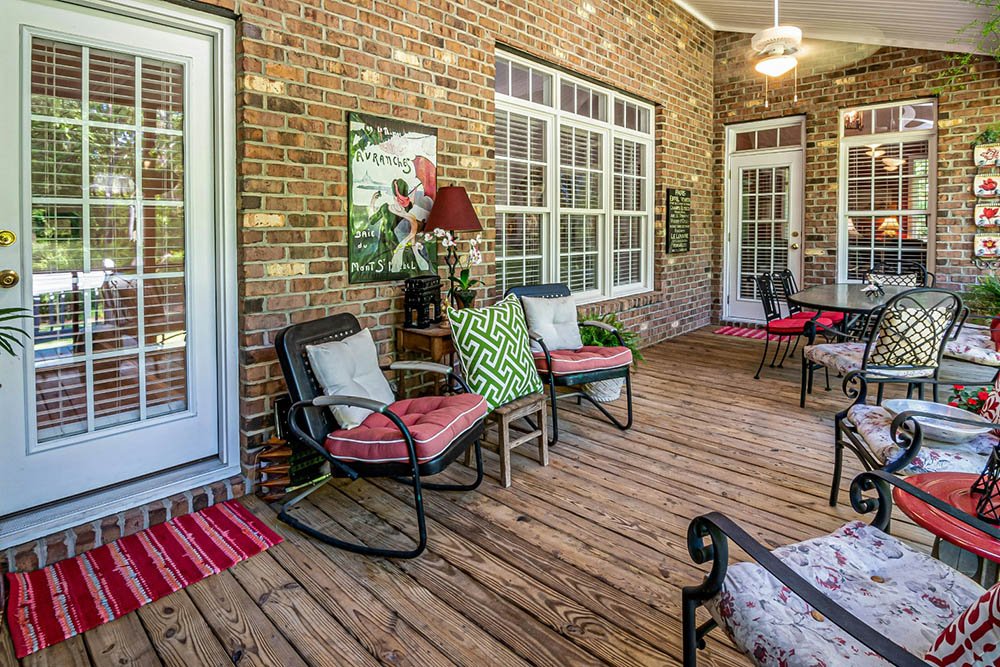
You may not realize it, but patio covers can turn plain backyard into favorite hangout. No matter how much you focus on furniture, lighting, or plants, without some form of cover, the area still depends too much on weather and timing, which limits how often it is used. There is a noticeable shift once coverage is added. It becomes easier to sit outside without constantly adjusting for the sun or sudden weather changes. The space feels more stable, more predictable, and that changes behavior over time.
Consistent Shade That Changes Daily Habits
Shade sounds like a basic benefit, and it is, but the impact is larger than expected. Without shade, outdoor time gets limited to early mornings or late evenings. During the middle of the day, the space becomes uncomfortable, and people avoid it.
Once shade is introduced, that restriction disappears. You can step outside at almost any time without thinking too much about it. This changes small habits first. Sitting longer, eating outside more often, even doing work outside occasionally. It is not a big shift all at once, but it builds over time.
Protect Furniture and Reduce Upkeep
Outdoor furniture is often treated as temporary because it wears out quickly. Sun exposure fades materials, heat weakens them, and unexpected rain causes damage that builds slowly.
With a patio cover in place, that cycle changes. Furniture lasts longer, cushions stay usable, and there is less need to move things in and out constantly. It sounds minor, but reducing that effort makes people more willing to use the space regularly. It also lowers the mental effort. You do not have to plan ahead just to sit outside.
Make Outdoor Spaces Usable During Light Rain
Rain usually clears out any outdoor activity immediately. Even light rain makes a space unusable if there is no protection. This creates a stop-and-start pattern where the backyard is only used when conditions are perfect. A covered area softens that effect. Light rain becomes manageable, sometimes even enjoyable. People stay outside longer, conversations continue, and the space feels less dependent on perfect weather. It does not make the backyard weatherproof, but it reduces how often the weather interrupts use.
Help Define a Clear Purpose for the Space
Open yards often lack a clear function. They exist, but they are not always used with intention. You might have seating, maybe a table, but the space still feels like a leftover area rather than a destination. Adding a cover changes how the space is perceived. It becomes a place for specific activities. Dining, relaxing, and small gatherings. The structure signals that this is where something happens, even if it is just sitting quietly for a while. That sense of purpose makes the space feel more complete.
Support Better Temperature Control Around the Home
There is also a subtle effect on the home itself. When direct sunlight hits windows and exterior walls, indoor temperatures can rise more than expected. This adds pressure on cooling systems, especially during hotter months. A patio cover reduces that exposure. It creates a buffer that keeps some of the heat away from the structure. The result is not dramatic, but it is noticeable over time. Rooms connected to the covered area tend to stay more comfortable, and energy use can shift slightly as a result.
Make Social Use Feel More Natural
People are more likely to gather in spaces that feel stable and comfortable. An uncovered backyard can feel too exposed, especially during peak sun or unpredictable weather. With a cover, the space feels more inviting without needing extra effort. Guests stay longer, conversations stretch out, and the area starts to function more like an extension of the home rather than an outdoor add-on. It is not about making it perfect. It is about making it usable without constant adjustment.
Reduce The Need for Constant Rearranging
Without coverage, outdoor setups tend to shift frequently. Furniture gets moved to avoid the sun, items are brought inside during bad weather, and setups change depending on the day. This creates a kind of instability where the space never fully settles. A patio cover reduces that movement. Things stay where they are placed, and the setup becomes more permanent. That consistency makes the space easier to return to, which increases how often it is used.
The change brought by a patio cover is not dramatic at first glance. The yard looks similar, the layout stays mostly the same, and nothing feels overly transformed. But the way people use the space shifts slowly and then becomes noticeable. What was once a place you passed through starts to become a place you stay in. And that shift, even though it seems small at first, tends to be the difference between a backyard that exists and one that actually gets used.