

Key Takeaways:
- Physical therapy enhances flexibility, strength, and balance, contributing to sustained mobility.
- Regular physical therapy can prevent injuries and manage chronic conditions effectively.
- Incorporating physical therapy into daily routines supports overall health and independence.
The Role of Physical Therapy in Maintaining Mobility
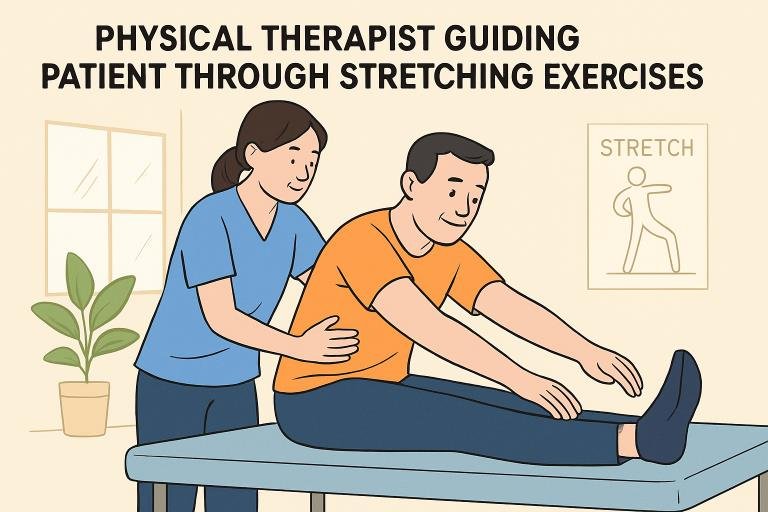
Maintaining mobility is essential for independence, daily function, and overall quality of life. Physical therapy plays a key role in supporting movement by addressing strength, flexibility, balance, and coordination. Through guided exercises and targeted techniques, physical therapy helps individuals recover from injury, manage chronic conditions, and reduce the risk of future mobility limitations. It is often used across different life stages, from post-injury rehabilitation to age-related mobility support, with an emphasis on safe and sustainable movement patterns.
In many communities, physical therapy services are part of broader rehabilitation efforts focused on restoring function and preventing further physical decline. Facilities such as The Houston Spine & Rehabilitation Centers are examples of places where physical therapy is incorporated into structured care plans aimed at improving mobility outcomes. By combining professional assessment with personalized treatment strategies, physical therapy remains a practical approach for maintaining movement, supporting recovery, and promoting long-term physical well-being.
Managing Chronic Conditions with Physical Therapy
Physical therapy is also an essential resource for individuals dealing with chronic conditions such as osteoarthritis, rheumatoid arthritis, or osteoporosis. Customized interventions help ease symptoms, improve functional mobility, and slow the progression of disease. Techniques may include aquatic therapy, manual manipulation, guided stretching, and low-impact strengthening exercises that do not exacerbate joint pain or inflammation.
The use of innovative tools such as virtual reality in musculoskeletal rehabilitation highlights the field’s evolution. In one study, 80% of patients using virtual reality for musculoskeletal rehabilitation reported improvements in mobility and pain relief, demonstrating the effectiveness of modern therapeutic approaches. Also, regular participation in a physical therapy program can help reduce dependence on pain medications and improve overall quality of life for those with chronic health conditions.
Enhancing Balance and Coordination
Maintaining balance and coordination becomes increasingly important as people age, as declines in these areas are a primary cause of falls and related injuries among seniors. Physical therapists introduce exercises designed specifically to optimize balance, stability, and overall coordination. Common routines include tandem walking, single-leg stands, and stability ball exercises, all of which provide a safe and controlled environment for patients to challenge themselves without risking injury.
Developing proprioceptive skills, the body’s sense of its position in space, is a central focus in these programs. With regular practice, individuals often notice a boost in overall steadiness and an ability to execute daily activities, such as walking on uneven surfaces or reaching for objects, with greater confidence and safety.
Incorporating Physical Therapy into Daily Life
Integrating the core components of physical therapy into daily routines ensures sustained long-term improvements in mobility. Small changes, such as stretching before bed, performing seated leg lifts while watching television, or balancing on one foot while brushing teeth, can help reinforce the benefits of formal therapy sessions. Consistency remains key, as incremental improvements add up to significant mobility gains when practiced daily.
Physical therapists can also provide guidance on ergonomic adjustments to home or workplace environments, ensuring that individuals maintain proper posture and avoid unnecessary strain when performing common activities.
Technological Advancements in Physical Therapy
Recent technological advancements have expanded the reach and effectiveness of physical therapy. Wearable devices now allow patients and clinicians to track biomechanical data such as joint angles and step counts, providing valuable feedback and helping tailor treatment programs for optimal results. Virtual reality applications have introduced playful, engaging elements into rehabilitation, increasing motivation and adherence to exercise regimens. Telerehabilitation has created more accessible care options for people who are unable to attend appointments in person by providing real-time supervision and communication between the patient and therapist remotely.
Many of these innovations have not only improved patient outcomes but also increased the enjoyment and engagement in rehabilitation, making it easier for individuals to stay on track with their mobility goals.
Collaborating with Healthcare Professionals
Optimal physical therapy outcomes are often achieved through a team-based approach. Therapists frequently collaborate with primary care doctors, orthopedic surgeons, pain specialists, and occupational therapists to develop comprehensive strategies for improving mobility and overall health. Regular communication among medical professionals ensures that all aspects of a patient’s health are addressed and that treatment plans are both thorough and tailored to the individual’s changing needs.
Coordination of care is especially important for people with complex medical backgrounds, as it reduces the risk of overlapping treatments or exercises that are contraindicated and increases the likelihood of a successful outcome.
Conclusion
Physical therapy stands as a cornerstone of long-term mobility and independence. Through carefully designed exercise regimens, injury prevention techniques, support for managing chronic illnesses, and the integration of cutting-edge technology, physical therapy empowers individuals to optimize movement and remain active as they age. Adopting physical therapy as a consistent part of a personal health regimen not only safeguards current abilities but also paves the way for future resilience and quality of life.


