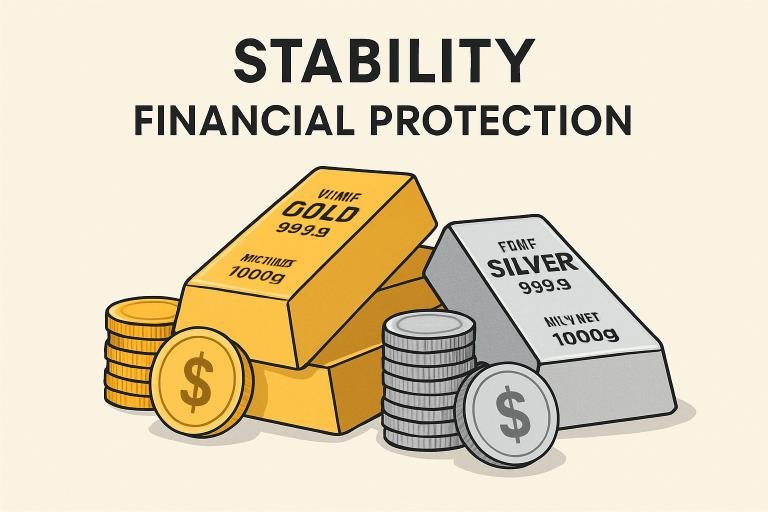
As global economies face ongoing instability and sudden volatility, many investors are searching for ways to protect their assets and ensure long-term financial security. Diversifying with precious metals is one strategy that has stood the test of time. Assets like gold, silver, platinum, and palladium have historically provided a store of value even when traditional stocks and bonds decline. In today’s uncertain landscape, the security and independence offered by precious metals are attracting new attention from individuals and institutions alike. Companies such as Preserve Gold specialize in helping investors navigate options and opportunities in this sector, making it increasingly accessible.
Incorporating precious metals into your financial planning delivers several potential advantages. Not only are they immune to inflationary dangers that threaten fiat currencies, but they also offer a protective layer during extreme market downturns. Technological innovation within the industry is making ownership easier and more transparent. As more investors recognize these benefits, it is important to understand how various factors, from central bank policies to regulatory changes, can influence precious metal markets and what role these assets can play in building a resilient portfolio.
Why Invest in Precious Metals?
Precious metals have played a crucial role in personal and national wealth preservation throughout history. Gold, in particular, is celebrated for its ability to retain value in times of inflation or geopolitical upheaval. Recent years have seen dramatic increases in gold prices, with 2025 setting new records as investors sought stability. According to Reuters, gold’s value spiked due to a combination of inflation fears, currency risks, and large-scale purchases by both retail and institutional participants.
This reliability is also evidenced in silver and platinum, which have slightly different market drivers. Silver’s industrial applications and platinum’s role in the automotive and technology sectors add diversity to a well-rounded precious metal portfolio. These metals often move independently of one another and of traditional stocks, providing investors with additional diversification.
Central Bank Influence on Gold Demand
In recent years, central banks have been major players in the gold market, reversing earlier trends of selling reserves. Central banks in countries such as Poland, Kazakhstan, and China have rapidly expanded their holdings, often to reduce exposure to the U.S. dollar. According to the Financial Times, global central bank net gold purchases reached 634 tonnes in 2025 alone. This sharp uptick underscores gold’s role as a stabilizing force and as a means of managing national risk.
By watching central bank policies, private investors can gain critical insights into macroeconomic trends that may impact gold and other precious metals prices. These purchases not only reflect concerns about the stability of fiat currencies but also drive long-term demand and support gold’s prices worldwide.
Technological Advancements in Precious Metals
Major technological breakthroughs are reshaping the precious metals sector, making investment safer and more verifiable than ever. With advances such as molecular-level tagging now available, investors can confirm the authenticity, origin, and ethical provenance of their holdings. Firms like SMX are leading the way in developing systems that track each gold bar or silver coin from its source through the entire supply chain. This innovation increases transparency, reduces fraud, and fosters greater trust among buyers, sellers, and regulators alike.
These enhancements are also expanding market participation, enabling smaller investors to confidently diversify into physical and digital precious metal products. With added transparency, more investors can capitalize on the advantages of metals without concerns about counterfeit products or opaque jurisdictions. For more on how technology and blockchain are influencing the market, resources like Forbes provide additional insight.
Strategies for Incorporating Precious Metals into Your Portfolio
Strategically including precious metals in your portfolio starts with understanding your investment objectives and risk appetite. A balanced approach often involves allocating 5-10% of your portfolio to precious metals. This can mean holding physical bullion, such as coins or bars, or investing through exchange-traded funds (ETFs) and mining stocks. Each approach carries its own balance of liquidity, storage requirements, and market risk.
Determining Allocation and Investment Form
The ideal allocation can vary widely depending on individual goals, but the most important factor is diversification. Physical metals offer tangible ownership, while paper assets such as ETFs provide exposure without security or storage concerns. Mining stocks, on the other hand, involve company performance risk, though they can offer outsized returns in bullish markets. Consider blending these strategies for broad coverage and manageable risk.
Long-Term vs. Short-Term Approaches
Investment experts suggest making regular purchases over time, a strategy known as dollar-cost averaging, to mitigate price volatility. This steady approach helps shield your entry price from short-term market swings.
Tax Considerations and Legal Aspects
Before moving forward, investors should become familiar with the tax and legal implications of owning precious metals. In many jurisdictions, profits from the sale of physical bullion are considered capital gains and taxed accordingly. U.S. investors, for example, may face collectibles tax rates when selling gold or silver. However, using specialized accounts such as Gold IRAs can defer taxes and provide additional retirement planning advantages. Professional advice is recommended to ensure compliance and optimized tax outcomes. For a comprehensive legal overview, consult IRS guidelines on capital gains and losses.
Final Thoughts
In today’s unpredictable world, precious metals stand out as a time-tested way to stabilize and future-proof personal finances. Their unique characteristics enable investors to hedge against risk, diversify portfolios, and respond to global financial movements. With central banks increasing their reserves, innovative technology adding security, and new investment vehicles emerging, there are more ways than ever to access the benefits of precious metals. By staying informed and seeking professional guidance, investors can enhance their financial resilience for years to come.