

Key Takeaways
- Maintaining your fence preserves property value, security, and curb appeal.
- Different fence materials require specific care, from sealing wood to rust prevention on metal.
- Regular inspections and timely repairs prevent small issues from becoming costly problems.
- Protective coatings and seasonal maintenance extend the lifespan of your fence.
- Professional assistance is valuable for major repairs or when specialized care is needed.
- A well-maintained fence contributes to both functionality and the aesthetic appeal of your property.
Introduction
Keeping your fence in excellent condition is an investment in your property’s value and its functionality. A well-maintained fence not only boosts curb appeal but also provides year-round security and privacy. For homeowners and property managers alike, learning the basics of fence care is the first step toward reducing long-term costs and hassles. Whether you own a wood, vinyl, metal, or chain-link fence, the guidance you’ll find here will help you ensure your fence stands strong through all seasons. For expert tips or to consult a reputable local provider, visit EverFence of Denver.
Fences are exposed to the elements every day, facing challenges like fluctuating temperatures, moisture, pests, and physical wear. Routine maintenance tailored to the fence material is crucial for preventing minor issues from becoming costly repairs. A simple maintenance approach can make all the difference in preserving your fence for years to come.
With proactive care, homeowners can avoid common pitfalls like rot, rust, and structural weakness while ensuring their fences remain attractive additions to the landscape.
Understand Your Fence Material
Each fence material has unique maintenance needs:
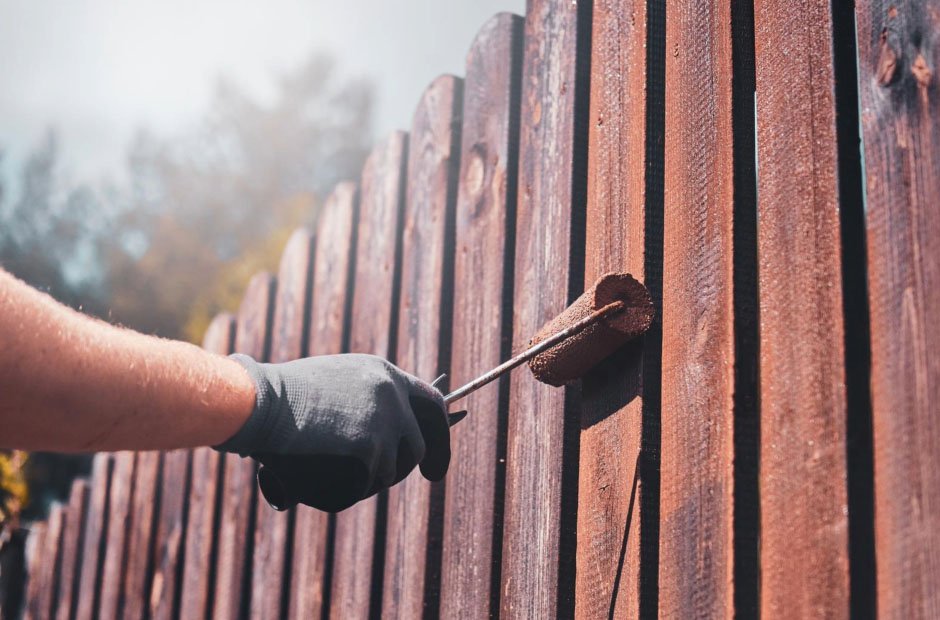
- Wood Fences:Especially vulnerable to rot and insects, wood fences must be sealed or stained every two to three years to withstand weather and pest damage.
- Vinyl Fences:These are popular for being low maintenance, yet regular cleaning is still essential to prevent stains and mold buildup.
- Metal Fences:Typically robust, they can rust and corrode over time. Periodic inspection and rust-preventative treatments are vital.
- Chain-Link Fences:While very durable, chain-link fences can still rust and sag if not properly cared for. Applying a rust-resistant coating and checking for broken links is recommended.
Recognizing the specific vulnerabilities of your fence lets you target your maintenance efforts, preserving its appearance and strength.
Regular Inspections
Inspecting your fence at least twice per year is key to spotting issues before they worsen. Examine your entire fence line for cracks, warps, splinters, and discoloration on wood; mold or fading on vinyl; rust patches on metal; and loose or damaged links and posts on chain-link fences.
- Check for signs of structural weakness, such as leaning posts or wobbly panels.
- Look for insect activity or wood rot in timber fences, especially near the ground.
- Test gates and latches to ensure smooth operation.
Prompt identification and repair of minor problems can prevent further deterioration and costly fixes.
Cleaning Practices
Routine cleaning not only beautifies your fence but also preserves its integrity. The correct approach depends on the material:
- Wood Fences:Wash with mild soap and water, using a soft brush. Avoid powerful pressure washers or harsh chemicals, as they can damage protective sealants.
- Vinyl Fences:A gentle soap-and-water solution works well, paired with a soft cloth or sponge. For mold spots or stubborn stains, white vinegar is effective for scrubbing.
- Metal Fences:Scrub away rust with a wire brush, then apply a rust-inhibiting primer, then finish with metal paint.
- Chain-Link Fences:Spray with a hose to remove dirt and debris. Periodically check for sagging or broken areas.
Clean your fence at least once per year, preferably in spring or fall, to prevent buildup and prolong its service life.
Apply Protective Coatings
Protective treatments form a critical barrier between your fence and environmental hazards. For wood, apply a waterproof sealant or stain every few years to defend against rot and sun damage. Metal fences benefit from a rust-resistant primer and weatherproof paint. Vinyl and chain-link fences can be treated with a light UV protectant to prevent fading, though they generally require less frequent attention.
- Apply coatings on dry days and follow product directions carefully.
- Inspect for bare spots or old, chipped coatings, reapplying as necessary to ensure full protection.
Following these protective steps not only keeps your fence looking new but also extends its lifespan by several years.
Address Repairs Promptly
Small problems such as a loose board, missing fastener, or spot of rust should never be ignored. Quick fixes are almost always simpler and less expensive than larger repairs that may become necessary if damage spreads.
- Replace any boards or pickets showing signs of severe rot or splits.
- Tighten or replace loose fasteners, hinges, and latches to ensure security and function.
- Patching small rust spots on metal or chain-link with a specialty compound can prevent corrosion from spreading.
Investing a little time in prompt repairs preserves the structure and safety of your fence year-round.
Seasonal Maintenance Tips
Fence maintenance needs shift with the seasons. In spring, check for winter damage and reseal wood or treat metal surfaces. During summer, inspect hardware and trim any plant growth around the fence line that could cause staining or pressure on the panels. In the fall, clear away accumulated debris such as leaves, and inspect for moisture damage following seasonal rains. Winter is a time to brush off snow buildup and make sure moving parts like gates remain free and functional.
- Spring:Focus on physical damage assessment and cleaning.
- Summer:Prevent overgrowth and check for hardware looseness.
- Fall:Remove debris and inspect for post-rain rust or mold.
- Winter:Prevent snow accumulation and test gates often.
Adapting your routine for seasonal challenges ensures your fence is well protected against all weather conditions.
Professional Assistance
If your fence develops major problems or you are unsure about the best care methods, do not hesitate to call in professionals. Experienced fence technicians can assess damages, provide targeted treatments, and ensure repairs are done properly to maximize longevity. Expert input can also save you time, reduce risk, and keep your fence looking great for years.
Final Thoughts
Consistent fence maintenance makes a tangible difference, safeguarding beauty, property value, safety, and privacy. By understanding your specific fence material, conducting regular inspections, practicing careful cleaning, applying the right protective coatings, repairing issues promptly, and following seasonal guidance, you will enjoy a fence that endures year after year. Well-cared-for fences do far more than divide spaces; they enhance the overall character and security of your home.


