Key Takeaways
- Understand the different methods available for international money transfers.
- Be aware of the fees, exchange rates, and security measures associated with each method.
- Verify recipient details meticulously to prevent errors and potential fraud.
Transferring money internationally has become a part of everyday life for many, whether you’re assisting family abroad, paying for remote services, or handling business transactions. While convenience has improved thanks to technology, so have the risks and complexities associated with it. To ensure your funds arrive securely and cost-effectively, it’s essential to understand the available options, their associated challenges, and key safety measures. For those looking for new options beyond traditional banking, using USDC, a stablecoin, is gaining popularity due to its reliability and speed.
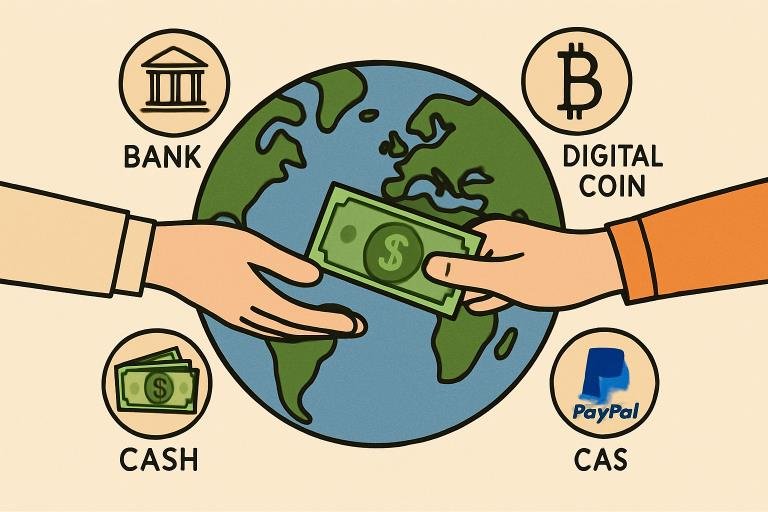
Transferring money across borders comes with no shortage of choices, from time-honored banking routes to digital currencies and online platforms. Each approach carries its own features, costs, and processes. Taking the time to assess fee structures, verify recipient details, and learn about the security measures specific to each method gives you greater peace of mind and can help you avoid costly pitfalls.
Beyond basic security, it’s worth considering which method matches the urgency of your transfer, your comfort level with technology, and the recipient’s access to local financial institutions. Some services are near-instantaneous but technically demanding, while others cater to those who prefer cash or direct bank transfers. Careful evaluation can save you time, money, and stress.
To better understand how laws, regulations, and evolving technology are shaping international money transfer trends, resources like The New York Times’ guide to international money transfer services can offer broader perspectives and expert guidance.
Bank Transfers
Bank transfers, also known as wire transfers, remain a dependable and familiar method for international remittances. This method involves sending funds directly from your bank to the recipient’s bank in another country. Banks utilize secure networks, such as SWIFT, to transfer funds between institutions, and most major banks offer international transfers through their online platforms or in-person services.
Advantages
- Security:Banks invest heavily in secure systems to monitor and protect fund transfers.
- Reliability:The established relationships between banks worldwide reduce the risk of lost or misdirected funds.
Considerations
- Fees:Transfer fees can vary widely and may include hidden costs.
- Processing Time:International bank transfers can take three to five business days to settle.
- Exchange Rates:Banks often offer less competitive exchange rates, so comparing options is advisable.
Before committing to a bank transfer, compare transfer and currency conversion costs, as highlighted by reputable sources like Forbes Advisor’s guide to international wire transfers. Sometimes, online banking apps and neobanks offer better rates and faster service than brick-and-mortar institutions.
Stablecoins
Stablecoins are digital currencies pegged to stable assets, often the US dollar, and offer a modern solution to traditional banking hurdles. By transmitting funds over blockchain networks, stablecoins facilitate faster and usually cheaper cross-border payments compared to legacy systems.
Advantages
- Speed:Transfers are typically completed within minutes, regardless of distance.
- Lower Fees:Transaction costs are generally far lower than with banks or online money transfer companies.
- Transparency:The blockchain provides an immutable public record of all transfers.
Considerations
- Technical Knowledge:Users must be familiar with digital wallets, exchanges, and common stablecoins like USDC.
- Regulatory Environment:The legal acceptance of crypto varies, which can impact the availability and ease of conversion to local currency.
- Security:Although the blockchain itself is secure, users are ultimately responsible for safeguarding their private wallet keys.
If you’re considering using stablecoins, be sure to educate yourself about wallet security, identify regulated exchanges, and understand the cash-out process for the recipient.
PayPal
PayPal is a leader among global digital payment platforms, providing a user-friendly way to transfer money overseas with just an email address. Its widespread acceptance and streamlined interface have made it a trusted method for both personal and small business transactions.
Advantages
- Convenience:A simple setup and intuitive dashboard make sending money straightforward.
- Speed:Transfers are processed rapidly once accounts are linked and verified.
- Buyer Protection:Eligible transactions may be protected, especially for payments for goods and services.
Considerations
- Fees:Charges for currency conversion and international transfers can add up.
- Exchange Rates:PayPal applies its own exchange rates, typically above interbank rates.
- Account Requirements:Both sender and recipient must hold PayPal accounts, which may limit accessibility.
It’s crucial to read PayPal’s fee schedule and exchange rate policies before committing to a transfer. Also, confirm that the recipient’s country is supported, as services may be restricted in certain regions.
Western Union
Western Union has a longstanding presence in the global remittance industry, with extensive retail locations and agent networks in over 200 countries and territories. Their services cater to both tech-savvy users via their app and customers who prefer in-person interactions.
Advantages
- Accessibility:Network branches are available almost everywhere, making cash pick-up easy.
- Speed:Expedited options often deliver funds in minutes.
- Multiple Delivery Options:Recipients may collect cash, receive bank deposits, or sometimes mobile wallet credits.
Considerations
- Fees:Costs can be significant, especially for swift or cash-pickup transfers.
- Exchange Rates:Markups on exchange rates may increase the overall expense.
- Scam Risk:While cash transfers are convenient, they also attract fraudulent schemes. Always verify the recipient’s identity and be cautious of unsolicited transfer requests.
Use extra vigilance when sending money via Western Union or similar services, as scammers sometimes target this speed and cash-out flexibility. For more information on common international transfer scams and how to avoid them, the Federal Trade Commission’s guide is a valuable reference.
Choosing the best international money transfer method depends on your specific needs, whether it’s speed, cost, accessibility, or security. Weighing the pros and cons of each option, staying vigilant for fraud, and staying informed about evolving technology and regulations will help ensure your money reaches its destination quickly and safely.