

Key Takeaways
- Structured routines lead to improved daily function, increased independence, and reduced overwhelm for people with ADHD.
- Regular physical activity and deliberate mindfulness practice help manage symptoms, improve focus, and support emotional well-being.
- Support from professionals and a positive environment fosters long-term resilience and personal growth.
Living with Attention Deficit Hyperactivity Disorder (ADHD) brings distinct and ever-evolving challenges throughout life. Still, with supportive structures, informed strategies, and a compassionate mindset, individuals can not only manage symptoms but also excel in their pursuits. ADHD is a neurodevelopmental disorder that affects both children and adults and influences attention, executive function, impulse control, and emotional regulation. Although navigating daily tasks, sustaining focus, and following through on projects can be more difficult, it is entirely possible to carve out a thriving, fulfilling life at any stage. Whether you are a child adjusting to new school routines, a teenager facing academic and social pressures, or an adult balancing work and personal commitments, integrating focused routines and modern wellness practices into your lifestyle helps build a reliable foundation for success. For those seeking tailored local support and ongoing mental health care, ADHD counselling Vancouver offers professional guidance to address your unique needs and circumstances.
Thriving with ADHD ultimately means more than basic symptom management. It involves discovering practical, sustainable methods to nurture your strengths, build supportive systems, establish adaptable coping mechanisms for daily life, and continually engage with a community that truly understands your journey. This guide not only explores but also expands on actionable techniques and evidence-based recommendations to help individuals and families of any age thrive with ADHD, laying out a roadmap for both short-term relief and long-term growth.
Establishing Structured Routines
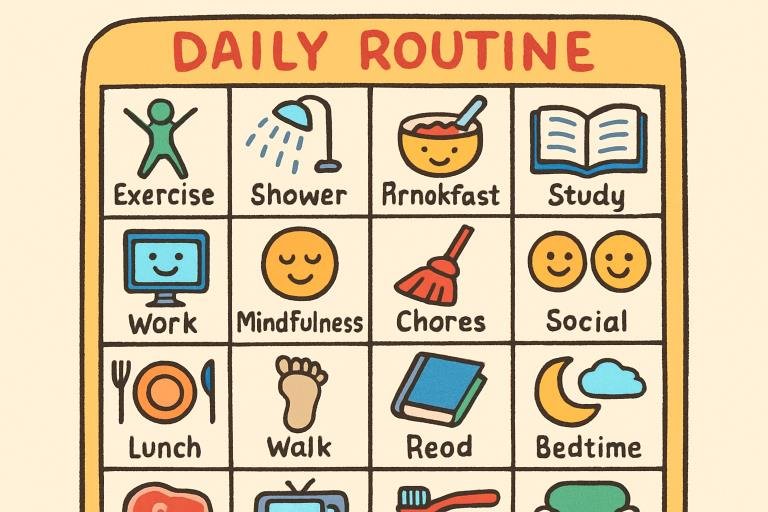
Consistency is a pivotal factor for individuals living with ADHD. Implementing clear, predictable daily and weekly routines can transform how well tasks are managed and completed, reducing the mental clutter that people with ADHD often report. Routines help organize needs such as self-care, meals, exercise, and academic or work responsibilities in a way that minimizes forgetfulness and last-minute stress, common hurdles for both children and adults. For instance, breaking large projects into smaller, more manageable steps enables ongoing progress and prevents feelings of overwhelm or paralysis when tackling big tasks. Utilizing visual schedules on walls or computers, keeping a detailed daily planner, and setting timers or phone reminders further reinforce structure, accountability, and independence. Even small changes like designating specific locations for keys, wallets, and other essentials minimize unnecessary stress and build a sense of confidence and self-efficacy. Parents and caregivers can reinforce these routines by maintaining consistency and providing gentle reminders and flexibility as skills develop.
Incorporating Physical Activity
Engaging in regular, intentional exercise is one of the simplest yet most powerful ways to reduce the severity of ADHD symptoms. Activities such as jogging, cycling, swimming, hiking, dancing, or participating in organized team sports offer a host of physical and psychological benefits for both children and adults. Physical activity promotes general health, reduces the risk of chronic illnesses, and, importantly, increases brain levels of dopamine and norepinephrine. These key neurotransmitters play a vital role in regulating attention, concentration, mood, and impulse control, areas often affected by ADHD.
In addition to routines and exercise, many individuals find that exploring ADHD therapy in conjunction with medical and behavioral interventions is extremely beneficial for developing tools, practicing new coping skills, and managing symptoms or changes over time. Therapy can also help individuals uncover and address underlying emotional patterns, boost self-esteem, and improve social relationships, areas where many people with ADHD seek support.
Practicing Mindfulness and Meditation
Mindfulness practices, such as regular meditation or guided breathing exercises, foster present-moment awareness, making it easier for individuals with ADHD to notice distractions without frustration and gently redirect attention to the task at hand. Practicing mindfulness is not about eliminating distracting thoughts; rather, it encourages a kind and curious recognition of what is happening in the mind and body, allowing for more intentional responses. Techniques such as deep-breathing exercises, short guided meditations, or mindful movement practices like yoga, tai chi, or simple stretching can be included at the start or end of daily routines.
Optimizing the Environment
An organized, distraction-minimized living or working environment can dramatically increase an individual’s capacity for concentration, sustained effort, and successful task completion. Small yet powerful adjustments, such as maintaining a clutter-free workspace or bedroom, using noise-canceling headphones, or blocking distracting digital apps and websites during designated focus periods, make a real difference in productivity and emotional regulation. Environmental cues such as a specific lamp, a tidy desk, or visual color coding can serve as reminders to shift into “focus mode.” It’s also valuable to establish clear physical and behavioral boundaries for work, leisure, and rest, signaling to the brain when it’s time to transition between activities. These adjustments support easier transitions and help make routines more sustainable over time, especially for individuals who may struggle with task-switching or procrastination.
Seeking Professional Support
Professional guidance can make a notable difference for individuals with ADHD, especially those struggling to manage symptoms independently or who experience significant interference in school, work, or relationships. Psychologists, counselors, psychiatrists, and coaches who specialize in ADHD provide not only practical coping strategies but also therapy and, when appropriate, medication management. Treatment plans often include cognitive-behavioral therapy (CBT), skills training, and parent education, all tailored to the person’s particular circumstances and strengths. According to a report in The Guardian, individuals who adopt a comprehensive, individualized approach that includes therapy, lifestyle changes, and ongoing professional support report improved outcomes and greater long-term satisfaction. For some people, thriving also means finding environments where high energy or quick thinking is valued, so seeking expert advice to align work or school settings with individual strengths is essential.
Engaging in Supportive Communities
Building and maintaining connections with people who understand ADHD provides a deep sense of trust, encouragement, and shared wisdom. Support groups available in person, online, or through local chapters of ADHD organizations create spaces where individuals and families can exchange practical strategies, hear diverse experiences, and receive emotional support during challenging times. These communities help reduce the sense of isolation or frustration that often accompanies ADHD and remind individuals that they are not alone on their journey. Participation in these groups can lead to new friendships, exposure to the latest research, and increased advocacy for ADHD awareness at school or in the workplace.
Embracing Individual Strengths
Recognizing, celebrating, and developing one’s unique strengths often unlocks extraordinary potential for individuals with ADHD. Many people with ADHD display extraordinary creativity, adaptability, resourcefulness, innovative problem-solving skills, and the ability to approach challenges from unconventional angles. Emphasizing these traits not only boosts self-esteem but also opens doors to meaningful careers, lasting relationships, and creative pursuits. Parents and educators can help by highlighting strengths and offering opportunities for exploration, while adults can seek out work and social environments that encourage innovation and flexibility. By channeling your strengths into positive outlets, you build resilience and enjoy greater fulfillment.
Final Thoughts
Thriving with ADHD is possible at any age with the right blend of structure, movement, mindfulness, supportive environments, and professional interventions. Consistent application of these strategies allows individuals to leverage their innate abilities, address barriers, and create a personally meaningful and rewarding life path. Regular connections to supportive communities and dedicated professionals help ensure no one needs to face the journey of ADHD alone, providing reassurance and shared growth every step of the way.


