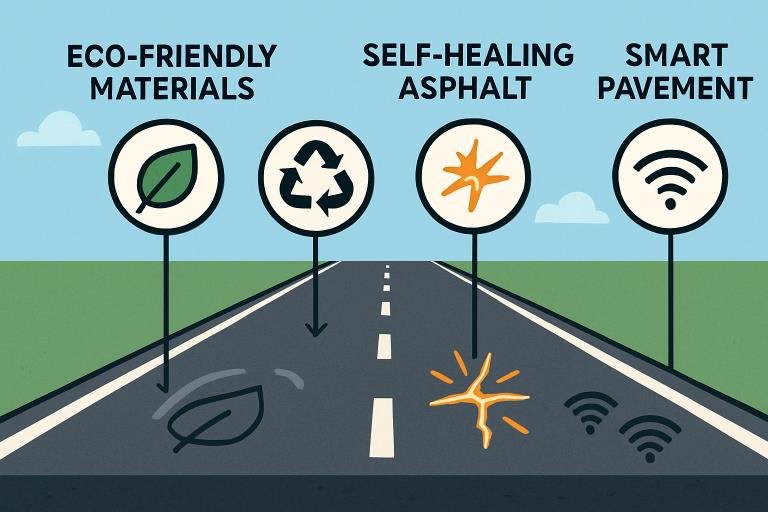
As the construction sector continues to advance, commercial asphalt paving is undergoing notable improvements focused on sustainability, long-term performance, and operational efficiency. New materials and techniques are reshaping how businesses plan and execute infrastructure projects, delivering solutions that are both environmentally responsible and cost-effective. In regions where climate and usage demands are high, such as projects involving Maine asphalt paving, these innovations help create more resilient surfaces that withstand harsh conditions while supporting modern sustainability goals and smarter investment in commercial infrastructure.
For businesses in Maine seeking reliable and innovative paving solutions, Certified Paving Co stands out as a trusted provider. Specializing in commercial asphalt paving, they offer services such as Maine driveway sealing, parking lot construction, private road paving, and campus infrastructure development. Serving various regions across Maine, Certified Paving Co ensures high-quality results tailored to each client’s needs.
Adoption of Warm-Mix Asphalt (WMA)
Warm-Mix Asphalt (WMA) is gaining traction due to its environmental and operational benefits. Unlike traditional hot-mix asphalt, WMA is produced and applied at lower temperatures, reducing energy consumption and greenhouse gas emissions. This method not only conserves resources but also extends the paving season in cooler climates, allowing for more flexible project timelines. Additionally, WMA improves working conditions by minimizing exposure to high temperatures and fumes during application.
Integration of Recycled Materials
Incorporating recycled materials into asphalt mixtures has become an increasingly standard practice in modern paving projects. Recycled Asphalt Pavement (RAP) enables the processing and reuse of old, removed asphalt in new pavement applications, thereby significantly conserving raw materials and reducing landfill waste. Beyond its environmental benefits, research indicates that RAP can match or even improve pavement durability, strength, and performance when properly engineered. This balance of sustainability, cost efficiency, and long-term reliability makes RAP an attractive and responsible solution for commercial and large-scale infrastructure projects.
Development of Self-Healing Asphalt
Self-healing asphalt represents a significant breakthrough in modern pavement engineering, providing a more intelligent approach to infrastructure durability. By embedding microcapsules filled with rejuvenating agents, the material can respond automatically when small cracks develop, releasing compounds that restore flexibility and prevent further deterioration. This self-repairing capability significantly slows the progression of damage, reducing the need for frequent maintenance interventions. As adoption grows, self-healing asphalt is expected to extend roadway lifespans while lowering long-term repair costs for municipalities. Additionally, fewer repair projects mean reduced traffic disruptions, improved safety, and more sustainable infrastructure management for growing urban and transportation networks.
Implementation of Smart Pavement Technologies
The emergence of smart cities has accelerated the development of innovative pavement technology, transforming traditional roadways into intelligent infrastructure. By integrating sensors and IoT devices directly into asphalt, cities can gather real-time insights on traffic volume, vehicle speed, weather impact, and surface conditions. This data enables more intelligent traffic management and supports communication with autonomous and connected vehicles, enhancing overall safety and efficiency. Moreover, embedded sensors can identify early signs of wear, such as small cracks or structural stress, allowing maintenance teams to address issues proactively, reduce disruptions, extend pavement lifespan, and significantly lower long-term repair and operational costs.
Utilization of Bio-Based Additives
Bio-based additives sourced from renewable materials are being increasingly incorporated into asphalt mixtures to enhance both performance and environmental sustainability. These natural additives modify the asphalt binder, enhancing flexibility, durability, and resistance to cracking, which results in longer-lasting pavements and lower maintenance expenses over time. Innovative solutions, such as soy-based asphalt, combine soybean oil with recycled asphalt, offering an eco-friendly and cost-effective alternative to conventional paving materials. By integrating renewable resources, these advancements not only support sustainable construction practices but also contribute to reduced reliance on petroleum-based products while maintaining high-quality road infrastructure.
Advancements in Energy-Harvesting Asphalt
Energy-harvesting asphalt that embeds piezoelectric materials is steadily advancing from research toward real-world deployment. By converting the mechanical stress of passing vehicles into usable electricity, these road surfaces transform everyday traffic into a continuous source of energy. The generated power can support street lighting, traffic sensors, charging stations, and nearby facilities, reducing reliance on traditional grids. Integrating this technology into road infrastructure enables streets to function as active energy assets, rather than passive surfaces, as cities pursue more innovative and greener systems—such innovations position transportation networks as contributors to sustainable ecosystems.
Enhanced Recycling Processes for Asphalt
Advancements in recycling processes are making the use of high percentages of Recycled Asphalt Pavement (RAP) more efficient and practical. Improved rejuvenators and mixing techniques may enable the utilization of 100% RAP in high-stress applications, such as highways. Moreover, closed-loop recycling systems could become the norm, where asphalt is entirely recycled on-site, cutting transportation costs and emissions. This method has the potential to revolutionize asphalt recycling by making it faster, more cost-effective, and environmentally sustainable.
Conclusion
The commercial asphalt paving industry is undergoing a transformative period, embracing innovations that prioritize sustainability, efficiency, and durability. By adopting practices such as Warm-Mix Asphalt, integrating recycled materials, and implementing innovative technologies, businesses can achieve cost-effective and environmentally responsible infrastructure solutions. Staying informed about these trends is essential for companies aiming to lead in the evolving landscape of commercial paving.