In today’s healthcare environment, hospitals face pressure from every side: rising patient expectations, tighter budgets, high turnover of clinicians, and an ever-faster pace of technological change. Patients expect care that is not just safe and effective but also efficient, personalized, and seamless. Hospitals that cling to legacy systems and outdated workflows risk falling behind—both in outcomes and in patient satisfaction. At the same time, those that adopt the right modern solutions unlock the power to elevate care, increase efficiency, improve patient flow, and reduce costs.
This article will highlight key solutions that hospitals should adopt now to raise the bar on patient care.
Advanced Diagnostic Solutions with Nuclear Medicine Integration
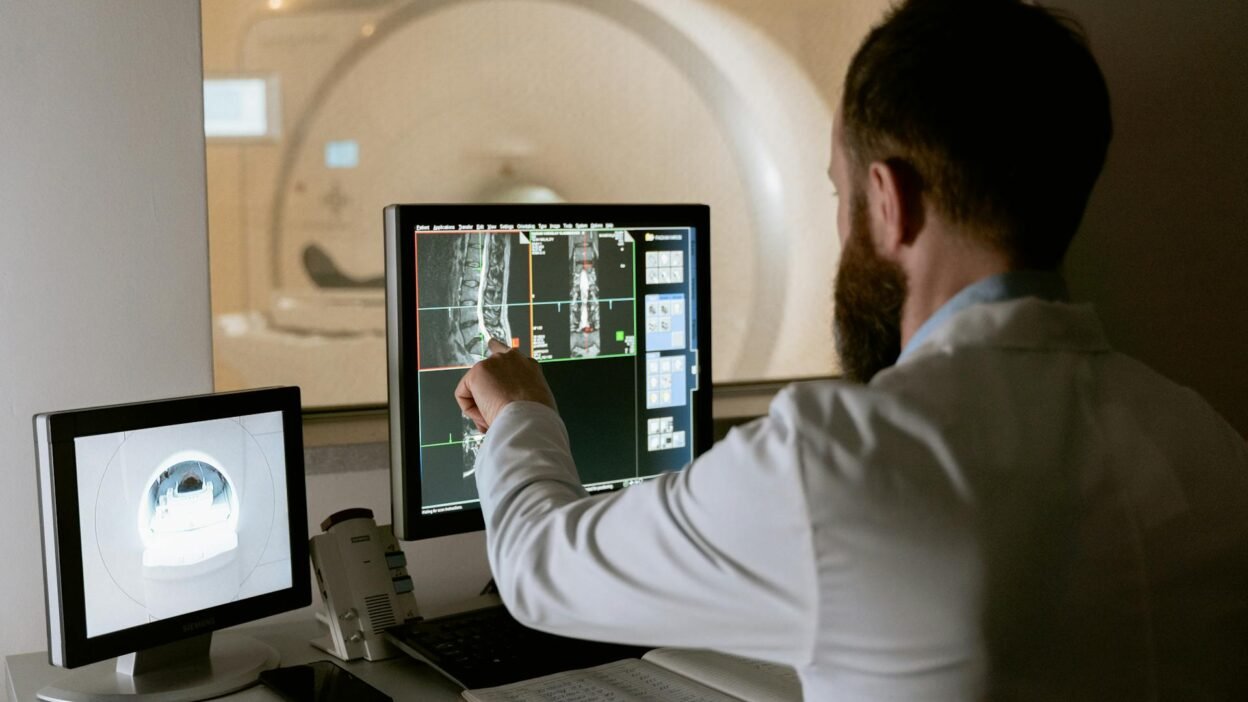
Hospitals need strong diagnostic systems because early detection shapes every step of a patient’s care journey. Nuclear medicine gives clinicians the ability to see how the body functions at a cellular level, which supports faster and more accurate decisions. PET and SPECT imaging help identify disease before structural changes appear, which gives doctors more time to plan the right treatment path.
Many hospitals struggle to launch or expand nuclear medicine services because the process requires equipment, trained staff, and ongoing operational support. This is where partnerships with experts such as Numed Inc. create real value. Numed provides turnkey solutions that include equipment, licensed technologists, management support, and full nuclear medicine department operations. Their team helps hospitals build and run reliable diagnostic services without delays or gaps in expertise. With a strong partner in place, hospitals improve workflow, reduce downtime, and raise diagnostic accuracy.
Electronic Health Record (EHR) Interoperability and Real-Time Analytics
Hospitals create large amounts of clinical data every day. When that data stays locked in separate systems, clinicians lose time and face avoidable risks. EHR interoperability solves this problem by connecting information across departments, specialties, and care teams. A unified system gives clinicians immediate access to a patient’s history, medications, imaging, and lab results. This reduces unnecessary tests, improves communication, and speeds up treatment.
Real-time analytics strengthen this even more. Clinicians can track trends, identify risks, and act on accurate information during the visit, not after. Hospitals that use real-time insights reduce delays, improve care coordination, and create smoother experiences for patients.
Patient Engagement Tools and Mobile Health Platforms
Patients want clear communication and easy access to their health information. Engagement tools create this connection and allow patients to take part in their care. Mobile portals give users the ability to view test results, message their care team, pay bills, and update information. Remote monitoring devices help track conditions at home, which reduces unnecessary in-person visits and improves follow-up care.
Hospitals that offer strong engagement tools see higher satisfaction and better adherence to treatment plans.
Telemedicine and Virtual Care Expansion
Telemedicine has shifted from a convenience to a core part of modern care. Virtual visits help patients access clinicians without traveling or waiting for long in-person appointments. Hospitals that expand telehealth services open the door for better follow-up care, faster triage, and more access for rural communities.
Virtual consultations also reduce exposure risks for patients with weakened immune systems. Hospitals improve patient flow when they shift appropriate visits to virtual platforms. This creates more room for urgent cases and reduces pressure on crowded departments.
Automation of Routine Administrative and Clinical Tasks
Hospitals operate under intense pressure, and even small inefficiencies can slow down entire departments. Automation helps solve this by removing the weight of repetitive tasks. Automated scheduling systems reduce errors and make it easier for patients to find appointments that fit their needs. Digital documentation tools help clinicians complete notes faster and with more accuracy. Automated billing systems reduce claim issues, cut processing time, and make payment workflows smoother for both staff and patients.
When hospitals use automation correctly, the benefits extend far beyond speed. Staff members regain time that they can invest in direct patient care. Clinicians can focus on important decisions rather than clerical work while patients interact with a system that feels more organized.
Robust Cybersecurity and Data Privacy Measures
Modern healthcare relies on technology, but increased digital activity also increases the risk of cyberattacks. Hospitals store sensitive medical information that needs strict protection. Strong cybersecurity measures guard against threats and protect patient trust. Encryption, multi-factor authentication, secure networks, and routine security audits are essential. Staff training matters as much as technology, because many breaches start with simple mistakes like unsafe links or weak passwords.
Hospitals that take cybersecurity seriously build stronger relationships with patients. When people know their information stays safe, they feel more comfortable sharing accurate details about their health. This leads to better care. Strong cybersecurity also prevents operational disruptions that could affect treatments or access to records.
Patient-Centric Facility Design and Workflow Optimization
Great care requires more than good technology. The physical space of a hospital shapes the entire patient experience. Hospitals that design with patients in mind reduce stress, shorten wait times, and improve safety. Clear navigation signs, intuitive layouts, and private waiting areas help patients feel more at ease. Workflow optimization ensures that staff move efficiently, supplies stay stocked, and departments connect without delay.
When patients move through a hospital without confusion or long waiting periods, their confidence increases.
Modern hospitals face growing demands, and strong patient care depends on smart, integrated solutions. Every hospital has the power to elevate patient care, but it requires action, not just intention. These solutions call for commitment, planning, and collaboration. When leaders choose to move forward with clarity and purpose, they set the stage for safer, smarter, and more compassionate care that reflects the true mission of every hospital.