Today’s residential construction landscape is undergoing a remarkable transformation, shaped by a blend of sustainability, technology, and shifting lifestyle expectations. Forward-looking homeowners and industry professionals alike are embracing groundbreaking innovations that enhance comfort, increase efficiency, and futureproof homes. For those considering a remodel or new build, working with experienced builders such as Westside Build ensures the latest approaches and quality standards are seamlessly incorporated into every project.
Alongside improved build quality and functionality, these modern trends also reflect a growing awareness of our environmental impact. Designers and builders are integrating new materials and smart systems to make home environments healthier, more adaptable, and easier to maintain. Collectively, these trends signal a move toward smarter, more conscious living for families of all shapes and sizes.
Sustainable and Biophilic Design
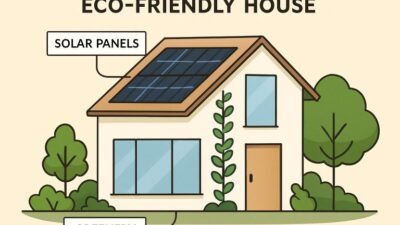
Eco-conscious design is now at the heart of modern homebuilding. Sustainable homes use environmentally responsible materials, such as recycled steel and bamboo, which offer durability as well as aesthetic appeal. Energy efficiency is prioritized through innovations in insulation, triple-glazed windows, and smart orientation to maximize natural light. These choices not only lower utility bills, but they also contribute to a healthier planet.
Biophilic design principles are being woven into floor plans as architects strive to reconnect residents with nature. Features like living green walls, indoor gardens, and expansive windows allow more daylight and cleaner air flow into the home. According to Architectural Digest, this direct integration of nature boosts well-being, productivity, and calm within living spaces.
Smart Home Integration
Smart technology now empowers homeowners with unprecedented control and efficiency. From touchless faucets to intelligent thermostats and lighting, everything can be customized remotely or via voice command. Integrated security systems, appliances, and automated systems not only create convenience, but they also optimize energy use and allow for constant monitoring, even when away from home.
Home automation is no longer a luxury. It is quickly becoming a standard feature in new builds. By leveraging Internet of Things (IoT) devices, homeowners can ensure maximum comfort and security while also collecting data to inform better use of their space.
Modular and Prefabricated Construction
Modular and prefabricated construction methods are changing the way homes are built. Instead of constructing everything onsite, sections or modules are produced in a controlled factory environment. This approach accelerates building time, improves quality control, and reduces onsite labor. Reducing waste is another advantage. The consistent, repetitive processes of factory production generate less scrap than traditional construction, which benefits both budgets and the planet.
These methods also make customization more accessible. For families looking to expand quickly or adapt their space, modular homes offer flexibility while maintaining high standards for durability and safety. According to Forbes, modular construction is expected to become a cornerstone of residential development as the demand for adaptable spaces grows.
Flexible and Multifunctional Spaces
Today’s homeowners often need their spaces to serve many different functions. Open-concept layouts remain popular, promoting both sociability and sight lines, but there is a new emphasis on creating rooms with fluid purposes. Guest rooms double as home offices. Basements become gyms by day and movie lounges by night. The key is customization and built-in storage, which gives every family the ability to evolve their living arrangements as needs change.
More creative applications, like sliding walls, Murphy beds, or convertible furniture, allow small spaces to feel open and accommodate multiple activities without feeling cluttered.
Adaptive Reuse and Renovation
Rather than tear down existing structures, many builders are choosing adaptive reuse. This involves converting older buildings, warehouses, or unused spaces into modern residences. The result is a home rich in character and history, updated with current technologies and amenities. Repurposing also cuts down on building material consumption and landfill waste, an important step toward lowering a project’s carbon footprint.
Historic homes and apartment buildings, in particular, offer opportunities for creative layouts and unique finishes. Skilled renovations strike a balance between preserving charm and increasing livability, often surpassing the comfort levels of new builds while contributing to community revitalization.
Virtual Reality in Design
Virtual reality (VR) offers homeowners the chance to “walk through” a design long before construction starts. Using VR, architects and clients can explore every room, adjust finishes, and even test furniture arrangements. This 3D modeling process minimizes misunderstandings and helps everyone involved make fully informed decisions, which reduces the risk of costly design changes after work begins.
In addition to VR, augmented reality is making its way into construction management, allowing crews and designers to visualize structural systems in real time, onsite.
Robotics in Construction
Automation and robotics are making residential construction more efficient and safer. Robots now handle jobs such as concrete pouring, bricklaying, and painting. Automation improves precision, shortens project timelines, and reduces risk for human workers. This not only leads to cost savings but also enables homes to be built on tight schedules without compromising on quality or safety.
While robotics in construction is still evolving, it is widely regarded as a game-changing development poised to optimize the entire building process.
Conclusion
The evolution of residential construction is driven by sustainability, advances in technology, and the desire for flexible, healthy, and personalized living environments. By adopting these trends, homeowners and builders create homes that are not only beautiful and functional but also well-equipped for changes in lifestyle or future technologies. By working with leaders in the industry, every home can reflect these modern values while providing comfort and peace of mind for years to come.