Key Takeaways
- Transaction coordinators (TCs) streamline real estate transactions, ensuring accuracy, efficiency, and adherence to compliance standards.
- Virtual TCs are driving productivity gains and cost savings in the real estate industry.
- Technological advancements, such as AI and blockchain, are revolutionizing the scope and efficiency of transaction coordination.
- Effective communication, ongoing training, and regulatory vigilance are essential for TCs to deliver optimal results for clients and agents.
In the ever-evolving real estate industry, the stakes are high and timeliness is crucial. TransactionCoordinator.com highlights how transaction coordinators (TCs) have become essential partners in facilitating seamless property transactions. By managing vital administrative duties and ensuring compliance, these professionals free agents from tedious paperwork—empowering them to focus on their core mission: building relationships and driving sales.
Transaction coordinators serve as the backbone for agents and brokerages, leveraging organization, communication, and attention to detail to move deals efficiently from contract to closing. With a wide array of responsibilities—from ensuring the timely completion of legal documents to facilitating cooperation between buyers, sellers, agents, and lenders—TCs are invaluable to any successful real estate transaction.
For agents eager to elevate their client experience while reducing errors and delays, leveraging a specialized service like TransactionCoordinator.com offers a competitive edge in today’s busy property market.
Understanding the Role of a Transaction Coordinator
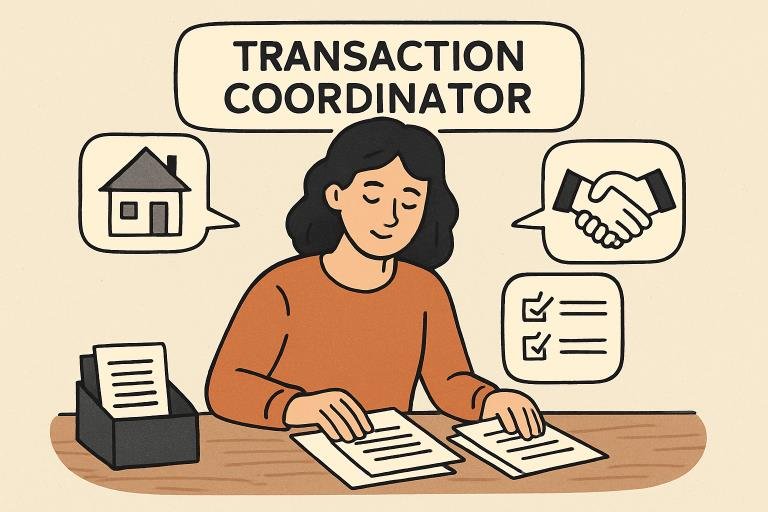
A transaction coordinator is chiefly responsible for overseeing the administrative processes involved in residential and commercial real estate deals. Their expertise streamlines every step along the transaction pipeline:
- Managing and preparing essential paperwork and disclosures
- Tracking and meeting critical deadlines
- Communicating with all transaction parties, from escrow officers and title companies to inspectors and clients
- Maintaining compliance with local, state, and federal regulations
Through these duties, TCs provide both agents and clients peace of mind, enhancing productivity and clarity throughout even the most complex transactions.
According to data from the National Association of Realtors, efficient administrative support is becoming increasingly vital due to the growing number of steps and stakeholders involved in real estate transactions. Transaction coordinators mitigate risk, reduce oversight, and drive better outcomes for all parties.
The Shift Towards Virtual Transaction Coordination
As digital solutions continue to shape the real estate landscape, many brokerages are pivoting towards remote and virtual transaction coordination. This model benefits agents in several ways:
- Higher Productivity:Virtual TCs deliver 4.4% greater productivity, thanks to flexible schedules and less office distraction.
- Reduced Costs:Outsourcing coordination can drive a 70% jump in sales volume while minimizing operational expenses.
- Geographical Reach:Virtual coordination eliminates location barriers, allowing for efficient collaboration across states or time zones.
Adopting this digitally connected approach gives brokerages more bandwidth, increases deal capacity, and supports scalable growth.
Industry commentary from AgentUp highlights a significant shift in agent demand for virtual TC services, citing notable improvements in efficiency and client satisfaction.
Technological Innovations Enhancing Transaction Coordination
The integration of cutting-edge technology has driven a new era of efficiency for transaction coordinators. Notable advancements include:
- Artificial Intelligence (AI):Automates repetitive tasks such as data entry, document checking, and scheduling, reducing errors and expediting turnaround times.
- Blockchain Technology:Facilitates tamper-proof, transparent transaction records—providing heightened security and traceability for sensitive property deals.
- Mobile Apps:Enable real-time workflow management and instant updates, benefiting both agents and clients with timely information and faster response rates.
Thanks to these tools, transaction coordination is now nimble and robust, supporting higher volumes and faster closing cycles.
Enhanced Client Communication and Experience
TCs have expanded their role beyond paperwork to directly engaging with clients. This heightened involvement drives tangible gains:
- Accelerated Closings:With proactive oversight, deals typically close 3 to 5 days faster.
- Increased Client Happiness:Direct, attentive communication from TCs results in an 85% jump in client satisfaction rates.
- More Referrals:55% of brokerages report higher referral rates from past clients when TCs regularly update and support buyers and sellers.
Ultimately, clients feel informed, reassured, and more likely to spread positive word-of-mouth about their agent and brokerage.
Compliance and Risk Management
Staying current with shifting laws and regulations is a fundamental challenge in the real estate industry. The recent FinCEN regulations around all-cash residential deals, for instance, underscore the need for precise documentation and reporting. Transaction coordinators are vital in:
- Reviewing and fulfilling evolving reporting requirements
- Securing verifiable records and signatures
- Minimizing risk exposure related to legal compliance
Ongoing vigilance in compliance not only protects agents and clients but also maintains the integrity of the transaction—and the brokerage’s reputation.
Training and Professional Development for Transaction Coordinators
The demands on TCs grow both in scope and complexity, requiring robust ongoing training. Leading areas for professional development include:
- Adoption and mastery of emerging real estate technology
- Understanding and adhering to legal and ethical standards
- Building advanced communication and negotiation skills
Brokerages that invest in continuous training for their teams report greater efficiency, fewer mistakes, and vastly improved customer satisfaction.
Conclusion
Transaction coordinators play an indispensable role in shaping smooth, compliant, and successful real estate experiences. With the support of advanced technology and a focus on both operational expertise and client communication, TCs ensure every transaction meets—and exceeds—expectations. As the industry grows in complexity and pace, these professionals stand as the trusted solution for agents, brokerages, and clients alike.